

How To Boil Eggs In Ninja Air Fryer [FULL GUIDE]
Recommended Equipments:
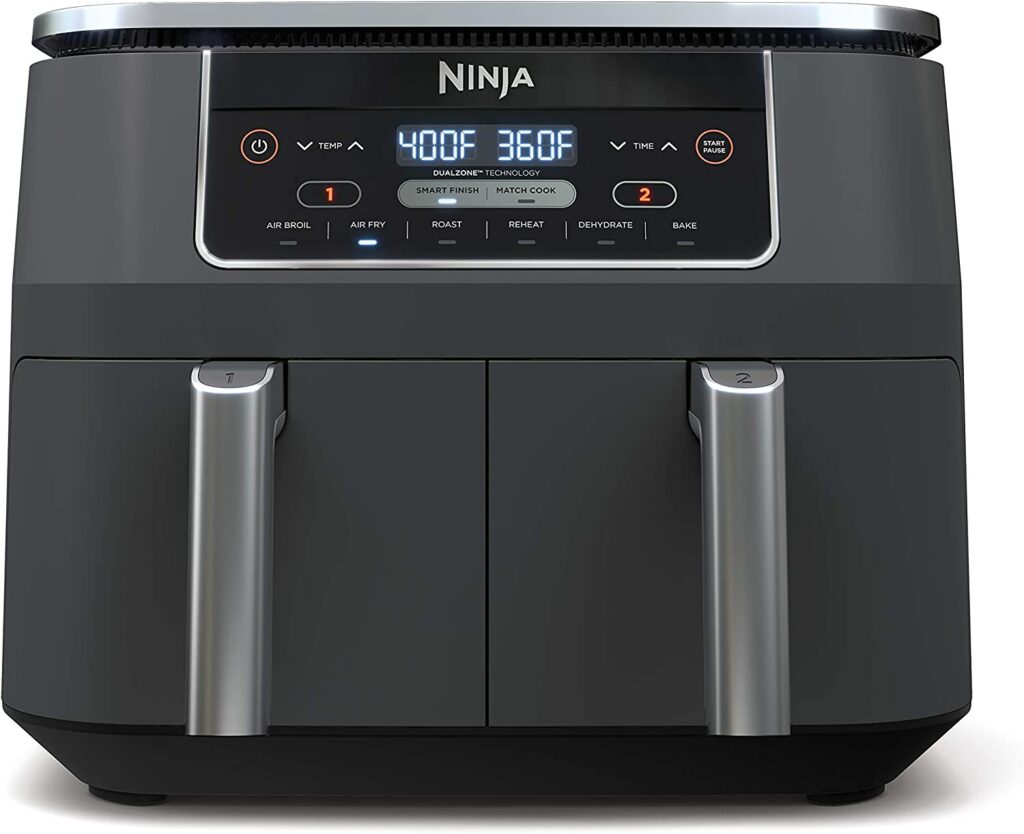
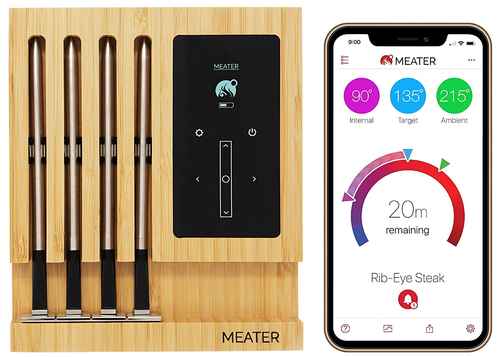
Eggs are a kitchen staple: versatile, nutrient-dense, and quick to prepare. Traditionally, boiling eggs has been a simple process, yet it often comes with inconsistencies-under-cooked centers, overcooked rubbery whites, or that dreaded greenish yolk ring. Enter the Ninja Air Fryer: a kitchen gadget that transforms the way we think about ’boiling’ eggs. By using hot air circulation instead of a pot of water, air fryers offer a precise, hands-off method to cook eggs, producing consistent results with minimal cleanup. This method may feel unconventional, but it is efficient, energy-saving, and surprisingly foolproof once mastered. In this guide, we’ll explore how to perfectly ’boil’ eggs in your Ninja Air Fryer, including ideal temperature, timing, troubleshooting, and expert tips.
Optimal Air Fryer Temperature To Boil Eggs In Ninja Air Fryer
Unlike stovetop boiling, air frying eggs relies on hot circulating air to cook the eggs evenly. For the Ninja Air Fryer, the optimal temperature falls within the 250°F to 270°F range. This temperature allows the eggs to cook gently, avoiding overcooked whites or chalky yolks while ensuring the heat penetrates the shell fully. Some variations in egg size may require slight adjustments; smaller eggs might cook slightly faster, while extra-large eggs might benefit from a few extra minutes. It’s important to remember that unlike water boiling, air fryers don’t create a medium that stabilizes temperature around 212°F. Therefore, setting the correct temperature and monitoring timing is essential to achieve the desired doneness.
How Long To Boil Eggs In Ninja Air Fryer
Timing is crucial in air fryer egg preparation. Typically, the range is as follows:
- Soft-boiled eggs: 9-11 minutes
- Medium-boiled eggs: 12-14 minutes
- Hard-boiled eggs: 15-17 minutes
These times assume the eggs are straight from the refrigerator and the Ninja Air Fryer has been preheated to the desired temperature. Preheating is important because air fryers heat unevenly if started cold, which may result in inconsistent doneness.
Keep in mind that the size of the eggs and their initial temperature will slightly influence cooking times. Adjusting by a minute or two ensures perfect results.
How To Tell If It Is Done
Once the cooking cycle is complete, checking doneness without cracking the eggs is key. Some methods include:
- Spin Test: Place the egg on a flat surface and spin it. Hard-boiled eggs spin smoothly; soft-boiled eggs wobble due to the liquid yolk.
- Cooling & Peel Test: Submerge the eggs in an ice water bath for 5-10 minutes. This stops the cooking process and makes peeling easier. Once cooled, peel one egg to inspect the yolk and white.
- Timer Confidence: With consistent timing and temperature, eggs become highly predictable. After a few successful batches, you may rely solely on timing.
Ingredients Needed
The beauty of this method is its simplicity. You need:
- Fresh eggs (as many as your Ninja Air Fryer basket can comfortably hold)
- Ice (for ice water bath)
- Water (for the ice bath)
No oil, seasoning, or additional ingredients are required, although you may salt or season after cooking if desired.
How To Boil Eggs In Ninja Air Fryer
- Preheat the Air Fryer: Set your Ninja Air Fryer to 260°F. Preheating ensures even cooking.
- Place Eggs in Basket: Arrange eggs in a single layer without overcrowding.
- Air Fry: Cook according to your preferred doneness: 9-11 minutes for soft, 12-14 minutes for medium, or 15-17 minutes for hard.
- Ice Bath: Immediately transfer eggs to a bowl of ice water for 5-10 minutes. This halts cooking and prevents overdone yolks.
- Peel & Serve: Gently tap eggs on a hard surface and peel. Serve immediately or store in the fridge.
What If I Use A Different Air Fryer Temperature?
Altering the air fryer temperature will affect cooking times and egg texture.
- Lower Temperatures (<250°F): The eggs may cook more slowly and unevenly, leading to soft whites or partially set yolks. You would need to increase cooking time to compensate.
- Higher Temperatures (>270°F): While faster, higher heat can cause cracks in the shells and rubbery whites with dry yolks. Careful monitoring is necessary if experimenting.
What If I Use A Different Air Fryer Cooking Time?
Time adjustments directly impact egg consistency:
- Shorter Time: Results in softer yolks or slightly undercooked whites. Good for soft-boiled eggs but risky for medium or hard-boiled preferences.
- Longer Time: Produces fully set yolks and firmer whites but risks overcooking, leading to a grayish yolk ring and chalky texture.
Always pair time adjustments with the right temperature to avoid undesired results.
When Things Go Wrong
Even with air fryers, mistakes happen:
- Cracked Eggs: Often due to overcrowding or sudden temperature changes. Ensure eggs aren’t touching and the basket isn’t overloaded.
- Undercooked Yolks: Usually from cooking too briefly or uneven heat. Increase time incrementally in 1-2 minute intervals.
- Rubbery Whites or Overcooked Yolks: Caused by excessive cooking or high temperatures. Reduce temperature slightly or shorten cooking duration next attempt.
Keeping an ice water bath ready is a foolproof way to prevent carryover cooking from turning eggs overdone.
Expert Tips
- Preheat Every Time: Preheating ensures consistent results.
- Single Layer: Overlapping eggs may cook unevenly.
- Ice Bath is Essential: Stops residual heat and eases peeling.
- Mark Doneness: If cooking multiple batches, mark your eggs (soft, medium, hard) to prevent confusion.
- Room Temperature Eggs: For perfectly soft-boiled eggs, let refrigerated eggs sit at room temperature for 10-15 minutes before cooking to reduce cracking.
FAQs
Can You Boil Eggs In A Ninja Air Fryer?
Yes, you can cook eggs in a Ninja air fryer using the air fryer basket or tray. The process is often referred to as ’air frying’ or ’hard cooking’ eggs rather than traditional boiling, as it uses hot air instead of water.
How Long Does It Take To Cook Hard-boiled Eggs In A Ninja Air Fryer?
For hard-boiled eggs, preheat the Ninja air fryer to 270°F (130°C) and cook the eggs for about 15-17 minutes, depending on their size and desired yolk consistency. After cooking, transfer the eggs immediately to an ice bath for 5-10 minutes to stop the cooking process.
Do I Need To Add Water To Cook Eggs In The Ninja Air Fryer?
No, you do not need to add water. Unlike traditional boiling, the Ninja air fryer cooks eggs with hot circulating air, which removes the need for water.
Should I Preheat The Air Fryer Before Cooking Eggs?
Yes, preheating ensures even cooking. Preheat your Ninja air fryer for 3-5 minutes at the desired temperature before placing the eggs inside.
How Can I Make Soft-boiled Eggs In A Ninja Air Fryer?
For soft-boiled eggs, set the air fryer to 270°F (130°C) and cook the eggs for 9-11 minutes. After cooking, place them in an ice bath for a few minutes to stop the cooking and make peeling easier.
Do Eggs Crack In The Air Fryer?
Eggs may crack if they touch each other or the basket too forcefully, or if the air fryer is overcrowded. Using a single layer and allowing space between eggs reduces the risk of cracking.
How Do I Peel Eggs Cooked In A Ninja Air Fryer?
After cooking, immediately transfer the eggs to an ice bath for 5-10 minutes. Tap gently on a hard surface and roll to crack the shell before peeling. The ice bath helps separate the membrane from the egg, making peeling easier.