
How To Dehydrate Tomatoes In Ninja Air Fryer [FULL GUIDE]
Recommended Equipments:
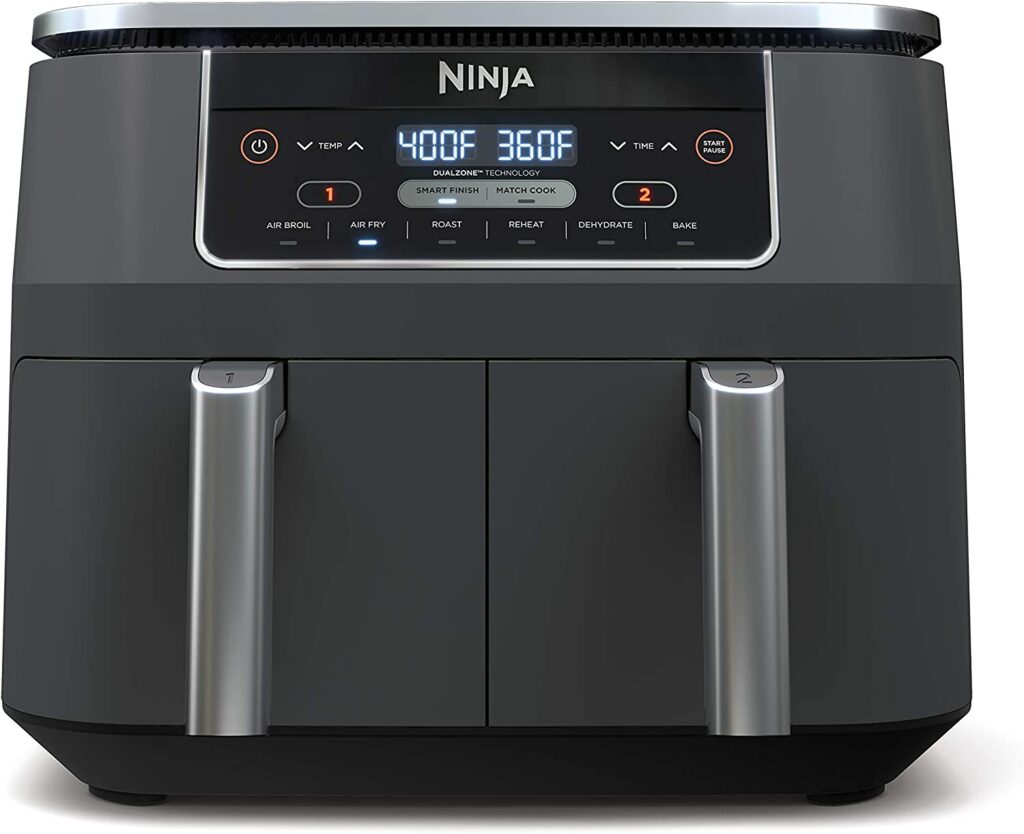

Dehydrating tomatoes is an art as much as it is a science, transforming juicy, plump fruits into concentrated, flavorful morsels that can elevate any dish-from pastas to soups, sauces, or even as a snack on their own. While traditional methods of dehydration, such as oven drying or sun-drying, require hours and careful monitoring, the Ninja Air Fryer offers a revolutionary alternative. It combines consistent heat circulation with precision temperature control, allowing home cooks to dehydrate tomatoes quickly and efficiently without sacrificing flavor or nutritional value. Understanding the process in depth ensures that you preserve the natural sweetness and tang of tomatoes while achieving that ideal chewy, slightly leathery texture.
Optimal Air Fryer Temperature To Dehydrate Tomatoes In Ninja Air Fryer
Temperature is the linchpin of successful dehydration. For tomatoes, the optimal temperature in a Ninja Air Fryer is 135°F to 145°F (57°C to 63°C). At this range, water content evaporates slowly and evenly, preventing the exterior from hardening prematurely while the interior remains moist. Temperatures higher than this risk cooking the tomatoes rather than dehydrating them, which can lead to uneven drying, burnt edges, or a loss of delicate flavors. On the other hand, temperatures lower than 130°F may extend the dehydration process excessively, making the fruit susceptible to spoilage before achieving the desired dryness.
How Long To Dehydrate Tomatoes In Ninja Air Fryer
The duration for dehydrating tomatoes depends on their size, thickness, and water content. Generally, thinly sliced tomatoes (around ¼ inch thick) take 6 to 10 hours at the optimal temperature. Cherry tomatoes, halved, may take 4 to 8 hours, depending on their juiciness. Consistent checking after the first 4-5 hours is recommended. Since air fryers circulate hot air differently from traditional dehydrators, keeping slices evenly spaced ensures uniform dehydration. Rotating the trays periodically can further help avoid uneven drying.
How To Tell If It Is Done
Determining when tomatoes are properly dehydrated requires both visual and tactile cues:
- Visual: The tomatoes should appear shriveled and slightly leathery, with no visible moisture or wet spots. They may have a darker, concentrated color.
- Tactile: When pressed gently, they should be pliable yet firm, not sticky or squishy. Fully dehydrated tomatoes snap when broken into smaller pieces but should not crumble into dust.
- Consistency: If you intend to store them for long-term use, ensure there is no residual moisture, as it can cause mold growth during storage.
Ingredients Needed
Dehydrating tomatoes is surprisingly simple, requiring minimal ingredients:
- Fresh, ripe tomatoes (Roma, cherry, or any firm variety work best)
- Optional: salt (to taste, enhances flavor and can help draw moisture)
- Optional: olive oil or herbs (for flavoring, if you intend to use them in cooking immediately after dehydration)
No additional ingredients are required for pure dehydration; the process is about concentrating the natural flavors of the tomato.
How To Dehydrate Tomatoes In Ninja Air Fryer
- Prepare the Tomatoes: Wash thoroughly and remove the stems. Slice them uniformly to ensure even drying. Roma tomatoes can be cut lengthwise; cherry tomatoes can be halved.
- Optional Seasoning: Lightly sprinkle with salt if desired.
- Arrange in Air Fryer: Place slices in a single layer on the air fryer tray or dehydrator racks. Avoid overlapping.
- Set Temperature: Adjust the Ninja Air Fryer to 135°F-145°F (57°C-63°C).
- Dehydrate: Run the air fryer for the recommended time (6-10 hours for slices, 4-8 for cherry halves). Check periodically for progress.
- Cool and Store: Allow the tomatoes to cool completely before storing them in airtight containers. For long-term storage, vacuum sealing or refrigeration is recommended.
What If I Use A Different Air Fryer Temperature?
Using a temperature higher than recommended (150°F-160°F or more) may speed up dehydration, but it risks uneven drying, burnt edges, and loss of flavor. Conversely, lower temperatures (<130°F) prolong the process, increasing the chance for microbial growth before the tomatoes are fully dried. If you must adjust, always monitor frequently and test a slice for moisture content.
What If I Use A Different Air Fryer Cooking Time?
Shortening the time may result in partially dehydrated tomatoes, which can spoil quickly if stored. Extending the time slightly is safer, but excessive time can dry them out too much, making them brittle rather than chewy. Regularly testing the texture is crucial to avoid under- or over-drying.
When Things Go Wrong
Common issues and solutions include:
- Uneven drying: Rotate trays and ensure slices are uniform in size.
- Sticky tomatoes: Slice thinner or extend dehydration time; check air circulation.
- Burnt edges: Lower temperature and increase dehydration time.
- Mold growth during storage: Ensure tomatoes are fully dehydrated and stored in airtight containers in a cool, dry place.
Expert Tips
- Uniform slicing: Use a mandoline for consistent thickness.
- Pre-salting: Enhances flavor and helps moisture draw out faster.
- Spacing: Keep slices slightly apart; overcrowding prevents even air circulation.
- Check halfway: Flip or rotate trays for consistent drying.
- Storage: For long-term use, store dehydrated tomatoes in a vacuum-sealed bag or airtight jar with silica packets to absorb any residual moisture.
- Rehydrating: For cooking, soak in warm water for 20-30 minutes until plump.
FAQs
What Type Of Tomatoes Are Best For Dehydrating In A Ninja Air Fryer?
Firm, ripe tomatoes such as Roma, plum, or cherry tomatoes are ideal for dehydrating. They have lower water content compared to larger, juicier varieties, which helps them dry evenly and prevents sogginess.
Do I Need To Slice The Tomatoes Before Dehydrating?
Yes, slicing tomatoes into uniform pieces, typically 1/4 to 1/2 inch thick, ensures even dehydration. Smaller tomatoes like cherry tomatoes can be halved or quartered. Removing seeds is optional but can reduce drying time and improve texture.
Should I Season Tomatoes Before Dehydrating In The Air Fryer?
Seasoning is optional. A light sprinkle of salt can help draw out moisture and enhance flavor, while herbs like oregano or basil can be added for additional taste. Avoid adding liquids or oil, as they can interfere with the dehydration process.
What Temperature And Time Should I Use To Dehydrate Tomatoes In A Ninja Air Fryer?
Set the air fryer to a low temperature, usually around 120-135°F (50-57°C). Dehydration can take 6-12 hours depending on tomato size, thickness, and moisture content. Check periodically for dryness, ensuring the tomatoes are leathery and pliable but not sticky.
Do I Need To Use The Air Fryer Basket Or A Dehydrator Tray?
Use the air fryer basket or any perforated tray that allows airflow around the tomatoes. Avoid overcrowding the pieces, as good air circulation is crucial for even drying. If necessary, dehydrate in batches.
How Can I Store Dehydrated Tomatoes After Using The Ninja Air Fryer?
Once fully dehydrated, allow tomatoes to cool completely, then store them in airtight containers or vacuum-sealed bags. Keep them in a cool, dry place away from sunlight. Properly stored, they can last 6-12 months. For longer storage, refrigeration or freezing is recommended.
Can I Rehydrate The Dried Tomatoes For Cooking Later?
Yes, dehydrated tomatoes can be rehydrated by soaking them in warm water for 20-30 minutes, or in broth for added flavor. They can then be used in sauces, soups, stews, or salads, although some prefer to use them directly in dishes for concentrated flavor.