How To Make Cooked Wings Crispy In Air Fryer [FULL GUIDE]
Recommended Equipments:
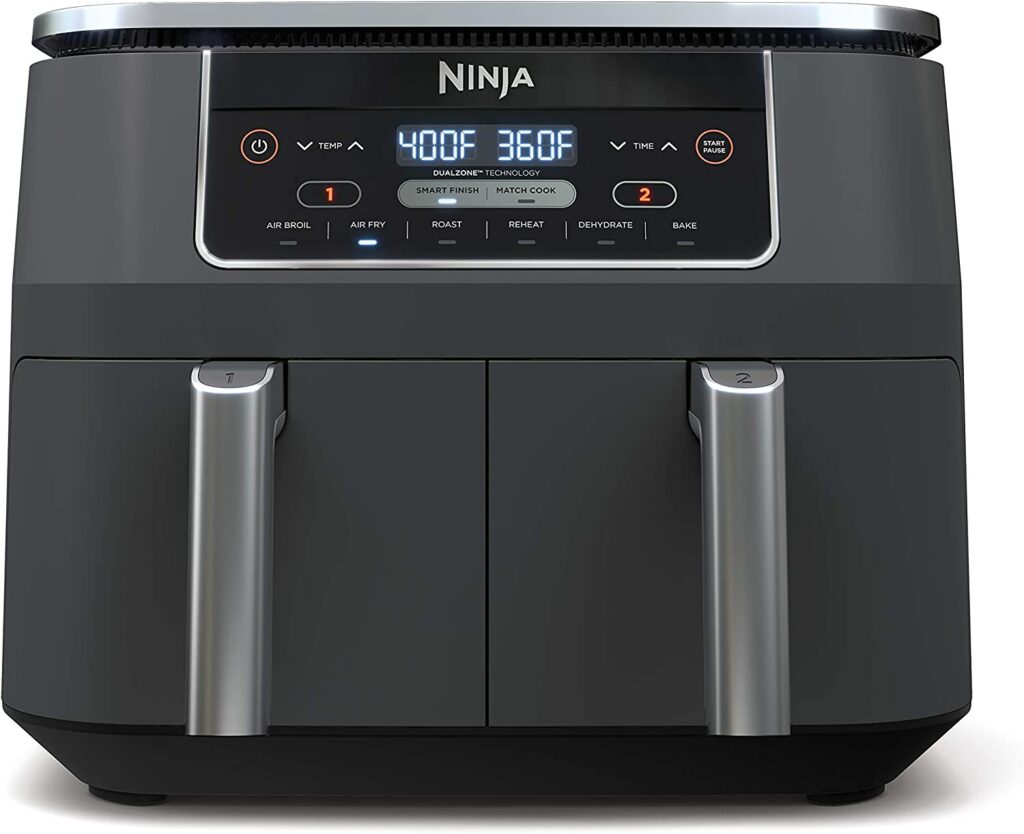
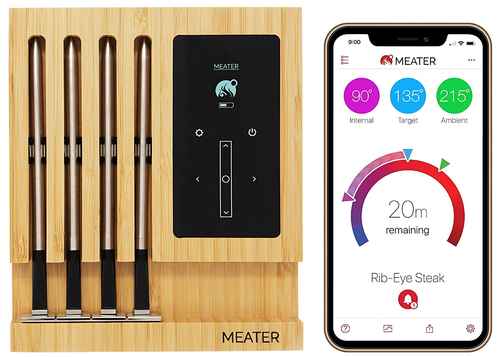
Few culinary experiences rival biting into a perfectly crispy chicken wing. The juxtaposition of the crunchy exterior with the tender, juicy interior is a textural symphony that has made wings a universal favorite. However, achieving that elusive crispiness can be challenging, especially when working with pre-cooked wings. Enter the air fryer: a modern kitchen marvel that uses rapid air circulation to crisp foods to perfection without the need for deep frying. Reheating cooked wings in an air fryer is not simply a matter of heating; it’s a careful balance of temperature, timing, and technique. By mastering these factors, you can transform even leftover wings into golden, irresistible bites.
Optimal Air Fryer Temperature To Make Cooked Wings Crispy In Air Fryer
Temperature is the key to achieving the perfect crisp. For cooked wings, the ideal range typically lies between 375°F and 400°F (190°C-204°C). At this temperature, the exterior of the wing quickly dries and crisps without overcooking the already cooked meat inside.
- 375°F (190°C): Provides a more controlled reheating process, reducing the risk of drying out the meat. Perfect for wings that are slightly sauced or sticky, as the slower heat allows the sauce to set without burning.
- 400°F (204°C): Offers a faster, more intense crisp. Ideal for wings that are plain or lightly seasoned. This temperature rapidly browns the skin, enhancing texture and flavor.
Avoid temperatures higher than 400°F for reheating, as wings can quickly become tough and dry due to the already-cooked interior.
How Long To Make Cooked Wings Crispy In Air Fryer
Timing is just as crucial as temperature. The wings’ size, whether they are bone-in or boneless, and whether they are sauced all influence cooking time.
- General guideline: 5-8 minutes at 375-400°F (190-204°C).
- Bone-in wings: Tend to require slightly longer, closer to 8 minutes, because heat must penetrate around the bone.
- Boneless wings: Crisp faster, usually ready in 5-6 minutes.
- Sauced wings: If heavily coated, aim for the lower end of the temperature range and check often to prevent caramelization from turning bitter.
Always shake or flip the wings halfway through cooking to ensure even crisping on all sides.
How To Tell If It Is Done
Visual and tactile cues are essential. Wings are done when:
- Exterior is golden-brown and crispy: Look for a firm, textured skin that springs back slightly when pressed.
- Internal temperature: Though already cooked, reheated wings should reach 165°F (74°C) internally to ensure warmth throughout.
- Sauce adherence: For sauced wings, the coating should cling lightly without dripping excessively.
Resist the urge to rely solely on time-wing sizes and air fryer models vary, and visual confirmation is the most reliable indicator.
Ingredients Needed
Minimal ingredients are required for crispy reheated wings:
- Cooked chicken wings (bone-in or boneless)
- Cooking spray or a light brush of oil (optional, enhances crispiness)
- Optional seasonings: salt, pepper, garlic powder, smoked paprika
- Optional sauce for tossing after reheating
The key is that pre-cooked wings already contain flavor, so the focus is on texture rather than seasoning.
How To Make Cooked Wings Crispy In Air Fryer
- Preheat the air fryer: Set to 375-400°F (190-204°C). Preheating ensures instant crisping upon contact.
- Prepare the wings: Pat wings dry with a paper towel to remove excess moisture. Lightly coat with oil or cooking spray if desired.
- Arrange wings: Place in a single layer in the air fryer basket, leaving space for air circulation. Avoid overcrowding.
- Cook: Air fry for 5-8 minutes, flipping halfway through.
- Check doneness: Confirm crispiness and internal temperature.
- Optional finishing: Toss in your favorite sauce or seasoning immediately after removing from the fryer to enhance flavor while maintaining crispness.
What If I Use A Different Air Fryer Temperature?
- Lower than 375°F: Wings will warm but may not crisp sufficiently, leading to a soft or slightly soggy exterior.
-
Higher than 400°F: Skin may burn before the inside is heated, resulting in a bitter flavor and dry meat.
Adjustments should be minor; it’s better to slightly extend cooking time than risk over-temperature.
What If I Use A Different Air Fryer Cooking Time?
- Shorter time: Wings will be warm but not fully crispy.
-
Longer time: Risk of over-drying, especially for smaller or boneless wings.
The trick is to combine time and temperature carefully-check wings a minute or two early if unsure.
When Things Go Wrong
Common pitfalls include:
- Soggy wings: Usually caused by excess moisture or overcrowding the basket. Pat dry and cook in batches.
- Burned exterior: Often due to high temperature or thin wings. Reduce heat slightly or shorten cooking time.
- Uneven crisping: Flip wings halfway through and shake the basket to expose all surfaces to air flow.
By understanding the mechanics of heat and airflow, you can troubleshoot easily.
Expert Tips
- Dry thoroughly: Moisture is the enemy of crispiness.
- Don’t overcrowd: Give each wing room to allow hot air circulation.
- Light oil mist: A small spray of neutral oil can accelerate crisping without adding greasiness.
- Check halfway: Intervene mid-cook to rotate or flip wings for uniform texture.
- Use a wire rack: For air fryers with removable racks, placing wings on a raised rack allows air to reach the underside.
FAQs
Can I Make Leftover Cooked Wings Crispy In An Air Fryer?
Yes, leftover cooked wings can be reheated and made crispy in an air fryer. Preheat the air fryer to 375°F (190°C), lightly coat the wings with a thin layer of oil or cooking spray, and air fry for 5-8 minutes, shaking the basket halfway through to ensure even crisping.
Do I Need To Add Oil To Make The Wings Crispy?
A small amount of oil can help enhance crispiness, but it is not strictly necessary if the wings already have some skin fat. Lightly brushing or spraying the wings with oil before air frying can help achieve a golden, crispy texture.
Should I Remove The Sauce Before Crisping The Wings?
Yes, if the wings are heavily sauced, it is best to pat them dry or remove excess sauce before air frying. Excess moisture can prevent the wings from crisping and may cause uneven cooking or splattering in the air fryer.
What Is The Optimal Temperature And Time For Crispy Wings In An Air Fryer?
For cooked wings, preheat the air fryer to 375-400°F (190-200°C). Cook for 5-10 minutes, depending on wing size and quantity, shaking or turning them halfway through to ensure even crisping without drying them out.
Can I Make Frozen Cooked Wings Crispy In An Air Fryer?
Yes, frozen cooked wings can be crisped in an air fryer. Preheat the air fryer to 375°F (190°C), place wings in a single layer, and cook for 10-12 minutes. Shake the basket halfway through. Avoid overcrowding to maintain airflow and achieve maximum crispiness.
How Can I Prevent Wings From Becoming Soggy After Air Frying?
To prevent sogginess, avoid covering wings immediately after air frying. Allow them to rest on a wire rack or plate for a few minutes. Additionally, ensure wings are spaced out in the basket to allow hot air circulation, which is essential for crisping.
Can I Add Seasonings Before Air Frying To Enhance Crispiness?
Yes, seasoning wings before air frying can enhance flavor and texture. Lightly coat wings with salt, pepper, or dry rubs. Avoid heavy marinades with excess liquid, as they can prevent the skin from crisping properly.