
How To Bake Bacon In Air Fryer [FULL GUIDE]
Recommended Equipments:
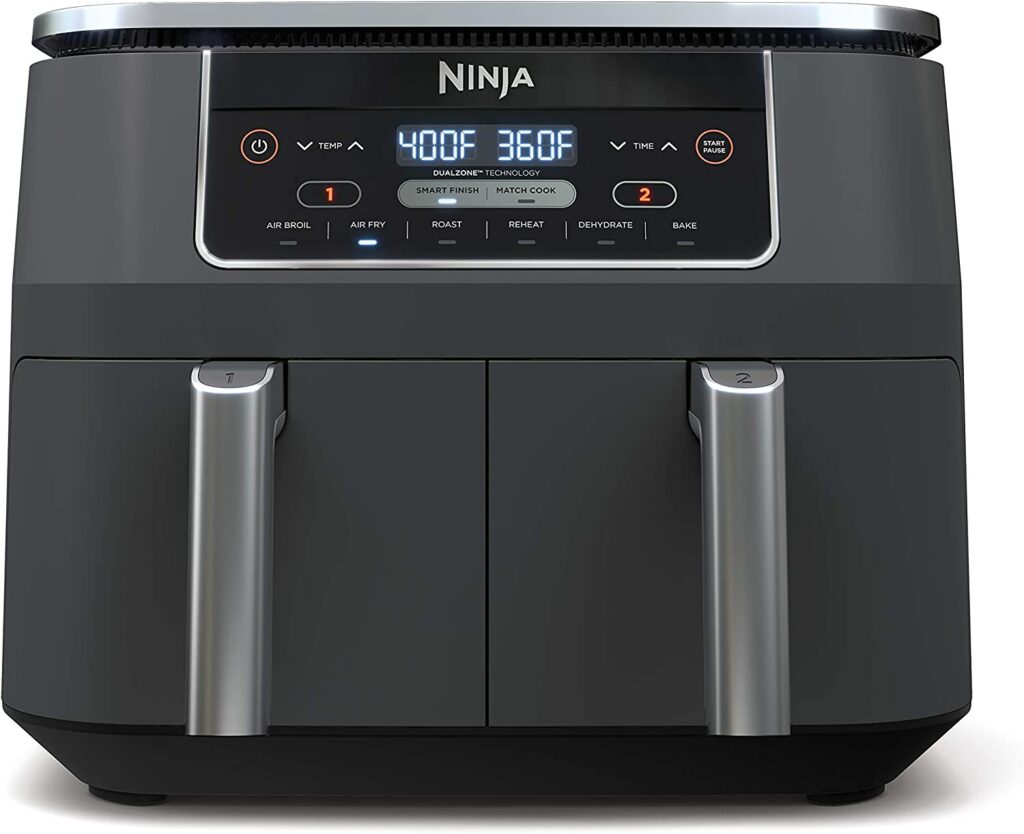
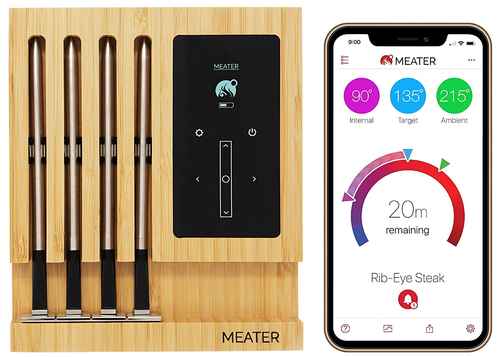
Bacon, with its irresistible aroma and crispy texture, has long been a breakfast staple and a beloved ingredient in countless dishes. While traditional methods like stovetop frying or oven baking produce excellent results, the air fryer has emerged as a modern kitchen marvel that promises speed, convenience, and less mess. Using an air fryer allows the bacon to cook evenly, crisp up beautifully, and drain excess fat, producing a healthier yet equally indulgent version of this classic favorite. Understanding the nuances of air fryer cooking-such as temperature, timing, and thickness of the bacon-is essential for achieving the perfect slice every time. This guide will take you step by step through the process, exploring the science behind each choice and providing expert tips to elevate your bacon game.
Optimal Air Fryer Temperature To Bake Bacon In Air Fryer
Temperature control is key when baking bacon in an air fryer. The ideal range generally falls between 350°F and 400°F (175°C-205°C).
- 350°F (175°C): This lower temperature allows bacon to cook more slowly, rendering the fat gradually, which produces a slightly chewier texture while still achieving crisp edges. It’s ideal for thicker-cut bacon or for those who prefer a balance between crispy and tender.
- 375°F (190°C): Often considered the ’sweet spot’ for most air fryers, this temperature delivers evenly cooked bacon with a consistent crispiness without risking overcooking or burning.
- 400°F (205°C): This high temperature ensures maximum crispiness in a shorter amount of time. It’s perfect for thin-cut bacon, but requires closer monitoring to prevent over-browning or smoke.
The key is to understand your specific air fryer model, as some units have hotter or cooler airflow patterns. Adjustments of 5-10°F can make a notable difference in texture.
How Long To Bake Bacon In Air Fryer
Cooking time depends on the thickness of the bacon and your preferred crispiness level:
- Thin-cut bacon: 8-10 minutes
- Regular-cut bacon: 10-12 minutes
- Thick-cut bacon: 12-15 minutes
It’s important to flip the bacon halfway through the cooking process. Air fryers circulate hot air around the food, but flipping ensures both sides are evenly cooked and prevents curling. Keep in mind that bacon will continue to crisp slightly after removal from the air fryer due to residual heat.
How To Tell If It Is Done
Bacon is done when it reaches your preferred level of crispiness and golden-brown color. Visual and tactile cues include:
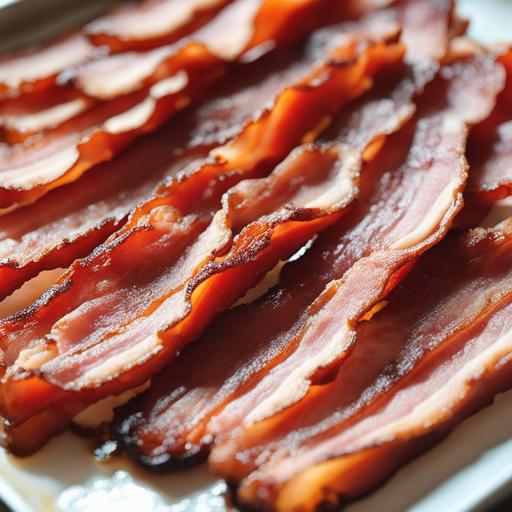
- Color: The bacon should be a deep golden brown, with edges slightly darker.
- Texture: Press lightly with tongs; fully cooked bacon should be firm but not brittle if you prefer a bit of chew.
- Fat Rendering: The fat should be translucent and mostly rendered, leaving crisp meat.
Avoid relying solely on cooking time. Variations in air fryer brand, bacon thickness, and even the ambient kitchen temperature can influence doneness.
Ingredients Needed
- Bacon strips (thin, regular, or thick-cut, depending on preference)
- Optional: spices or seasonings such as black pepper, smoked paprika, or brown sugar for added flavor
- Paper towels (for draining excess grease)
No additional oil is necessary; bacon releases its own fat during cooking, which prevents sticking and enhances crispiness.
How To Bake Bacon In Air Fryer
- Preheat the air fryer to your desired temperature (typically 375°F).
- Arrange the bacon strips in a single layer in the air fryer basket. Avoid overlapping to ensure even cooking.
- Cook for the recommended time, flipping halfway through to promote uniform crispiness.
- Check for doneness at the end of the cooking cycle. Adjust time slightly if needed.
- Transfer to a plate lined with paper towels to absorb excess grease before serving.
Optional: Sprinkle seasonings during the last 2-3 minutes of cooking for enhanced flavor without burning the spices.
What If I Use A Different Air Fryer Temperature?
Altering the temperature changes both cooking time and texture:
- Lower than 350°F: Bacon will cook slowly, becoming more tender and chewy, but may take significantly longer and produce less crisp edges.
- Higher than 400°F: Bacon will crisp very quickly, but there’s a higher risk of burning or producing smoke. Watch closely and reduce cooking time in small increments to avoid overcooking.
Temperature adjustments require careful attention and periodic checking to maintain optimal results.
What If I Use A Different Air Fryer Cooking Time?
Adjusting cooking time affects texture:
- Shorter cooking time: Bacon may remain soft and undercooked. Fat may not fully render, leading to greasy slices.
- Longer cooking time: Bacon can become excessively brittle, dark, or burnt.
Start with recommended times and check frequently if experimenting. It’s safer to undercook slightly and then add a minute or two than to risk burning your bacon.
When Things Go Wrong
Even with air fryers, bacon can present challenges:
- Uneven cooking: May occur if bacon overlaps or the basket is overcrowded. Solution: Cook in batches.
- Excess smoke: Often caused by bacon fat splattering onto the heating element. Solution: Reduce temperature slightly, clean the fryer, or place a small amount of water in the bottom tray.
- Bacon sticks together: Solution: Arrange strips without overlap and flip carefully halfway through.
Understanding these potential pitfalls ensures consistent results and prevents frustrating surprises.
Expert Tips
- Layer with parchment paper: For easier cleanup, place perforated parchment paper under the bacon strips.
- Use thicker cuts for a gourmet touch: Thick-cut bacon holds up better to toppings or sandwich layers.
- Season creatively: Sprinkle brown sugar, chili powder, or smoked paprika for flavored bacon.
- Check airflow: Ensure the air fryer basket is not overcrowded; proper air circulation is crucial for even cooking.
- Resting period: Allow bacon to rest for 1-2 minutes after air frying; residual heat will finish crisping without overcooking.
FAQs
What Temperature Should I Set My Air Fryer To For Cooking Bacon?
For crispy and evenly cooked bacon, preheat your air fryer to 375°F (190°C). This temperature allows the bacon to cook through without burning and produces a good balance of crispiness and chewiness.
How Long Does It Take To Bake Bacon In An Air Fryer?
Cooking time generally ranges from 8 to 12 minutes, depending on the thickness of the bacon slices and your preferred level of crispiness. Thicker slices may require closer to 12 minutes, while thinner slices may be done in 8 minutes.
Do I Need To Flip The Bacon While It Cooks In The Air Fryer?
It is recommended to flip the bacon halfway through the cooking time to ensure even crisping on both sides. Some air fryers with strong circulation may cook evenly without flipping, but flipping improves consistency.
Should I Line The Air Fryer Basket When Cooking Bacon?
Lining the basket with parchment paper or aluminum foil can make cleanup easier and prevent grease from dripping into the bottom of the air fryer. Make sure the lining has holes or is perforated to allow proper air circulation.
Can I Cook Multiple Layers Of Bacon At Once In An Air Fryer?
It is best to cook bacon in a single layer for even cooking and crispiness. If you need to cook multiple batches, do so in separate layers, and check for doneness before serving.
How Do I Prevent Bacon From Sticking To The Air Fryer Basket?
Lightly spraying the basket with cooking oil or using parchment paper can prevent sticking. Avoid overcrowding the basket, as this can trap moisture and cause sticking.
How Should I Store Leftover Bacon After Cooking In The Air Fryer?
Allow the bacon to cool to room temperature, then store it in an airtight container in the refrigerator for up to 4-5 days. For longer storage, you can freeze cooked bacon for up to 1 month and reheat it in the air fryer or microwave.