
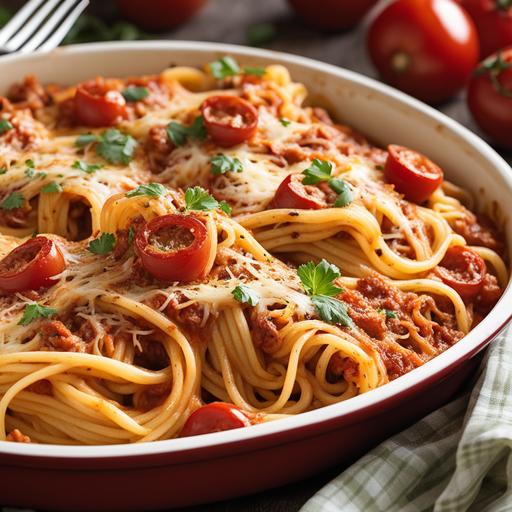
How To Cook Spaghetti In Air Fryer [FULL GUIDE]
Recommended Equipments:
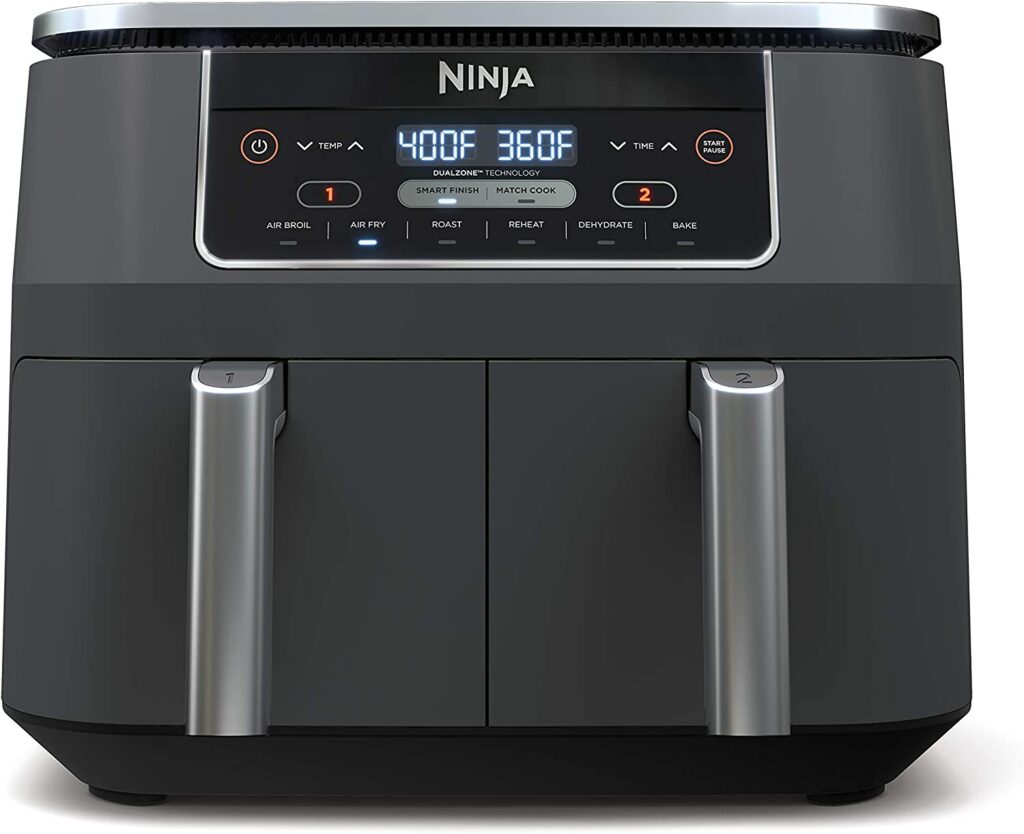
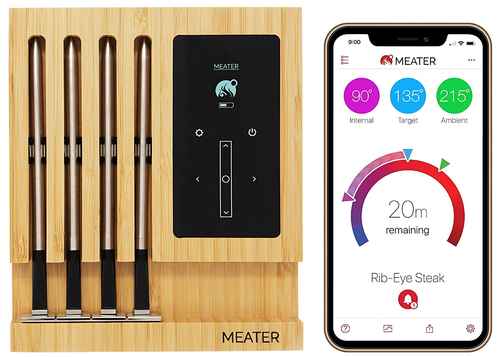
Cooking spaghetti has long been associated with boiling water on a stovetop and stirring a pot until the noodles reach that perfect al dente texture. However, modern kitchen technology has introduced new possibilities, one of which is the air fryer. While it may seem unconventional, cooking spaghetti in an air fryer is not only possible but can also produce delicious results when done correctly. This method is particularly appealing for those who want to save time, avoid using multiple pots, or explore creative cooking techniques. Using an air fryer for spaghetti allows the noodles to cook in a controlled, evenly heated environment, often resulting in a slightly crisp texture on the outer edges while remaining tender inside.
Optimal Air Fryer Temperature To Cook Spaghetti In Air Fryer
Temperature control is crucial when cooking spaghetti in an air fryer. Unlike boiling on a stove, an air fryer relies on circulating hot air to cook food, which requires balancing heat to ensure the noodles cook evenly without drying out or burning. The optimal temperature for cooking spaghetti in an air fryer generally falls between 350°F and 375°F (175°C to 190°C).
- Lower temperatures (around 325°F/163°C) can slow the cooking process and may result in unevenly cooked noodles that are soft but lack a satisfying firmness.
- Higher temperatures (400°F/204°C or above) risk overcooking the outer layers of the spaghetti while leaving the center undercooked, or potentially causing the sauce to burn if included during cooking.
Maintaining a moderate temperature ensures the spaghetti cooks thoroughly while retaining a tender texture.
How Long To Cook Spaghetti In Air Fryer
Cooking time in an air fryer depends on the amount of spaghetti, whether it is pre-cooked, and whether it is coated in sauce. On average:
- For pre-cooked spaghetti: 8-12 minutes at 350°F (175°C) is usually sufficient to heat it thoroughly and achieve slight crispiness if desired.
- For raw or uncooked spaghetti: Break the noodles into smaller pieces, cover with water or broth, and cook for 15-20 minutes at 350°F (175°C), checking halfway to stir and prevent clumping.
It’s important to remember that air fryers vary in strength and airflow. Therefore, starting with the lower end of the time range and checking frequently is recommended.
How To Tell If It Is Done
Unlike stovetop cooking, air fryer spaghetti doesn’t offer the simple ’taste a noodle’ method without stopping the machine. Key indicators that your spaghetti is ready include:
- Tenderness: Use a fork to test a strand of spaghetti. It should bend easily without snapping.
- Even Cooking: The noodles should be evenly coated and cooked through without hard, dry centers.
- Slight Crisp (Optional): If you’re aiming for a baked-like texture, the edges of the noodles should have a subtle crisp without burning.
Avoid relying solely on the timer; visual and tactile cues are more reliable.
Ingredients Needed
Cooking spaghetti in an air fryer requires minimal ingredients, though adding extras can elevate the dish:
- Spaghetti noodles (pre-cooked or uncooked)
- Water or broth (if cooking raw noodles)
- Olive oil or cooking spray
- Salt to taste
- Optional: tomato sauce, garlic, herbs, cheese, or other toppings
For optimal results, use pre-cooked noodles if you’re new to air fryer spaghetti, as this reduces the risk of uneven cooking.
How To Cook Spaghetti In Air Fryer
- Preheat the Air Fryer: Set the temperature to 350°F (175°C) for consistent cooking.
- Prepare the Noodles: For raw spaghetti, break them into smaller pieces and soak briefly in water or broth. For pre-cooked spaghetti, toss with olive oil to prevent sticking.
- Place in Air Fryer Basket: Spread noodles evenly. If adding sauce, mix lightly with the noodles.
- Cook in Intervals: Start with 8-10 minutes, shaking or stirring halfway through to ensure even heat distribution.
- Check Doneness: Test a strand for tenderness and adjust time as needed.
- Optional Toppings: Add cheese or herbs in the last 2-3 minutes to allow melting and flavor infusion.
What If I Use A Different Air Fryer Temperature?
Using a temperature outside the recommended 350-375°F range affects cooking outcome:
- Lower Temperature: The spaghetti will take longer to cook, potentially leading to mushy noodles if cooked too long.
- Higher Temperature: The noodles may dry out or burn on the edges while remaining undercooked inside.
It’s possible to adjust, but you must monitor closely and make small incremental changes.
What If I Use A Different Air Fryer Cooking Time?
Altering cooking time without adjusting temperature can also have consequences:
- Shorter Time: The spaghetti may remain undercooked or cold in the center.
- Longer Time: Risk of dryness, toughness, or burnt edges increases significantly.
The key is to monitor visually and test the texture with a fork.
When Things Go Wrong
Even with careful attention, air fryer spaghetti can encounter issues:
- Undercooked Noodles: Likely due to insufficient water or too short cooking time. Solution: add a splash of water and cook in 2-3 minute increments.
- Dry or Crispy Noodles: Caused by excessive heat or cooking too long. Solution: reduce temperature and lightly coat with oil.
- Clumping: Stir halfway through cooking and lightly coat noodles with oil before air frying.
Being proactive and adjusting as you go is the best way to salvage the dish.
Expert Tips
- Use pre-cooked noodles for beginners to simplify the process.
- Lightly coat with oil to prevent sticking and improve texture.
- Stir or shake halfway to promote even cooking.
- Add sauce at the end for best flavor and to prevent burning.
- Experiment in small batches to learn how your specific air fryer handles spaghetti.
- Cover with foil for raw noodles to help trap steam and ensure even cooking.
FAQs
Can I Cook Dry Spaghetti Directly In An Air Fryer?
No, dry spaghetti should not be cooked directly in an air fryer. Air fryers circulate hot air, which is unsuitable for boiling pasta. You should first cook the spaghetti in boiling water on the stovetop or soak it in hot water to soften before using the air fryer for finishing or crisping purposes.
What Is The Best Way To Prepare Spaghetti For Air Frying?
The recommended method is to pre-cook the spaghetti until it is al dente. Drain the pasta thoroughly and optionally toss it with a small amount of oil or sauce to prevent sticking. This preparation allows the air fryer to evenly crisp or bake the spaghetti without it drying out excessively.
What Temperature And Time Should I Use To Air Fry Spaghetti?
For most air fryer models, pre-cooked spaghetti can be air fried at 375°F (190°C) for 8-12 minutes. Shake or stir the spaghetti halfway through cooking to ensure even crisping. Cooking times may vary depending on portion size and the air fryer brand.
Can I Make Spaghetti Snacks Like Crispy Spaghetti Chips In The Air Fryer?
Yes, air fryers are excellent for making crispy spaghetti snacks. After boiling the pasta, toss it with oil, seasonings, and optionally cheese or breadcrumbs. Spread it in a single layer in the air fryer basket and cook at 375°F (190°C) for 8-10 minutes, checking frequently to prevent burning.
Do I Need To Cover Spaghetti With Foil Or A Pan In The Air Fryer?
It is not necessary to cover pre-cooked spaghetti with foil unless you are trying to prevent splattering with a sauce. A light layer of oil can help prevent sticking, and spreading the pasta evenly in the basket ensures even cooking without the need for a cover.
Can I Add Sauce To Spaghetti Before Air Frying?
You can add a small amount of sauce to pre-cooked spaghetti, but avoid heavy or watery sauces as they can prevent proper crisping and may drip into the air fryer. It’s often better to air fry the pasta first, then toss it with sauce afterward for best texture.
What Are Some Tips To Prevent Spaghetti From Sticking In The Air Fryer?
To prevent sticking, lightly coat the spaghetti with cooking oil or a non-stick spray. Shake or stir the pasta halfway through the air frying process. Avoid overcrowding the basket; air should circulate freely around the pasta for even cooking and crisping.