
How To Cook Frozen Biscuits In Air Fryer [FULL GUIDE]
Recommended Equipments:
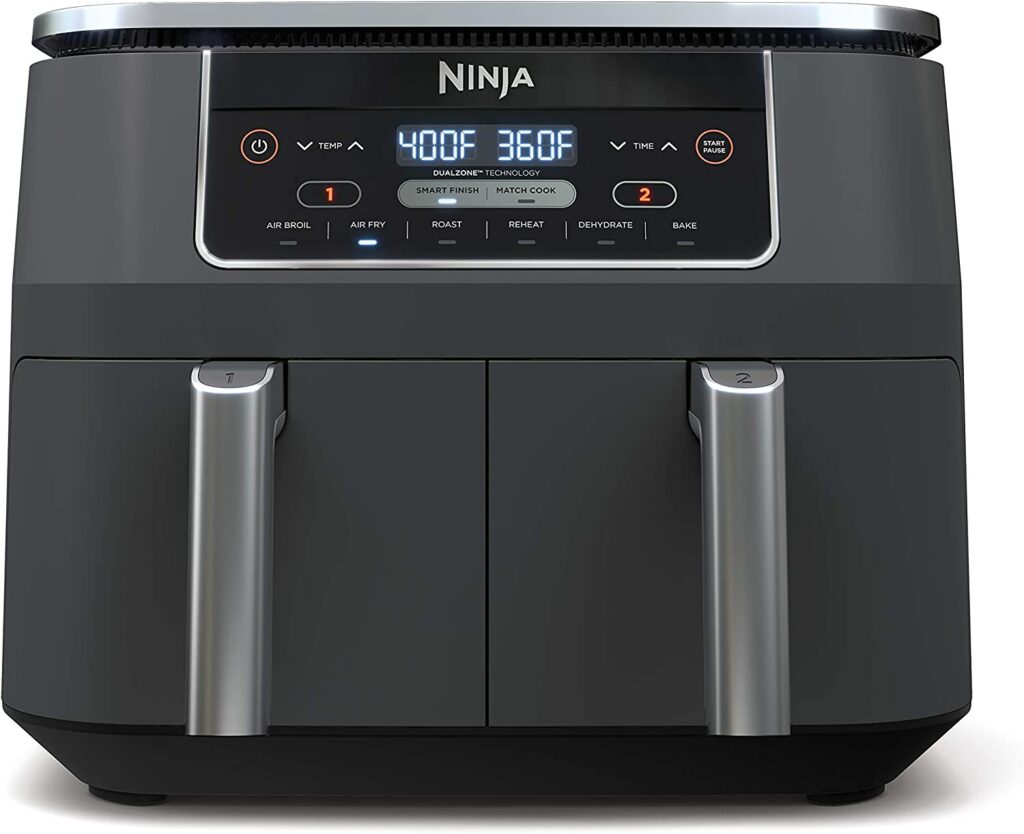
Frozen biscuits are a staple of convenient home baking, offering the perfect blend of fluffy, buttery texture and comforting warmth with minimal preparation. Traditionally baked in an oven, these biscuits can also be effortlessly cooked in an air fryer-a device that uses rapid air circulation to achieve crisp, golden exteriors while keeping interiors tender and soft. Using an air fryer not only reduces cooking time but also provides consistent results without preheating the entire oven, making it a perfect choice for quick breakfasts, snacks, or dinner sides. However, achieving the ideal texture requires careful attention to temperature, timing, and method. This guide will delve into every aspect of cooking frozen biscuits in an air fryer, ensuring you achieve bakery-quality results at home.
Optimal Air Fryer Temperature To Cook Frozen Biscuits In Air Fryer
The temperature at which you cook frozen biscuits in an air fryer is crucial to achieving the perfect balance between a golden, slightly crisp exterior and a soft, fluffy interior. Most frozen biscuits respond best to 350°F (175°C). This moderate temperature allows the biscuit to cook evenly: the outside browns without burning while the interior gradually rises and cooks through. Temperatures higher than this can risk uneven cooking, with a browned or even slightly burnt surface while the center remains undercooked. Conversely, cooking at lower temperatures might result in biscuits that are pale and doughy.
Some air fryers run hotter than others, so it’s important to understand your appliance’s quirks. If your air fryer tends to cook faster than standard models, you may need to slightly reduce the temperature or check for doneness earlier than recommended. For a perfectly golden biscuit, 350°F provides a reliable, consistent benchmark for most models.
How Long To Cook Frozen Biscuits In Air Fryer
Cooking time is just as critical as temperature. On average, frozen biscuits take 10 to 15 minutes in an air fryer at 350°F. Smaller biscuits or those that are less dense may finish closer to 10 minutes, while larger, doughier biscuits might need the full 15 minutes.
It is important to note that air fryers cook differently than ovens because the rapid air circulation directly transfers heat to the surface of the biscuit. This results in faster browning, meaning timing must be closely monitored to avoid overcooking. It is often helpful to check biscuits halfway through the recommended time, rotating the basket if your air fryer doesn’t circulate air evenly, to ensure consistent cooking.
How To Tell If It Is Done
Determining doneness is more nuanced than simply following a timer. Indicators include:
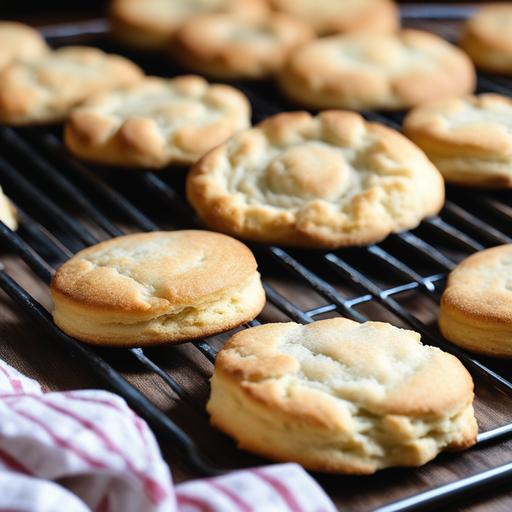
- Color: The tops should be golden brown with a slight sheen, signaling that the Maillard reaction has produced a flavorful crust.
- Texture: Gently tap the top; it should feel firm but spring back slightly.
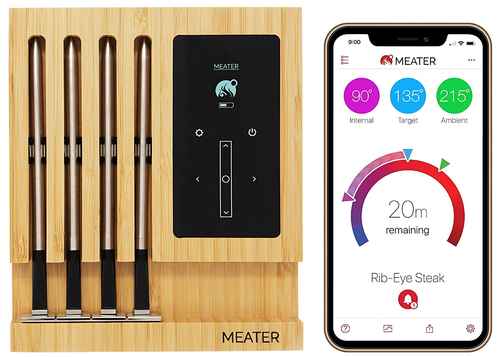
- Internal Temperature: For those who want precision, a fully cooked biscuit should reach around 200°F (93°C) internally.
- Toothpick Test: Insert a toothpick into the center; it should come out clean without raw dough sticking.
A perfectly cooked biscuit will be golden on the outside, soft and airy on the inside, and release a rich, buttery aroma.
Ingredients Needed
Cooking frozen biscuits in an air fryer is wonderfully simple, requiring minimal ingredients. You will need:
- Frozen biscuits – store-bought or homemade pre-frozen dough
- Optional toppings – melted butter, herbs, or seasonings for added flavor
Unlike oven baking, you rarely need oil or non-stick sprays since the biscuits themselves contain enough fat to prevent sticking and encourage browning.
How To Cook Frozen Biscuits In Air Fryer
- Preheat your air fryer to 350°F for 3-5 minutes. While optional, preheating ensures even cooking from the start.
- Arrange biscuits in the basket with at least 1-2 inches of space between each to allow air circulation. Overcrowding can lead to uneven cooking.
- Cook for 10-15 minutes, checking halfway and rotating if necessary.
- Check doneness using color, texture, or a toothpick.
- Remove carefully, as air fryers and baskets are hot. Optionally brush the tops with melted butter for extra flavor and shine.
- Serve immediately for the best taste and texture.
What If I Use A Different Air Fryer Temperature?
- Higher Temperature (360-375°F): Biscuits may brown faster but risk being undercooked inside if not monitored. Reduce cooking time slightly.
- Lower Temperature (325°F): The interior will cook more slowly, giving a softer biscuit, but the exterior may be pale unless cooking time is extended.
Temperature adjustments require careful timing, so constant monitoring is key if deviating from the recommended 350°F.
What If I Use A Different Air Fryer Cooking Time?
- Shorter Time: Biscuits may be undercooked and doughy in the center.
- Longer Time: Exterior may become too hard or dry while the inside loses moisture.
Always check for doneness using the tactile and visual cues mentioned above, rather than relying solely on a timer.
When Things Go Wrong
Common issues include:
- Undercooked Centers: Usually due to too high a temperature or overcrowding the basket. Reduce heat slightly and increase time if needed.
- Burnt Tops: Often caused by high temperature or leaving biscuits too close to the heating element.
- Uneven Cooking: Rotate biscuits halfway through cooking or adjust basket placement.
- Dry Biscuits: Can happen if overcooked; brushing with butter or wrapping loosely in foil can help retain moisture.
Expert Tips
- Do not thaw biscuits-air fryers cook frozen dough more effectively, preserving structure.
- Preheating is optional but recommended for consistent browning.
- Use parchment paper sparingly; only if necessary, and make sure it doesn’t block airflow.
- Small batches cook better, ensuring even heat circulation.
- Enhance flavor by brushing tops with melted butter immediately after cooking.
FAQs
Can You Cook Frozen Biscuits Directly In The Air Fryer Without Thawing?
Yes. Frozen biscuits can go straight into the air fryer without thawing. Air fryers circulate hot air efficiently, allowing the biscuits to cook evenly while developing a crisp exterior and a soft, fluffy interior.
What Temperature Should I Use To Cook Frozen Biscuits In An Air Fryer?
A temperature of 350°F (177°C) is generally recommended. This level of heat ensures that the biscuits cook through the center without burning the tops or bottoms.
How Long Does It Take To Cook Frozen Biscuits In The Air Fryer?
Cooking typically takes 10 to 14 minutes, depending on the size and brand of the biscuits and the specific air fryer model. Checking at the 8-minute mark helps prevent overcooking.
Do I Need To Preheat The Air Fryer Before Cooking Frozen Biscuits?
Preheating is recommended because it helps the biscuits rise consistently and achieve an even golden-brown finish. Most preheats take about 3 to 5 minutes.
Should I Use Parchment Paper Or Oil When Cooking Biscuits In The Air Fryer?
Lightly greasing the basket or using air-fryer-safe parchment paper can prevent sticking. However, parchment paper should only be added after the preheat to avoid airflow disruption.
How Can I Keep Biscuits From Overbrowning On The Top?
If the tops brown too quickly, loosely placing a small sheet of foil over the biscuits during the last few minutes helps balance the color while still allowing them to cook through.
Can I Cook Multiple Biscuits At Once In The Air Fryer?
Yes, but they should be arranged in a single layer with space between them. Overcrowding restricts airflow and may cause uneven cooking, especially in the center of the biscuits.