
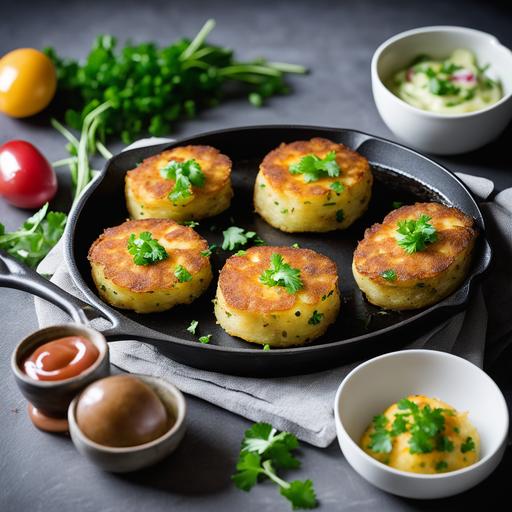
How To Make Potato Cakes In Air Fryer [FULL GUIDE]
Recommended Equipments:
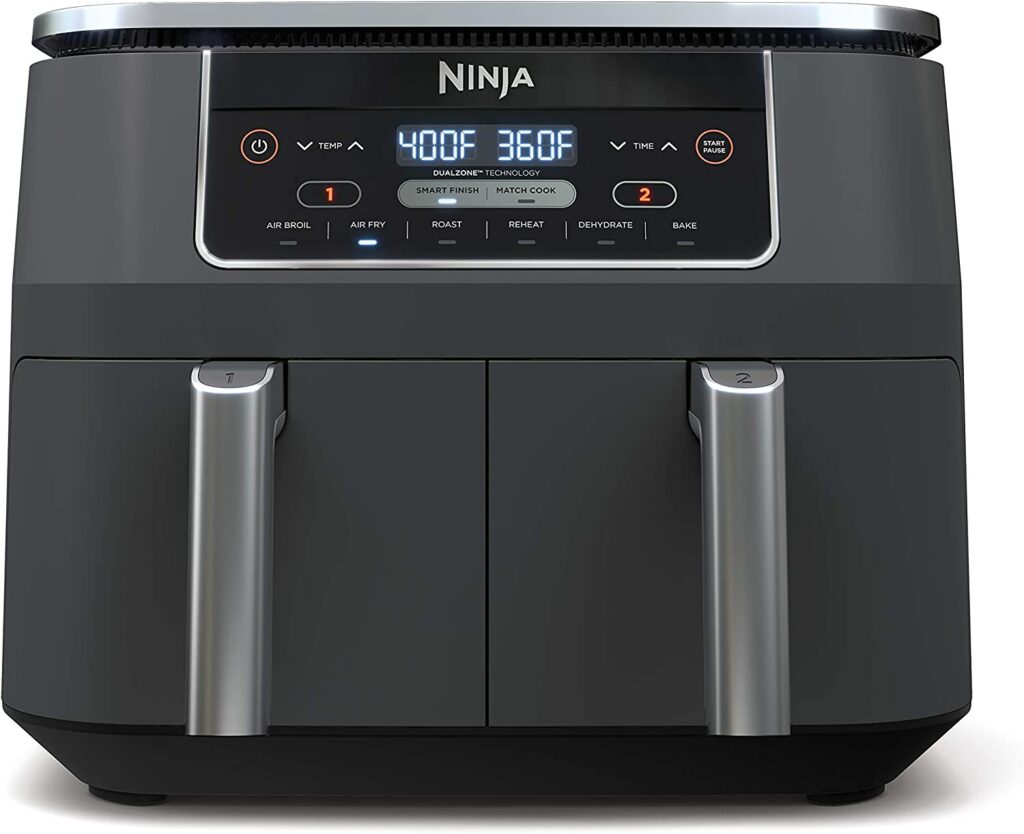
Potato cakes, also known as potato patties or latkes in certain cuisines, are a comforting, golden delight that combine the earthy richness of potatoes with a satisfying crisp exterior. Traditionally pan-fried in oil, these cakes have been given a modern twist thanks to the air fryer. The air fryer offers the perfect balance: achieving a crunchy, golden crust while keeping the interior tender and fluffy, all with less oil and less mess. This cooking method preserves the flavors of the potatoes and enhances their natural texture, making it possible to enjoy a healthier yet indulgent version of this classic dish. Whether served as a side, appetizer, or snack, potato cakes in the air fryer promise a delightful culinary experience that’s quick, convenient, and consistent.
Optimal Air Fryer Temperature To Make Potato Cakes In Air Fryer
Temperature control is critical when air frying potato cakes. The ideal temperature range for cooking these golden delights is 375°F to 400°F (190°C to 205°C). This range allows the exterior to crisp without burning while ensuring the interior cooks thoroughly. Temperatures below 375°F may result in uneven cooking, leaving the center doughy, while temperatures above 400°F can cause rapid browning that may leave the potatoes undercooked inside.
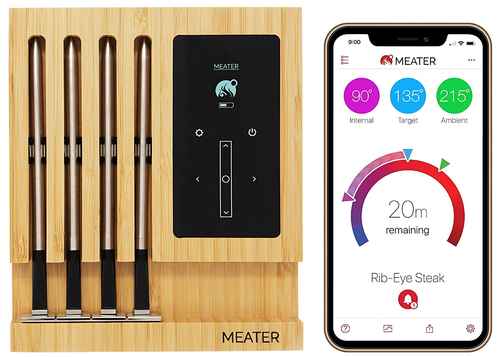
Most home air fryers maintain stable temperatures, but some models may have hot spots. Preheating the air fryer to the chosen temperature helps create an even cooking environment, encouraging uniform crispiness on both sides of the potato cakes. For added precision, use a kitchen thermometer to verify the internal temperature of your cakes; a well-cooked potato cake should reach around 160°F to 165°F internally.
How Long To Make Potato Cakes In Air Fryer
Cooking time depends on the size and thickness of your potato cakes, as well as your air fryer model. Generally, 12 to 15 minutes at 375°F to 400°F is sufficient for medium-sized cakes.
Here’s a more detailed breakdown:
- Small cakes (2-3 inches in diameter): 10-12 minutes.
- Medium cakes (3-4 inches in diameter): 12-15 minutes.
- Large cakes (4-5 inches in diameter): 15-18 minutes.
Flip the cakes halfway through the cooking process to ensure even browning on both sides. Air circulation in the fryer helps achieve a uniform crust, so spacing the cakes in a single layer without overcrowding is essential.
How To Tell If It Is Done
Determining doneness goes beyond relying solely on cooking time. Indicators include:
- Golden Brown Color: The exterior should be a deep golden brown and slightly crisp.
- Firm Texture: Gently press the center with a spatula; it should feel firm but not rock-hard.
- Internal Temperature: As mentioned, use a thermometer to check that it has reached 160-165°F.
- Visual Cues: Slightly pulling one cake apart should reveal a soft, fluffy interior that is fully cooked without raw potato streaks.
Relying on multiple cues ensures perfectly cooked cakes without the risk of undercooking or overcooking.
Ingredients Needed
For a simple yet flavorful batch of potato cakes, gather the following ingredients:
- 2 large russet potatoes (about 1 pound), peeled and grated
- 1 small onion, finely grated or minced
- 1 large egg
- ¼ cup all-purpose flour (or cornstarch for gluten-free)
- ½ teaspoon salt
- ¼ teaspoon black pepper
- ¼ teaspoon garlic powder (optional)
- 2 tablespoons chopped fresh parsley (optional)
- 1-2 tablespoons olive oil or cooking spray for air fryer
These ingredients combine to create a balanced texture and flavor: starch for structure, egg for binding, onion for aromatic sweetness, and seasoning for depth. Optional herbs or spices can add an extra layer of complexity.
How To Make Potato Cakes In Air Fryer
- Prepare the Potatoes: Peel and grate the potatoes. Place them in a clean kitchen towel and squeeze out excess moisture. Removing water is essential for crispiness.
- Mix Ingredients: In a large bowl, combine grated potatoes, onion, egg, flour, salt, pepper, and optional herbs. Mix until well incorporated.
- Form Cakes: Shape the mixture into small patties, about ½ inch thick. Avoid making them too thick, as this can lead to uneven cooking.
- Preheat Air Fryer: Preheat your air fryer to 375°F.
- Cook: Lightly brush or spray the air fryer basket with oil. Place potato cakes in a single layer, leaving space between each. Cook for 12-15 minutes, flipping halfway through.
- Check for Doneness: Ensure the cakes are golden brown, firm, and reach an internal temperature of 160-165°F.
- Serve: Remove carefully and let them rest for 1-2 minutes before serving. Pair with sour cream, applesauce, or your favorite dipping sauce.
What If I Use A Different Air Fryer Temperature?
- Lower Temperature (Below 375°F): Cakes may cook unevenly, remaining soft or undercooked inside. Crispiness will also be reduced. Expect longer cooking times.
- Higher Temperature (Above 400°F): The exterior may brown too quickly while the interior remains undercooked. It requires careful monitoring and potentially reducing the cooking time.
What If I Use A Different Air Fryer Cooking Time?
- Shorter Time: Cakes may appear golden on the outside but remain raw or doughy inside.
- Longer Time: Overcooking can lead to a dry interior and excessively hard, burnt exterior. Adjusting cooking time requires balancing both color and internal temperature.
When Things Go Wrong
Common issues and solutions include:
- Cakes Stick to Basket: Lightly coat with oil or use parchment paper.
- Cakes Are Soggy: Ensure potatoes are well-drained; do not overcrowd the basket.
- Uneven Browning: Flip cakes halfway through and avoid stacking.
- Falling Apart: Add slightly more egg or flour for better binding.
Expert Tips
- Use Starchy Potatoes: Russets give a fluffier interior; waxy potatoes may be too dense.
- Remove Moisture Thoroughly: This is the key to crispiness.
- Preheat Air Fryer: Ensures immediate, even cooking.
- Avoid Overcrowding: Cakes need air circulation for optimal texture.
- Adjust for Personal Preference: Thicker cakes may need lower temperatures and longer cooking; thinner cakes can handle higher heat.
FAQs
What Ingredients Do I Need To Make Potato Cakes In An Air Fryer?
To make potato cakes in an air fryer, you’ll need the following ingredients: mashed potatoes, flour (or breadcrumbs), egg, salt, pepper, and any additional seasonings like garlic powder, onion powder, or herbs. You can also add shredded cheese or chopped vegetables for extra flavor.
How Do I Prepare The Potatoes For Potato Cakes In An Air Fryer?
Start by boiling or baking potatoes until they are soft. Once cooked, mash the potatoes until smooth. Allow them to cool slightly before mixing in the other ingredients like egg, flour, and seasonings. This helps the mixture bind together and form cakes.
Can I Use Leftover Mashed Potatoes To Make Potato Cakes In An Air Fryer?
Yes, leftover mashed potatoes work perfectly for making air fryer potato cakes. Simply add the necessary ingredients such as egg, flour, and seasonings to the mashed potatoes and proceed with shaping and air frying them.
How Do I Form The Potato Cakes For The Air Fryer?
After mixing the mashed potatoes with the other ingredients, take small portions of the mixture and shape them into round or oval patties. Aim for a thickness of about ½ inch to ensure they cook evenly in the air fryer.
At What Temperature Should I Cook Potato Cakes In An Air Fryer?
Set your air fryer to 375°F (190°C) for cooking potato cakes. This temperature allows the cakes to cook evenly and develop a crispy, golden exterior while keeping the inside soft.
How Long Should I Cook Potato Cakes In An Air Fryer?
Cook the potato cakes in the air fryer for about 12-15 minutes, flipping halfway through the cooking time. The cakes should be golden brown and crispy on the outside when done.
Do I Need To Use Oil When Making Potato Cakes In The Air Fryer?
While the air fryer uses hot air for cooking, lightly spraying the potato cakes with oil can help them crisp up. A light coat of cooking spray or brushing them with a small amount of oil is recommended for a better texture, but it’s optional.