
How To Cook Diced Pork Belly In Air Fryer [FULL GUIDE]
Recommended Equipments:
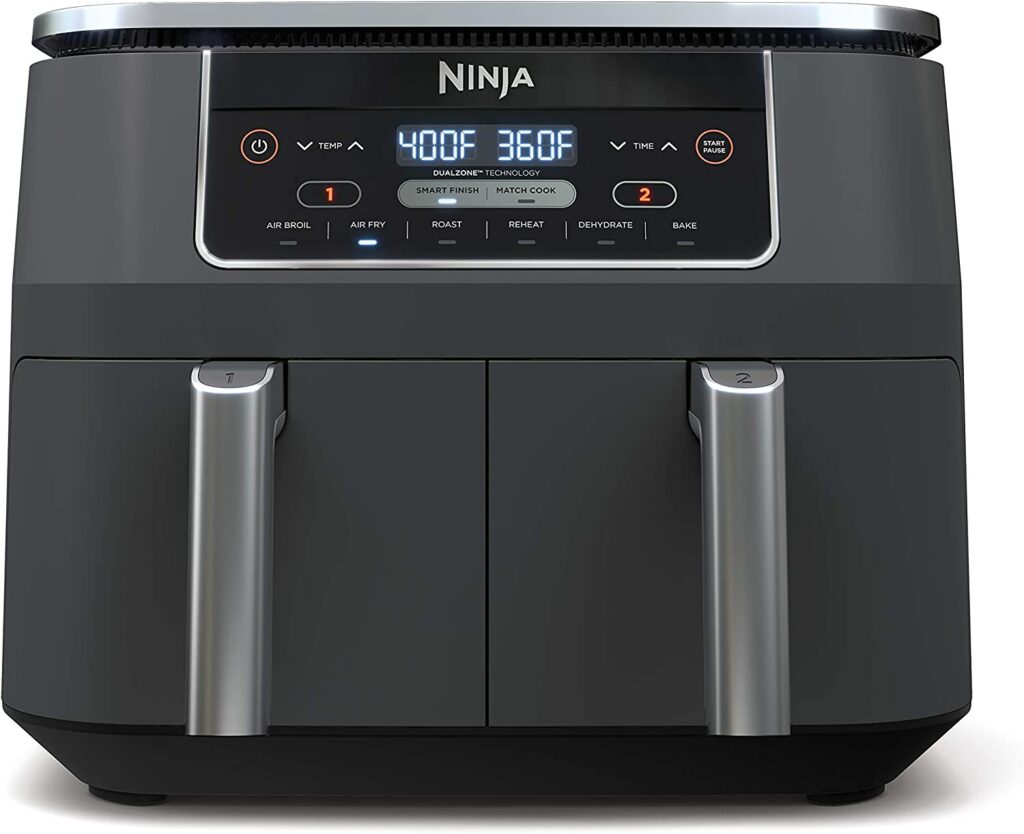
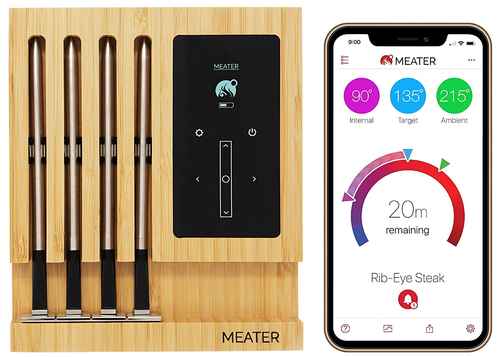
Diced pork belly is one of the most satisfying cuts to cook in an air fryer. Its high fat content renders beautifully under circulating heat, transforming small cubes of raw pork into crispy, golden, caramelized bites with very little effort. Unlike traditional pan-frying or oven-roasting, the air fryer delivers rapid, consistent heat that crisps the exterior while keeping the interior tender and succulent. When cooked correctly, diced pork belly develops a lacquered crust and a rich, melt-in-your-mouth center that makes it incredibly versatile for meals, snacks, and recipes.
However, achieving this perfect texture hinges on using the correct temperature, time, and preparation method. Cooked too long, and the pork belly becomes dry and leathery. Cooked too briefly or at too low a temperature, and it may be rubbery with unrendered fat. This guide provides a complete, deeply detailed understanding of the ideal temperature, timing, preparation, and troubleshooting so you get incredible results every time.
Optimal Air Fryer Temperature To Cook Diced Pork Belly In Air Fryer
The best temperature to cook diced pork belly in an air fryer is 400°F (200°C).
Here is why this temperature is optimal:
- Rapid fat rendering: Pork belly contains layers of fat that need high heat to melt and crisp. At 400°F, the heat penetrates quickly and encourages efficient rendering without overcooking the meat.
- Intense surface caramelization: The Maillard reaction begins rapidly at this temperature, building deep color and a savory crust.
- Balanced interior cooking: Though the outside crisps, the interior remains tender if the cooking time is managed properly.
- Prevents steaming: Lower temperatures sometimes cause pork belly to release moisture faster than it can evaporate, leading to steaming. At 400°F, moisture evaporates quickly, preserving crispiness.
This temperature provides the best combination of crunch, flavor, and tenderness.
How Long To Cook Diced Pork Belly In Air Fryer
At 400°F (200°C), diced pork belly typically requires 18-25 minutes of cooking time. The variation depends on cube size, air fryer model, and how much fat is in the meat.
Approximate guidelines:
- ½-inch cubes: 16-20 minutes
- 1-inch cubes: 20-25 minutes
- Frozen diced pork belly: 25-30 minutes (shake more frequently)
For best results:
- Shake or stir the basket halfway to ensure even exposure.
- If you want extra crispiness, cook an additional 2-4 minutes at the end.
How To Tell If It Is Done
Determining doneness is a combination of visual and structural cues:
Color
- Exterior should be deep golden to medium brown, with no pale or raw-looking patches.
- Fat should look rendered, bubbling, or slightly crisp.
Texture
- When pressed gently with tongs, pieces should feel firm but not hard.
- The surface should be crisp, while the inside stays juicy.
Internal Temperature
- Use a meat thermometer if precision is needed. Pork belly is safe at 145°F (63°C).
- However, most cooks bring pork belly closer to 170-190°F to fully render fat, but the air fryer achieves this without drying the meat due to continuous circulation.
Sound
- You may hear a light crackling sound when you shake or stir the pieces. This indicates proper crisping.
Ingredients Needed
The ingredients for diced pork belly in an air fryer can be simple or seasoned, depending on your flavor preference.
Essential Ingredients
- 1-1.5 pounds diced pork belly
- Salt (fine or coarse)
- Black pepper
Optional Seasonings
- Paprika or smoked paprika
- Garlic powder
- Onion powder
- Chili powder
- Five spice powder
- Ground cumin
- Cayenne
- Brown sugar
- Soy sauce
- Olive oil or avocado oil (only needed if the pork belly is very lean)
Optional Add-Ons Or Finishers
- Honey glaze
- Barbecue sauce
- Chili crisp
- Fresh herbs
- Lime juice
- Sesame seeds
How To Cook Diced Pork Belly In Air Fryer
Prep The Pork Belly
- If not already diced, cut pork belly into uniform cubes (½ to 1 inch).
- Pat the cubes dry with paper towels. Removing moisture ensures crispier results.
- Toss with salt, pepper, and any optional seasonings. If the meat is very fatty, avoid adding oil; if leaner, add ½-1 teaspoon.
Preheat Your Air Fryer
-
Preheat to 400°F (200°C) for 3 minutes.
Preheating prevents sticking and jump-starts the crisping process.
Load The Basket
- Place pork belly in a single layer for even cooking.
- Avoid overcrowding. Cook in batches if needed.
Cook At 400°F
- Cook for 18-25 minutes, shaking every 6-8 minutes.
- After 15 minutes, check for color and doneness, adjusting time as needed.
Optional Crisping
- For darker, crunchier pieces, add 2-4 extra minutes.
Rest And Serve
-
Let the pork belly rest for 3 minutes after cooking.
This allows the juices to settle and the exterior to firm up.
What If I Use A Different Air Fryer Temperature?
Lower Temperature (300-375°F / 150-190°C)
- Pros: More gradual fat rendering, less risk of burning.
- Cons: Texture may be softer, less crisp, and may require longer cooking.
- Risk: Pork belly may steam rather than fry if cooked too low.
Higher Temperature (425-450°F / 220-230°C)
- Pros: Faster crisping and browning.
- Cons: Risk of burning the exterior before the interior cooks.
- Best For: Only final crisping; not for the whole cook.
Lower temperatures produce tender meat but muted crispiness.
Higher temperatures intensify crispiness but need caution.
The sweet spot remains 400°F for balanced results.
What If I Use A Different Air Fryer Cooking Time?
Shorter Time
- Pork may be undercooked, rubbery, or pale.
- Fat may remain unrendered, leaving a chewy texture.
Longer Time
- Excessive cooking leads to dryness or hard edges.
- Very long times may burn the exterior while liquefying too much fat.
If adjusting time:
- Always monitor color and texture.
- Shake the basket frequently to prevent burning.
When Things Go Wrong
Pork Belly Is Soft, Not Crispy
- Temperature too low.
- Basket overcrowded.
-
Not enough shaking or air circulation.
Fix: Raise heat to 400-425°F and cook 3-5 minutes longer.
Pork Belly Is Burnt Outside, Undercooked Inside
- Temperature too high.
-
Cubes too large.
Fix: Lower temp to 375°F and finish cooking more slowly.
Excess Smoke Coming From Air Fryer
-
Fat dripping onto heating element.
Fix: Add a small amount of water or bread slice under the basket to catch fat.
Pork Belly Is Dry
-
Cooked too long.
Fix: Toss with sauce or glaze to restore moisture.
Expert Tips
- Use even sized cubes for consistent cooking.
- Dry the pork belly thoroughly before seasoning to maximize crispiness.
- Avoid too much seasoning salt early in cooking; salt draws moisture. Add additional salt halfway if desired.
- Shake the basket frequently. This ensures even rendering.
- Do not overcrowd. Air fryer performance depends on airflow.
- Trim overly thick fat layers if you prefer a crispier texture.
- Use parchment with holes for easier cleanup, but never block airflow.
- Let the pork belly rest after cooking to enhance texture.
FAQs
What Temperature Should I Cook Diced Pork Belly In An Air Fryer?
For optimal results, preheat your air fryer to 400°F (200°C). This temperature allows the pork belly to become crispy on the outside while remaining tender on the inside. Adjust slightly based on your air fryer model and desired crispiness.
How Long Does It Take To Cook Diced Pork Belly In An Air Fryer?
Diced pork belly typically takes 20-25 minutes to cook in an air fryer. Shake or stir the pieces every 5-7 minutes to ensure even cooking and browning. Thicker pieces may require an additional 5 minutes.
Do I Need To Marinate The Pork Belly Before Air Frying?
Marinating is optional but recommended for flavor. A simple marinade of soy sauce, garlic, ginger, and a little sugar or honey enhances taste. Marinate for at least 30 minutes, or up to overnight in the refrigerator, for best results.
Should I Use Oil When Cooking Diced Pork Belly In An Air Fryer?
Pork belly has a high fat content, so additional oil is not necessary. Lightly tossing the diced pieces with a teaspoon of oil can help achieve extra crispiness, but avoid over-oiling as it can cause excessive smoke.
How Do I Ensure The Diced Pork Belly Is Crispy And Not Greasy?
Pat the pork belly dry with paper towels before cooking to remove excess moisture. Cook at high temperature and shake or stir occasionally. Once cooked, let the pieces rest on a paper towel-lined plate to absorb excess fat.
Can I Cook Frozen Diced Pork Belly In The Air Fryer?
Yes, but cooking time will be longer. Preheat the air fryer to 400°F (200°C) and cook frozen diced pork belly for 25-30 minutes, shaking halfway through. Avoid thawing directly in the air fryer to prevent uneven cooking.
How Do I Know When Diced Pork Belly Is Fully Cooked?
Fully cooked pork belly should reach an internal temperature of at least 145°F (63°C). The exterior should be golden-brown and crispy, while the interior remains juicy. Cutting a piece to check texture is also a reliable method.