
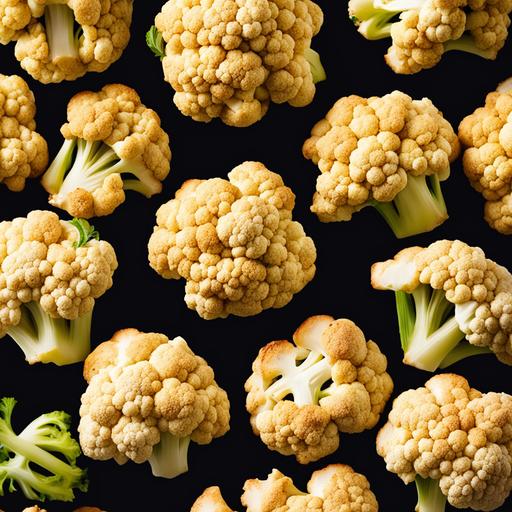
How To Cook Cauliflower In Air Fryer [FULL GUIDE]
Recommended Equipments:
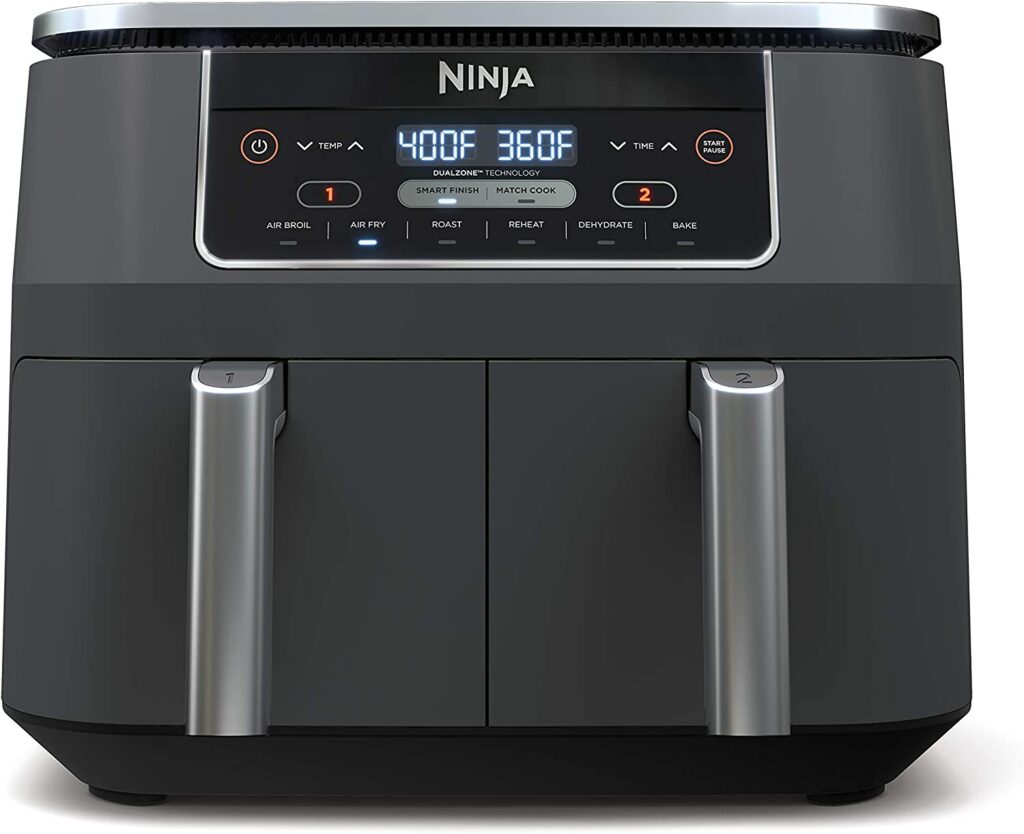
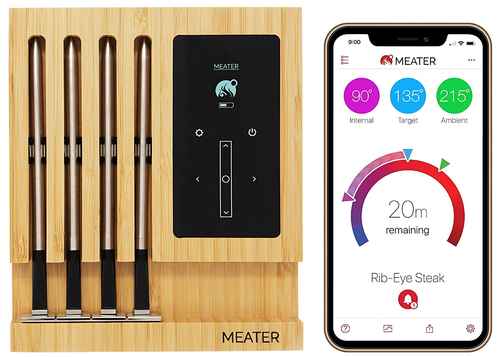
Cauliflower is one of those versatile vegetables that can be transformed from a humble side dish into a crispy, flavorful delight. Air frying cauliflower elevates its natural nutty flavor while giving it a satisfying crunch that rivals traditional roasting, all without the excess oil. Using an air fryer allows for a quicker cooking process, more even cooking, and less mess, making it an ideal method for both busy weeknights and culinary experimentation. Mastering the art of air-fried cauliflower requires understanding the interplay of temperature, timing, and seasoning-factors that can make or break your perfectly crisp results.
Optimal Air Fryer Temperature To Cook Cauliflower In Air Fryer
The ideal temperature for air frying cauliflower is typically 375°F (190°C). This temperature strikes the perfect balance between achieving a golden-brown exterior and tender interior. Too low a temperature, and your cauliflower may become soft without developing that desirable crispiness. Too high, and the edges may char before the center cooks through.
Temperature control is critical because air fryers rely on rapid air circulation, which can cause uneven cooking if set incorrectly. At 375°F, cauliflower florets develop a caramelized, nutty flavor while retaining enough moisture to stay tender, creating a texture that’s crisp on the outside and satisfying on the inside.
How Long To Cook Cauliflower In Air Fryer
Cooking time depends on the size of the florets and the desired crispness, but generally, 12-15 minutes is optimal. Small, bite-sized florets may only need 10 minutes, while larger chunks could require up to 18 minutes. Halfway through cooking, shaking the basket or stirring the florets ensures even browning and prevents burning.
It’s important to remember that cooking times are not absolute; factors such as the air fryer model, the quantity of cauliflower, and whether the florets are coated in oil or seasonings can alter the time slightly.
How To Tell If It Is Done
Determining doneness in air-fried cauliflower requires both visual and tactile cues:
- Color – The edges should be golden brown and slightly caramelized.
- Texture – The florets should be tender when pierced with a fork but not mushy. A slight bite (al dente) is often preferred.
- Smell – You should notice a nutty, roasted aroma developing; a strong burnt smell indicates overcooking.
Avoid relying solely on timing; sensory checks are more reliable to achieve perfect results.
Ingredients Needed
- 1 medium head of cauliflower, cut into bite-sized florets
- 1-2 tablespoons olive oil (or preferred cooking oil)
- Salt, to taste
- Optional seasonings: garlic powder, smoked paprika, black pepper, turmeric, or Parmesan cheese
Seasonings can be customized to match your culinary preferences. The oil not only helps the seasonings stick but also contributes to crispiness.
How To Cook Cauliflower In Air Fryer
- Preheat the air fryer to 375°F (190°C).
- Wash and cut the cauliflower into uniform florets to ensure even cooking.
- Toss the florets with olive oil, salt, and any desired seasonings.
- Place the florets in a single layer in the air fryer basket, avoiding overcrowding.
- Air fry for 12-15 minutes, shaking the basket or stirring halfway through.
- Check for doneness using the visual and tactile cues above.
- Serve immediately for the best texture.
What If I Use A Different Air Fryer Temperature?
Altering the temperature affects texture and cooking time:
- Lower temperatures (325-350°F / 160-175°C): Results in softer, less browned cauliflower. Cooking time may increase by 5-10 minutes.
- Higher temperatures (400-425°F / 200-220°C): Speeds up browning and crisping but increases the risk of burnt edges and uneven cooking. Check halfway to prevent scorching.
Adjusting temperature requires careful monitoring to maintain the ideal tender-crisp balance.
What If I Use A Different Air Fryer Cooking Time?
Shorter or longer cooking times will change the final texture:
- Shorter times (<10 minutes): Florets may be undercooked and lack the desired crispness.
- Longer times (>18 minutes): Increases the risk of drying out or burning.
A good practice is to test a few florets first, then adjust time as needed for your specific air fryer.
When Things Go Wrong
Common issues include:
- Mushy florets – Usually caused by overcrowding, low temperature, or excessive moisture. Spread them out and pat dry before cooking.
- Burnt edges – Often due to high temperature or small florets cooking too quickly. Reduce temperature or shorten cooking time.
- Uneven cooking – Shaking or stirring halfway through resolves hot spots in the basket.
Troubleshooting often involves minor adjustments rather than starting over completely.
Expert Tips
- Uniform size matters: Cut florets into similar sizes for consistent cooking.
- Dry thoroughly: Excess moisture prevents crisping.
- Oil strategically: A light coating is sufficient; too much oil can cause sogginess.
- Experiment with flavors: Try smoked paprika, curry powder, or nutritional yeast for creative variations.
- Use a single layer: Avoid stacking for maximum crispiness.
These small techniques elevate simple air-fried cauliflower into a restaurant-quality dish.
FAQs
What Is The Best Way To Prepare Cauliflower Before Air Frying?
To prepare cauliflower for air frying, start by washing and thoroughly drying the florets. Cut the cauliflower into evenly sized pieces to ensure uniform cooking. Optionally, toss the florets with a small amount of oil and seasoning such as salt, pepper, garlic powder, or paprika for enhanced flavor.
Do I Need To Preheat The Air Fryer Before Cooking Cauliflower?
Preheating the air fryer is recommended for more even cooking and crispier results. Preheat the air fryer to 375°F (190°C) for 3 to 5 minutes before adding the cauliflower.
What Temperature And Cooking Time Are Ideal For Air Frying Cauliflower?
For perfectly cooked cauliflower, set the air fryer to 375°F (190°C) and cook for 12 to 15 minutes. Shake or toss the florets halfway through cooking to ensure even browning and crispiness.
Can I Cook Frozen Cauliflower In An Air Fryer?
Yes, frozen cauliflower can be cooked in an air fryer. There is no need to thaw it beforehand, but you may need to increase the cooking time to 15-20 minutes. Toss the frozen florets with a small amount of oil and seasonings for best results.
How Can I Make Air-fried Cauliflower Extra Crispy?
To achieve extra crispiness, lightly coat the cauliflower florets with oil or use a breadcrumb or panko coating. Avoid overcrowding the air fryer basket to allow proper air circulation, which promotes crisp texture.
Is It Possible To Cook Cauliflower In The Air Fryer Without Oil?
Yes, you can cook cauliflower without oil in an air fryer, but it may not be as crispy. Using a small amount of oil helps with browning and flavor, though seasoning alone can still yield a tasty result.
What Are Some Seasoning Ideas For Air-fried Cauliflower?
Air-fried cauliflower pairs well with a variety of seasonings. Popular options include garlic powder, paprika, cumin, chili powder, curry powder, parmesan cheese, or a mix of herbs like rosemary and thyme. For a spicier flavor, sprinkle with cayenne or chili flakes before cooking.