
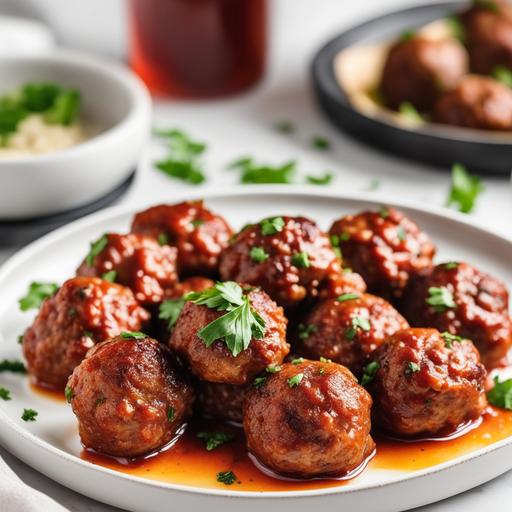
How To Cook Fresh Meatballs In Air Fryer [FULL GUIDE]
Recommended Equipments:
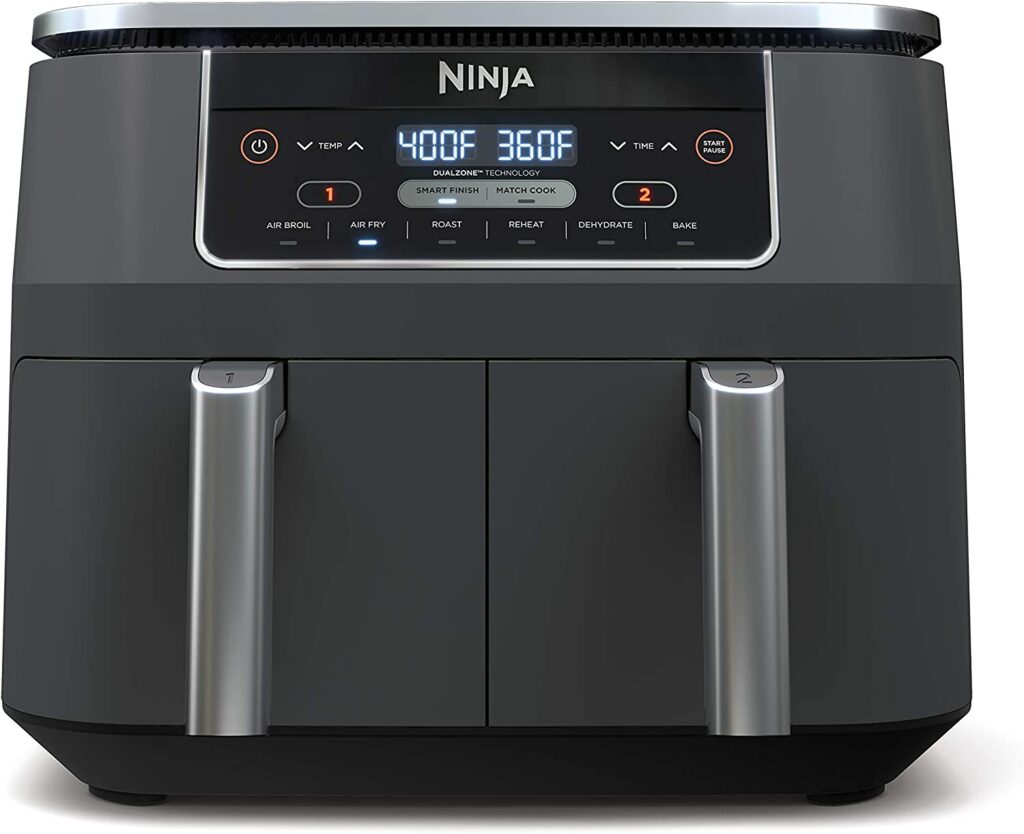
Air fryers have revolutionized home cooking, offering a faster, healthier, and often more convenient alternative to traditional frying methods. Cooking fresh meatballs in an air fryer combines the savory satisfaction of a homemade favorite with the crisp exterior and juicy interior that make meatballs irresistible. Unlike baking or pan-frying, air frying allows for even cooking using hot circulating air, resulting in meatballs that are golden brown on the outside while remaining tender and flavorful inside. This guide delves into every aspect of perfecting air-fried meatballs, from selecting the ideal temperature to troubleshooting potential mishaps, ensuring your results are consistently delicious.
Optimal Air Fryer Temperature To Cook Fresh Meatballs In Air Fryer
The ideal temperature for cooking fresh meatballs in an air fryer is around 375°F (190°C). This temperature strikes a perfect balance: high enough to create a crisp, browned exterior without drying out the interior. Cooking at temperatures lower than 350°F can lead to under-browned, soggy meatballs, while temperatures above 400°F risk burning the outside before the inside is fully cooked. For leaner meats, slightly lower temperatures may help retain moisture, whereas fattier meat mixtures tolerate slightly higher heat for a more caramelized crust. Maintaining a consistent temperature is key, so preheating your air fryer for 3-5 minutes before adding meatballs ensures even cooking from the moment they hit the basket.
How Long To Cook Fresh Meatballs In Air Fryer
The cooking time for fresh meatballs in an air fryer generally ranges between 10 to 15 minutes, depending on their size and meat type. Smaller meatballs (about 1 inch in diameter) usually cook in roughly 10 minutes, while larger meatballs (1.5-2 inches) may need closer to 15 minutes. Shaking the basket or turning meatballs halfway through cooking is recommended to promote even browning and prevent sticking. For best results, avoid overcrowding the basket-air needs to circulate around each meatball to achieve that signature crisp exterior.
How To Tell If It Is Done
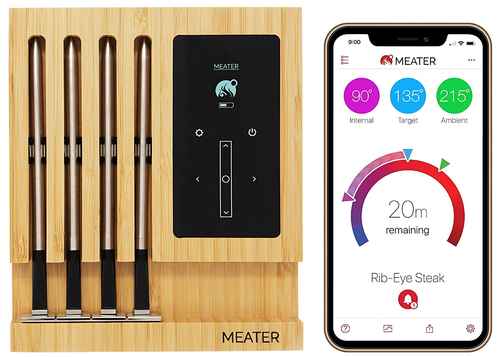
The best way to determine if meatballs are fully cooked is to use a meat thermometer. The internal temperature should reach 165°F (74°C) for ground poultry and 160°F (71°C) for beef or pork. Additionally, a visual check can help: the exterior should be evenly browned, and juices running from the meatballs should be clear rather than pink or red. A gentle squeeze test can also work-meatballs should feel firm but not rock hard. Avoid cutting open every meatball unless necessary; over-cutting can release juices and dry them out.
Ingredients Needed
For a classic fresh meatball recipe, gather the following:
- 1 pound (450g) ground meat (beef, pork, chicken, turkey, or a combination)
- ½ cup breadcrumbs
- ¼ cup grated Parmesan cheese
- 1 large egg
- 2-3 cloves garlic, minced
- 2 tablespoons chopped fresh parsley
- 1 teaspoon salt
- ½ teaspoon black pepper
- ½ teaspoon onion powder (optional)
- ½ teaspoon Italian seasoning (optional)
- 1-2 tablespoons olive oil (optional, for added moisture)
These ingredients form a basic yet flavorful mixture that balances moisture, binding, and seasoning. For variations, you can add red pepper flakes, Worcestershire sauce, or finely chopped vegetables like bell peppers or spinach.
How To Cook Fresh Meatballs In Air Fryer
- Preheat your air fryer to 375°F (190°C) for 3-5 minutes.
- Prepare the meatball mixture by combining all ingredients in a large bowl. Mix gently to avoid overworking the meat, which can make the meatballs tough.
- Shape meatballs evenly, about 1-1.5 inches in diameter. Uniform sizing ensures even cooking.
- Lightly grease the air fryer basket with oil or use parchment paper with holes for easy cleanup and to prevent sticking.
- Place meatballs in the basket, leaving space between them to allow hot air circulation.
- Cook for 10-15 minutes, shaking or turning halfway through. Adjust time depending on size and type of meat.
- Check doneness with a meat thermometer, aiming for the proper internal temperature.
- Remove and rest meatballs for 2-3 minutes before serving-resting helps redistribute juices for maximum tenderness.
What If I Use A Different Air Fryer Temperature?
- Lower temperatures (325-350°F / 160-175°C): Meatballs may take longer to cook, resulting in a softer, less browned exterior. This can be beneficial for very lean meatballs to prevent drying.
- Higher temperatures (400-425°F / 200-220°C): Meatballs will brown faster, but risk being undercooked inside if not monitored. You may need to reduce cooking time and check internal temperature frequently.
What If I Use A Different Air Fryer Cooking Time?
- Shorter time: Meatballs will be undercooked or raw inside. Always verify internal temperature before serving.
- Longer time: Meatballs can dry out, shrink, and develop a tough texture. If you must extend cooking time due to larger size, consider reducing the temperature slightly to avoid burning the outside.
When Things Go Wrong
- Undercooked meatballs: Increase cooking time in 2-3 minute increments, checking temperature frequently.
- Dry meatballs: Ensure you’re not overcooking, and consider adding a little extra moisture like milk, eggs, or a small amount of oil to the mixture.
- Uneven browning: Don’t overcrowd the basket and shake or turn halfway through. Preheating the air fryer can also help.
- Sticking to the basket: Lightly grease the basket or use perforated parchment paper.
Expert Tips
- Uniform size is key: Ensures even cooking and consistent texture.
- Don’t overmix: Overworking meat develops excess gluten, making meatballs dense.
- Rest before serving: Letting meatballs rest retains juices and improves flavor.
- Experiment with coatings: A light layer of panko breadcrumbs can enhance crispiness.
- Use a meat thermometer: Eliminates guesswork and ensures safety.
FAQs
What Temperature Should I Set My Air Fryer To Cook Fresh Meatballs?
For evenly cooked and juicy meatballs, preheat your air fryer to 375°F (190°C). This temperature allows the exterior to brown nicely while ensuring the interior cooks thoroughly without drying out.
How Long Should Fresh Meatballs Be Cooked In The Air Fryer?
Cook fresh meatballs for 10-15 minutes, shaking the basket or turning the meatballs halfway through cooking. The exact time depends on the size of the meatballs and the type of meat used. Always check that the internal temperature reaches 165°F (74°C) for safety.
Do I Need To Preheat The Air Fryer Before Cooking Meatballs?
Yes, preheating the air fryer ensures consistent cooking and a better sear on the meatballs. Preheat for 3-5 minutes before placing the meatballs in the basket.
Should I Use Oil When Cooking Meatballs In The Air Fryer?
Lightly spraying or brushing the meatballs with oil is recommended to achieve a golden brown exterior and prevent sticking. Too much oil is unnecessary, as air fryers circulate hot air to cook the food evenly.
Can I Cook Frozen Meatballs In The Air Fryer?
Yes, frozen meatballs can be cooked in the air fryer, but they will require a longer cooking time-typically 12-18 minutes at 375°F (190°C). Shake or turn them halfway through for even cooking.
How Do I Prevent Meatballs From Drying Out In The Air Fryer?
To maintain juiciness, avoid overcrowding the basket, cook at a moderate temperature, and check internal temperature to prevent overcooking. Adding a small amount of breadcrumbs, egg, or milk to the meat mixture can also help retain moisture.
Can I Cook Different Types Of Meatballs Together In The Air Fryer?
It’s best to cook meatballs of similar size and type together. Different meats may have different cooking times, which could result in undercooked or overcooked meatballs if cooked simultaneously.