
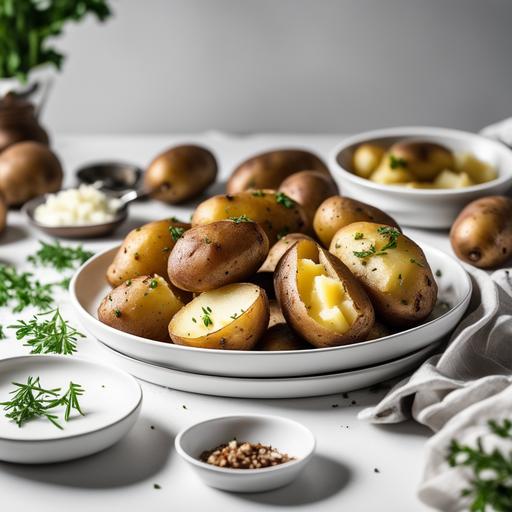
How To Cook Raw Potatoes In Air Fryer [FULL GUIDE]
Recommended Equipments:
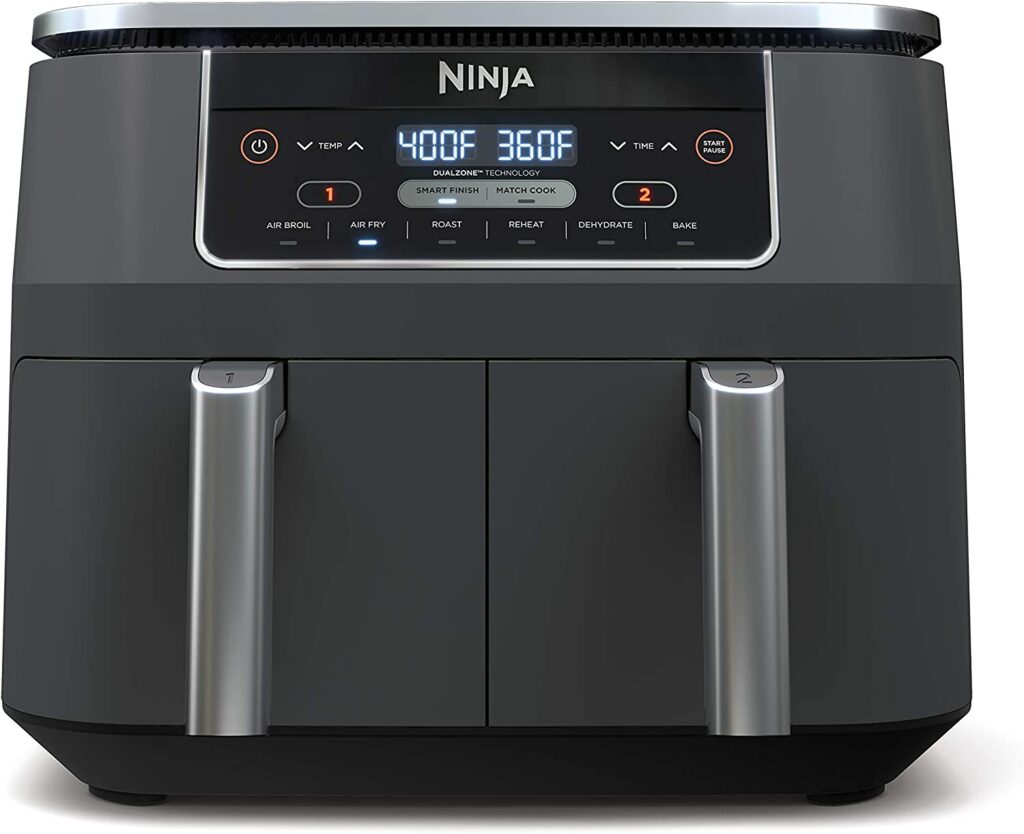
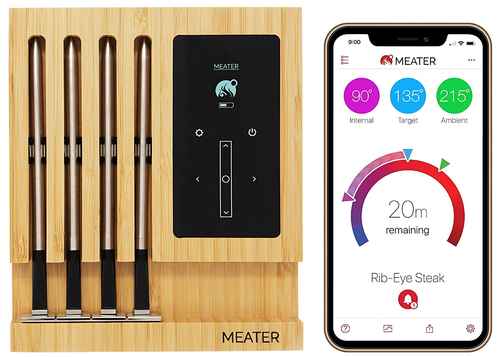
Air fryers have revolutionized home cooking by offering a way to achieve crispy, golden-brown results with minimal oil. One of the most satisfying foods to prepare in an air fryer is the humble potato. Whether you are craving perfectly roasted potato wedges, golden cubes for a side dish, or tender baby potatoes, the air fryer delivers texture and flavor that rival traditional oven roasting-but in a fraction of the time. Cooking raw potatoes in an air fryer may seem straightforward, but achieving the perfect balance of crisp exterior and fluffy interior requires understanding temperature, timing, and technique. This guide explores every nuance of air frying raw potatoes to perfection.
Optimal Air Fryer Temperature To Cook Raw Potatoes In Air Fryer
Temperature is the single most critical factor in air frying potatoes. Too low, and the potatoes will be undercooked or soggy; too high, and the exterior may burn before the inside is tender.
For most raw potato preparations-wedges, cubes, or small whole potatoes-the optimal air fryer temperature is around 400°F (200°C). This temperature allows the Maillard reaction to occur, which is the chemical browning process responsible for that desirable golden crust. Slight adjustments can be made depending on the cut:
- Potato wedges or larger chunks: 400°F works best for crisp edges and tender centers.
- Smaller cubes or diced potatoes: 380-390°F may be preferable to avoid over-browning before the interior cooks.
- Baby or new potatoes: 390-400°F ensures even cooking without bursting the skins.
It’s important to preheat your air fryer for a few minutes before adding the potatoes. A hot environment helps lock in moisture and accelerates crisping.
How Long To Cook Raw Potatoes In Air Fryer
Cooking time depends on the size and cut of your potatoes. Here are general guidelines:
- Cubed potatoes (1-inch pieces): 15-20 minutes, shaken or stirred halfway.
- Potato wedges: 20-25 minutes, flipping once midway.
- Whole baby potatoes: 20-25 minutes, depending on size.
The key is not to overcrowd the basket; potatoes need space for air to circulate. Overcrowding results in uneven cooking and diminished crispiness.
How To Tell If It Is Done
Checking doneness requires both visual cues and texture testing:
- Color: Golden brown on the outside is a primary indicator.
- Texture: The exterior should be crisp while the interior is tender and soft.
- Fork test: Insert a fork into the thickest part. It should slide in easily without resistance.
- Taste test: The ultimate check; potatoes should be soft inside with a lightly crunchy or crisp exterior.
If they’re golden on the outside but firm inside, give them a few more minutes, shaking or stirring periodically.
Ingredients Needed
Cooking raw potatoes in an air fryer is simple, requiring minimal ingredients:
- 2-3 medium-sized raw potatoes (Russet or Yukon Gold work best)
- 1-2 tablespoons of olive oil or another neutral oil
- Salt and pepper, to taste
- Optional seasonings: garlic powder, paprika, rosemary, thyme, or Parmesan cheese
The ingredients can be customized to match your desired flavor profile, but the oil is essential for achieving crispness.
How To Cook Raw Potatoes In Air Fryer
- Prep the potatoes: Wash, peel (optional), and cut into your desired shape. Pat dry to remove excess moisture.
- Season: Toss potatoes with oil, salt, pepper, and optional spices. Ensure each piece is evenly coated.
- Preheat the air fryer: Set to 400°F (200°C) for 3-5 minutes.
- Cook: Place potatoes in a single layer in the basket. Air fry for the recommended time, shaking or flipping halfway through.
- Check for doneness: Use the fork or visual method described above.
- Serve immediately: Air-fried potatoes are best enjoyed fresh and hot.
What If I Use A Different Air Fryer Temperature?
Lowering the temperature below 380°F will slow cooking and may result in soft or soggy potatoes. Raising the temperature above 420°F can cause the exterior to burn while the interior remains undercooked. Minor variations (±10°F) are generally acceptable, but significant deviations require adjusting cooking time to prevent undesirable results.
What If I Use A Different Air Fryer Cooking Time?
Reducing cooking time risks leaving the potatoes undercooked, particularly in the center. Increasing cooking time may dry out the potatoes or over-crisp the exterior. If you need to adjust time, always monitor the potatoes closely and shake the basket to ensure even cooking.
When Things Go Wrong
Even experienced cooks encounter air fryer mishaps. Common problems include:
- Soggy potatoes: Often caused by overcrowding or insufficient oil.
- Uneven browning: Can occur if pieces are irregularly sized or the basket isn’t shaken.
- Burnt exterior, raw interior: Temperature too high or potatoes cut too large.
- Sticking: Using too little oil or failing to preheat the fryer.
Most issues can be corrected by cutting potatoes more uniformly, shaking the basket periodically, and ensuring proper oil coating.
Expert Tips
- Uniform size matters: Even cuts ensure consistent cooking.
- Don’t skip the shake: Air circulation is crucial for crispiness.
- Preheat the air fryer: Enhances texture and reduces total cooking time.
- Experiment with seasoning blends: Potatoes are versatile and adapt to various flavor profiles.
- Use minimal oil: Enough to coat each piece, not drench them; too much oil can create a greasy texture.
FAQs
What Types Of Potatoes Are Best For Air Frying?
Starchy potatoes like Russets are ideal for air frying because they become crispy on the outside and fluffy on the inside. Waxy potatoes like Red or Yukon Gold hold their shape better and are excellent for roasted-style dishes.
Do I Need To Peel Potatoes Before Air Frying?
Peeling is optional and depends on personal preference. Leaving the skin on adds extra fiber, nutrients, and texture, while peeled potatoes give a smoother, more uniform crispiness.
How Should I Prepare Raw Potatoes For The Air Fryer?
Wash and scrub the potatoes thoroughly. Cut them into even-sized pieces, such as fries, wedges, or cubes, to ensure uniform cooking. Toss with a small amount of oil and seasoning for best results.
What Is The Recommended Temperature And Cooking Time For Raw Potatoes In An Air Fryer?
Preheat the air fryer to 375-400°F (190-200°C). Cooking time varies based on the cut and size: fries or thin wedges typically take 15-20 minutes, while larger chunks may require 20-25 minutes. Shake or flip halfway through for even browning.
Do I Need To Soak Potatoes Before Air Frying?
Soaking potato slices in cold water for 20-30 minutes helps remove excess starch, which improves crispiness. After soaking, dry the potatoes thoroughly to prevent steaming instead of crisping.
How Can I Prevent Potatoes From Sticking In The Air Fryer?
Lightly coat the potatoes with oil and avoid overcrowding the basket. Use a non-stick spray or parchment liner if necessary. Ensuring even spacing allows hot air to circulate and reduces sticking.
Can I Cook Frozen Potatoes In The Air Fryer The Same Way As Raw Potatoes?
Frozen potatoes can be air fried directly, but they may require slightly lower temperatures or shorter cooking times than raw potatoes to prevent burning. Raw potatoes benefit from more thorough pre-cooking steps like soaking and drying.