
How To Cook Mahi In Air Fryer [FULL GUIDE]
Recommended Equipments:
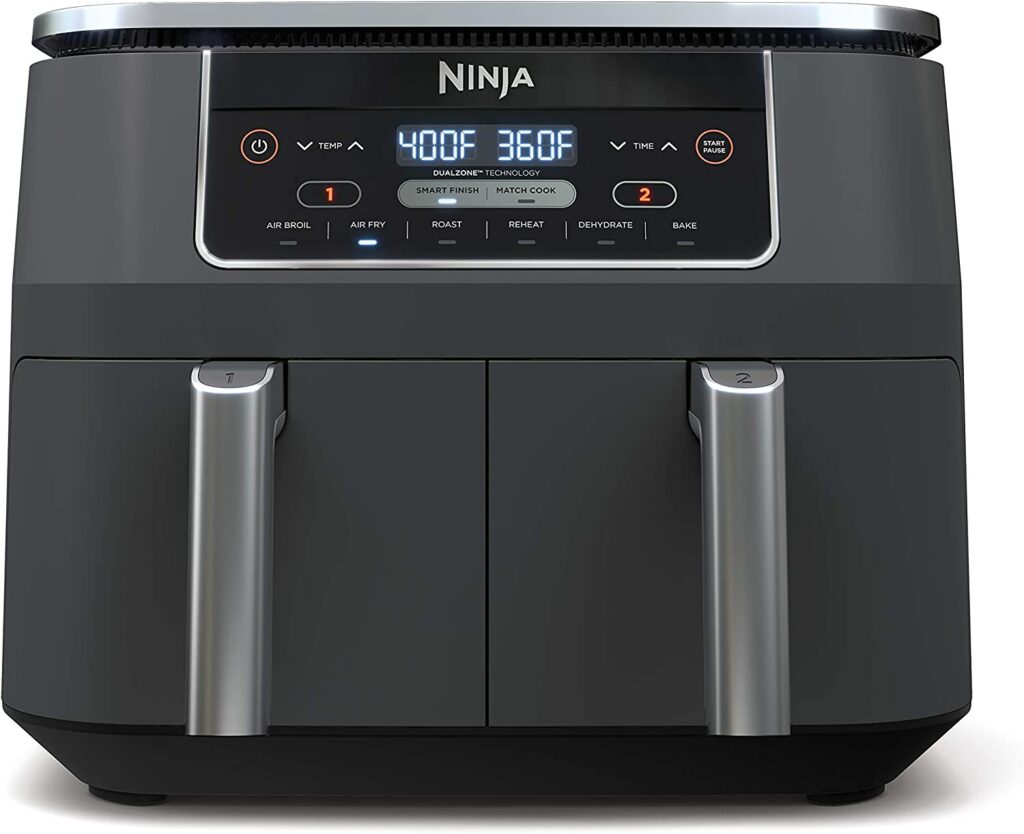
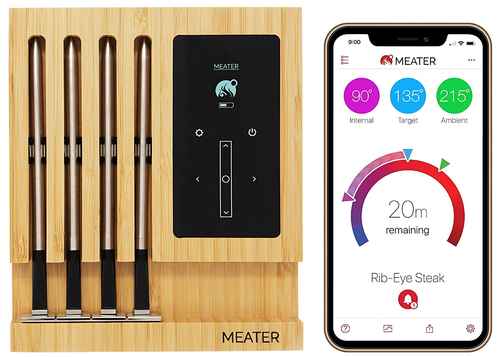
Mahi-mahi, often called dolphinfish or dorado, is a vibrant, lean fish with firm, slightly sweet flesh that holds up beautifully to various cooking methods. Its mild flavor makes it a versatile canvas for spices, marinades, and sauces. Traditionally, mahi-mahi is grilled, baked, or pan-seared, but the rise of air fryers has transformed how home cooks approach this delicate protein. Air fryers provide a method to achieve a perfectly cooked, golden exterior while maintaining the fish’s moist, flaky interior-all without excessive oil or complicated techniques. Understanding the nuances of temperature, cooking time, and doneness is crucial to unlocking the full potential of mahi-mahi in an air fryer.
Optimal Air Fryer Temperature To Cook Mahi In Air Fryer
Temperature is the cornerstone of air fryer success. For mahi-mahi, the optimal cooking temperature generally ranges between 375°F and 400°F (190°C-204°C). This range balances the need to cook the fish thoroughly while preventing the exterior from drying out or burning. Cooking at a lower temperature, around 350°F, can result in gentler cooking and more even heat penetration, but it may not produce the desirable golden, slightly crisp exterior that an air fryer excels at. Conversely, cooking above 400°F can lead to rapid moisture loss, leaving the fish dry and tough. A mid-range temperature of 390°F (199°C) often achieves the perfect compromise, delivering a crisp, flavorful surface with a tender, succulent interior.
How Long To Cook Mahi In Air Fryer
Cooking time for mahi-mahi depends on both the thickness of the fillet and the temperature chosen. As a general guideline:
- For 1-inch thick fillets at 375-390°F, cook for 10-12 minutes, flipping halfway through.
- Thinner fillets (½-¾ inch) require 6-8 minutes, while thicker cuts (1.5 inches or more) may need 12-15 minutes.
It’s important to note that air fryers vary in airflow, wattage, and basket design, which can slightly alter cooking times. Consistent monitoring, especially during the first attempt with a new appliance, ensures optimal results without overcooking.
How To Tell If It Is Done
Mahi-mahi is fully cooked when it reaches an internal temperature of 145°F (63°C). If you don’t have a thermometer, visual cues can help:
- The flesh becomes opaque and pearly white rather than translucent.
- The fillet flakes easily when pressed with a fork, separating into distinct sections.
- There should be no raw, jelly-like center, especially near the thickest part.
Overcooked mahi-mahi appears dry and chalky, while undercooked fish is soft, translucent, and lacks the delicate flakiness that defines properly cooked fillets.
Ingredients Needed
To prepare air-fried mahi-mahi, you’ll need a combination of fresh fish and simple seasonings:
- Mahi-mahi fillets (fresh or thawed; approximately 6-8 oz each)
- Olive oil or cooking spray (to lightly coat the fillets)
- Salt and pepper (to taste)
-
Optional flavor enhancers:
- Lemon juice or zest
- Garlic powder or minced garlic
- Paprika or smoked paprika
- Dried herbs like thyme, oregano, or parsley
- Chili flakes for a subtle kick
This basic combination can be customized with marinades, glazes, or spice blends depending on your culinary preferences.
How To Cook Mahi In Air Fryer
- Preheat the air fryer: Set to 390°F for even cooking. Preheating ensures the fillets sear instantly rather than slowly steaming.
- Prepare the fillets: Pat dry with paper towels. Lightly brush or spray both sides with olive oil, then season generously with salt, pepper, and optional spices.
- Place in the air fryer: Arrange fillets in a single layer, leaving space between each piece to allow air circulation.
- Cook: Air fry for 10-12 minutes, flipping halfway through.
- Check doneness: Use a thermometer or the flake test described above.
- Rest and serve: Let the fillets rest for 2-3 minutes before serving to allow residual heat to finish cooking the fish evenly. Garnish with lemon or fresh herbs.
What If I Use A Different Air Fryer Temperature?
Adjusting the temperature affects cooking speed and texture:
- Lower temperatures (350-365°F): Slower cooking preserves moisture but may result in less browning. Ideal for delicate fillets or thick cuts.
- Higher temperatures (400-420°F): Faster cooking can create a golden crust but risks drying out the fish. Watch closely and reduce time slightly to prevent overcooking.
Understanding the trade-off between time and temperature is key-high heat demands vigilance, while lower heat requires patience.
What If I Use A Different Air Fryer Cooking Time?
Time adjustments should correspond with both thickness and temperature:
- Shorter time: Fish may remain undercooked in the center; use the internal temperature check to ensure safety.
- Longer time: Can result in dry, tough fillets. If unsure, it’s safer to slightly undercook initially, then check and extend cooking in 1-2 minute increments.
The fish’s thickness and personal preference for flakiness versus firmness are the main variables here.
When Things Go Wrong
Even with an air fryer, mishaps can occur:
- Dry fish: Usually from overcooking or excessive heat. Remedy: brush with a bit of melted butter or olive oil after cooking.
- Undercooked center: Simply return fillets to the air fryer for a few additional minutes; check every 2 minutes to prevent overshooting.
- Uneven cooking: Often due to overcrowding the basket. Always leave space between fillets for proper airflow.
- Burnt seasoning: Reduce oil or lower the temperature next time, and consider adding delicate spices after cooking.
Learning from these errors allows consistent success on subsequent attempts.
Expert Tips
- Pat dry before cooking: Moisture on the fillet’s surface inhibits browning.
- Oil lightly: Just enough to encourage crisping; too much can create a soggy texture.
- Flip halfway: Promotes even browning and cooking.
- Preheat air fryer: Ensures instant searing and reduces sticking.
- Experiment with marinades: Citrus, soy, and ginger-based marinades enhance flavor without overwhelming the natural taste.
- Use a thermometer: A 145°F internal temperature guarantees perfectly cooked fish every time.
FAQs
What Is The Best Way To Prepare Mahi-mahi For The Air Fryer?
To prepare mahi-mahi for the air fryer, start by patting the fillets dry with paper towels to remove excess moisture. Lightly coat them with olive oil or a cooking spray, then season with salt, pepper, garlic powder, paprika, or your preferred spices. For added flavor, you can marinate the fillets for 15-30 minutes before cooking.
What Temperature Should I Set My Air Fryer To Cook Mahi-mahi?
For optimal results, preheat the air fryer to 375°F (190°C). This temperature allows the fish to cook evenly while achieving a lightly crispy exterior without drying out the delicate flesh.
How Long Should Mahi-mahi Cook In An Air Fryer?
Cook mahi-mahi fillets in the air fryer for 8-12 minutes, depending on the thickness of the fillet. Flip the fillets halfway through the cooking time to ensure even browning. The internal temperature should reach 145°F (63°C) when fully cooked.
Should I Use Foil Or Parchment Paper In The Air Fryer When Cooking Mahi-mahi?
You can use foil or parchment paper to prevent sticking, but ensure there is enough space around the fillets for air circulation. Avoid covering the entire basket as it can block airflow and affect cooking efficiency.
Can I Cook Frozen Mahi-mahi In The Air Fryer?
Yes, frozen mahi-mahi can be cooked in the air fryer. Preheat the air fryer to 380°F (193°C) and cook the fillets for 12-16 minutes, flipping halfway through. It is recommended to rinse off any ice crystals and pat the fillets dry before cooking.
How Can I Tell When Mahi-mahi Is Done In The Air Fryer?
Mahi-mahi is done when it flakes easily with a fork and reaches an internal temperature of 145°F (63°C). The exterior should be lightly browned, while the interior remains moist and opaque.
What Are Some Tips For Making Air Fryer Mahi-mahi Extra Flavorful?
Enhance the flavor by marinating the fillets in lemon juice, olive oil, garlic, and herbs for 15-30 minutes before cooking. You can also sprinkle with paprika or smoked paprika for a subtle smoky taste. Serving with a squeeze of fresh lemon or a homemade sauce can elevate the flavor after cooking.