
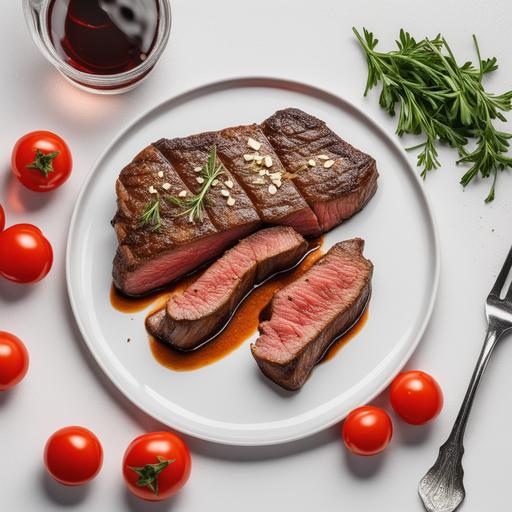
How To Cook Thin Steak In Air Fryer [FULL GUIDE]
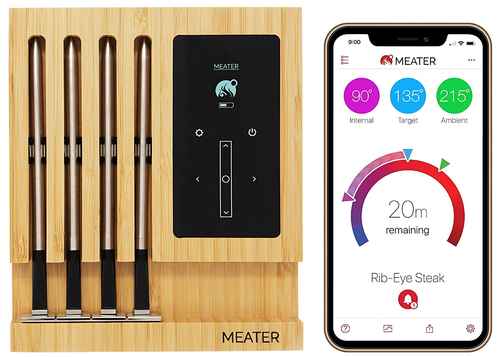
Recommended Equipments:
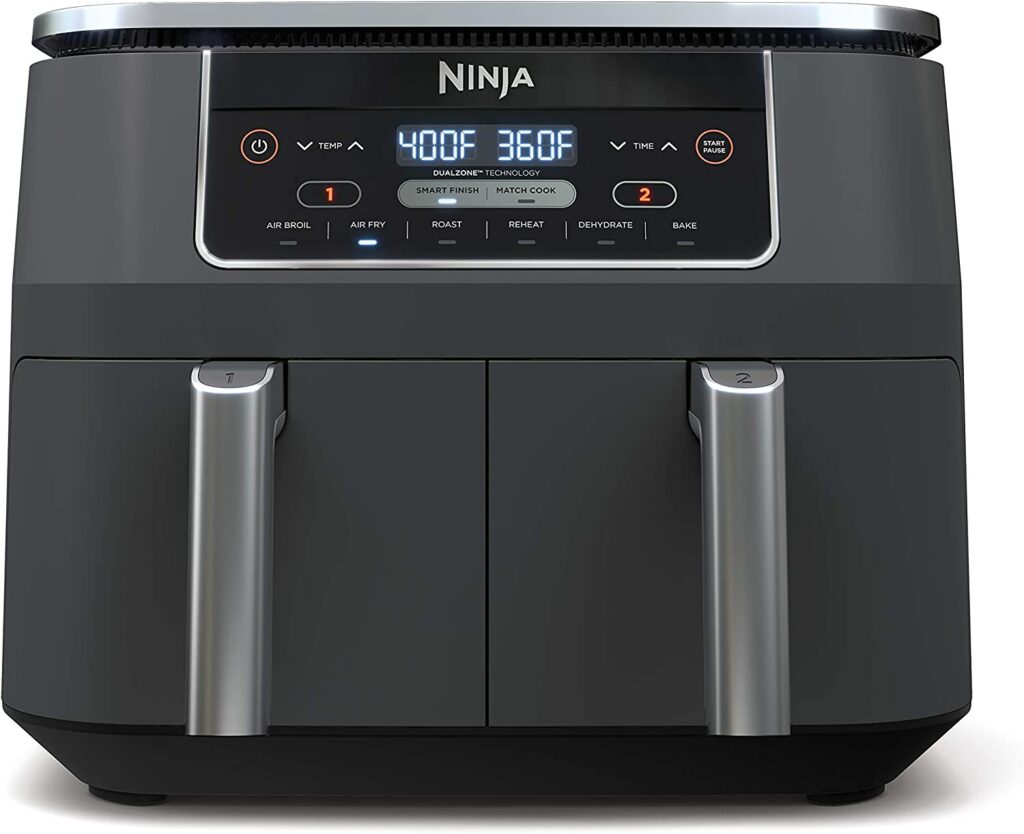
Cooking steak in an air fryer is a revolutionary approach that combines convenience, speed, and flavor without sacrificing the essential qualities of a perfectly cooked steak. While traditional pan-searing or grilling requires careful attention, air fryers simplify the process by circulating hot air around the meat, ensuring a consistent sear and even cooking. Thin steaks-typically less than one inch thick-pose a unique challenge. Their reduced thickness means they cook almost instantly, leaving little room for error. Overcooking can quickly lead to a dry, tough result, while undercooking might leave an unappetizing raw interior. This guide delves into the science, methods, and practical tips for mastering the art of cooking thin steak in an air fryer.
Optimal Air Fryer Temperature To Cook Thin Steak In Air Fryer
Temperature control is the cornerstone of perfectly cooked steak, and thin cuts are particularly sensitive. The ideal temperature for air frying thin steak typically ranges between 400°F to 425°F (204°C to 218°C). This high heat ensures that the surface of the steak sears quickly, locking in juices, while the short cooking time prevents the interior from drying out.
Lower temperatures, such as 350°F, may result in an evenly cooked steak but sacrifice the rich, caramelized crust that gives steak its signature flavor. Conversely, temperatures above 450°F can produce a charred exterior while leaving the interior underdone if not carefully monitored. Achieving the optimal balance is a combination of temperature, steak thickness, and timing.
How Long To Cook Thin Steak In Air Fryer
Thin steaks cook remarkably fast due to their size. Depending on the thickness, the air fryer typically requires 4 to 6 minutes per side for a steak that is approximately ½ inch thick. For a slightly thicker cut approaching ¾ inch, you may need 6 to 8 minutes per side.
It’s important to note that these times are estimates and depend on the air fryer model, the initial temperature of the steak, and whether you prefer rare, medium, or well-done doneness. Overcooking by even one or two minutes can significantly impact texture and juiciness.
How To Tell If It Is Done
Determining doneness without cutting into the steak requires a combination of touch, timing, and sometimes a thermometer:
- Rare: Soft to the touch, resembling the feel of the fleshy area at the base of your thumb when your hand is relaxed. Internal temperature ~125°F (52°C).
- Medium-Rare: Slightly firmer with some resistance. Internal temperature ~135°F (57°C).
- Medium: Firm but still yielding. Internal temperature ~145°F (63°C).
- Medium-Well: Quite firm with minimal give. Internal temperature ~150°F (66°C).
- Well-Done: Very firm with little to no spring. Internal temperature ~160°F (71°C) and above.
Using a meat thermometer is highly recommended for precision, especially with thin cuts where overcooking happens quickly.
Ingredients Needed
To achieve the perfect thin steak in an air fryer, you’ll need:
- Thin steak (½ inch to ¾ inch thick, such as flank, sirloin, or ribeye)
- Olive oil or another neutral oil
- Salt (preferably kosher or sea salt)
- Freshly ground black pepper
- Optional aromatics: garlic powder, smoked paprika, fresh rosemary, or thyme
- Optional finishing butter for added richness
The simplicity of the ingredients ensures the natural flavor of the steak shines, while optional seasonings enhance the aromatic profile.
How To Cook Thin Steak In Air Fryer
- Preheat the Air Fryer: Preheating ensures the steak starts cooking immediately, promoting a seared crust. Set the temperature to 400°F-425°F.
- Prepare the Steak: Pat the steak dry with paper towels. Lightly brush both sides with olive oil and season generously with salt, pepper, and optional spices.
- Arrange in Air Fryer: Place the steak in the basket, ensuring it lies flat and does not overlap. Overcrowding prevents proper air circulation and searing.
- Cook: Air fry the steak for 4-6 minutes per side, flipping halfway.
- Check Doneness: Use a meat thermometer or the touch method to assess internal temperature.
- Rest: Allow the steak to rest for 3-5 minutes outside the air fryer to let the juices redistribute before slicing.
What If I Use A Different Air Fryer Temperature?
Adjusting the temperature affects both cooking time and the texture of the steak:
- Lower Temperatures (350°F): Produces a more evenly cooked steak but a less pronounced crust. May require a slightly longer cooking time.
- Higher Temperatures (450°F+): Creates a stronger sear and richer browning. The risk is that the exterior may burn while the interior remains underdone if timing is not adjusted precisely.
Understanding your air fryer’s heat intensity and air circulation patterns is key to adjusting temperatures successfully.
What If I Use A Different Air Fryer Cooking Time?
Time adjustments directly impact doneness:
- Shorter Cooking Times: Will leave the steak rare or undercooked in the center.
- Longer Cooking Times: Will result in a drier, overcooked steak.
Always monitor closely, especially with thin cuts, because even one or two minutes can drastically change the outcome. Using a thermometer mitigates guesswork.
When Things Go Wrong
Common issues and fixes:
- Steak is Tough or Dry: Likely overcooked. Reduce temperature or cook time next attempt. Resting the steak longer can help slightly recover juiciness.
- Steak Lacks a Crust: Surface wasn’t dry, or oil/seasons were insufficient. Pat dry and increase heat slightly.
- Uneven Cooking: Air fryer basket overcrowding or steak thickness variation. Ensure a single layer with space for air circulation.
Even experienced cooks encounter these issues; the key is adjusting and observing carefully.
Expert Tips
- Pat Steak Dry: Moisture inhibits browning; a dry steak creates a crisp, flavorful crust.
- Thin Oil Layer: Avoid over-oiling; just enough to promote browning without excessive smoke.
- Flip Once: Minimizes moisture loss and promotes even cooking.
- Preheat the Air Fryer: Essential for instant searing.
- Use a Thermometer: Especially with thin cuts, don’t rely solely on timing.
- Let It Rest: Juices redistribute, preventing dry slices.
- Experiment with Seasoning: Simple salt and pepper work, but garlic, smoked paprika, or a finishing herb butter elevates flavor.
FAQs
What Is The Best Thickness For A Steak To Cook In An Air Fryer?
Thin steaks, ideally between 1/4 inch to 3/4 inch thick, cook most evenly in an air fryer. Thinner cuts allow for faster cooking and better browning without drying out, while thicker cuts may require longer cooking times or pre-searing for optimal results.
How Do I Prepare A Thin Steak Before Air Frying?
Pat the steak dry with paper towels, season it with salt, pepper, and any desired spices, and optionally brush with a light coat of oil. This helps achieve a better sear and prevents sticking. Let the steak sit at room temperature for 10-15 minutes before cooking for more even heat distribution.
What Temperature Should I Use To Cook A Thin Steak In An Air Fryer?
Set the air fryer to 400°F (204°C) for most thin steaks. This high heat allows the steak to sear quickly, locking in juices while achieving a nice exterior crust. Adjust slightly if the steak is extremely thin to avoid overcooking.
How Long Should I Cook A Thin Steak In An Air Fryer?
Cooking times vary depending on thickness and desired doneness. For a steak around 1/2 inch thick: cook 4-5 minutes for rare, 5-6 minutes for medium-rare, 6-7 minutes for medium, flipping halfway through. Always use a meat thermometer for precise results.
Should I Flip The Steak While Cooking In The Air Fryer?
Yes, flipping the steak halfway through cooking ensures even browning on both sides. Thin steaks cook quickly, so check after a few minutes to prevent overcooking.
How Do I Prevent A Thin Steak From Becoming Dry In An Air Fryer?
Avoid overcooking by monitoring the steak closely and using a meat thermometer. A light coating of oil and letting the steak rest for 5 minutes after cooking allows juices to redistribute, keeping it tender and flavorful.
Can I Cook Frozen Thin Steak In An Air Fryer?
Yes, but it may cook unevenly if frozen solid. For best results, thaw the steak in the refrigerator first, pat dry, and then season. If cooking from frozen, increase cooking time slightly and check doneness carefully to avoid a tough texture.