
How To Dehydrate Oranges In Air Fryer [FULL GUIDE]
Recommended Equipments:
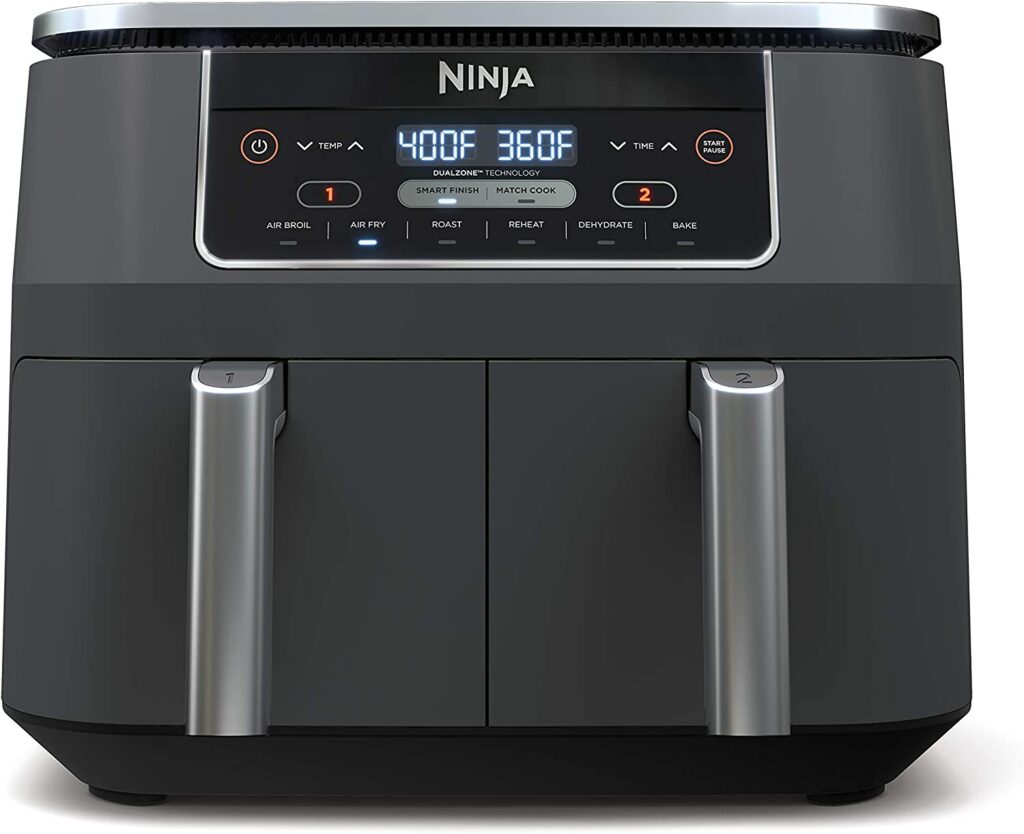
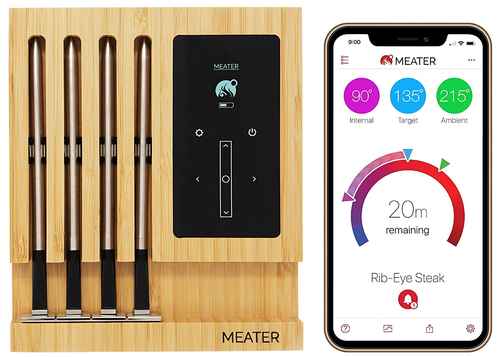
Dehydrating oranges is a delightful way to preserve the bright, zesty flavor of citrus while creating a versatile ingredient for cooking, baking, or snacking. Unlike traditional oven or sun-drying methods, using an air fryer offers a faster, energy-efficient alternative that still retains the orange’s vibrant aroma and natural sweetness. Air fryers, with their rapid hot-air circulation, ensure even dehydration without the need for constant monitoring. Beyond the convenience, dehydrated oranges are a natural source of fiber, vitamin C, and antioxidants, making them both a tasty and healthy addition to teas, desserts, or trail mixes. Learning how to dehydrate oranges in an air fryer is not only practical but also opens the door to experimenting with other fruits and even citrus peels.
Optimal Air Fryer Temperature To Dehydrate Oranges In Air Fryer
Temperature control is critical when dehydrating oranges to prevent burning, uneven drying, or loss of flavor. Most air fryers perform best at low and consistent temperatures for dehydration purposes. The optimal temperature range for dehydrating orange slices is 120°F to 135°F (50°C to 57°C).
- Why low temperatures matter: High heat can cook the fruit rather than dehydrate it, causing the sugars to caramelize and the texture to become tough or rubbery.
- Maintaining uniform heat: Air fryers circulate hot air rapidly, so it’s essential to arrange the orange slices in a single layer with space between them, allowing air to reach all surfaces evenly.
Some air fryers may not go as low as 120°F. In those cases, setting the temperature to the lowest possible setting (often 135-140°F) and checking progress frequently is recommended.
How Long To Dehydrate Oranges In Air Fryer
The time needed to fully dehydrate orange slices depends on their thickness, moisture content, and the air fryer’s power. On average:
- Thin slices (1/8 inch or ~3mm): 2.5-3.5 hours
- Medium slices (1/4 inch or ~6mm): 3.5-4.5 hours
- Thicker slices (1/2 inch or ~12mm): 5-6 hours
For best results, check slices periodically after the first 2 hours. Rotating trays or flipping slices halfway through helps achieve even dehydration. Keep in mind that air fryer models vary, so these times are approximate, and visual inspection is essential.
How To Tell If It Is Done
Properly dehydrated orange slices should meet these criteria:
- Texture: They should feel dry to the touch but still slightly pliable. Overly brittle slices may have been left too long.
- Moisture: There should be no visible moisture or sticky spots. If a slice is bent, it shouldn’t snap immediately.
- Appearance: The peel and pulp should appear slightly darker, translucent, and shriveled compared to fresh slices.
A quick test is to allow a slice to cool completely and then press it gently between fingers. If no water is released and it holds its shape, it’s done.
Ingredients Needed
Dehydrating oranges requires minimal ingredients, highlighting the natural flavor of the fruit:
- Fresh oranges: Choose firm, juicy oranges with thin, intact skins. Navel, Valencia, or blood oranges work well.
- Optional: A light dusting of sugar or cinnamon for flavored slices. Avoid salt, as it can draw out excessive moisture.
No oils or additional liquids are necessary; the goal is to remove moisture while retaining natural sweetness.
How To Dehydrate Oranges In Air Fryer
- Prepare the oranges: Wash thoroughly, then slice into 1/8-1/4 inch slices. Remove seeds if possible.
- Preheat the air fryer: Set temperature to 120-135°F (50-57°C).
- Arrange slices: Place oranges in a single layer on the air fryer basket or tray. Ensure no overlapping to allow uniform airflow.
- Dehydrate: Cook for 2.5-4.5 hours depending on slice thickness. Flip halfway through for even drying.
- Check progress: Begin checking after 2 hours. Remove slices once they feel dry but slightly pliable.
- Cool and store: Allow slices to cool completely before storing in an airtight container at room temperature or in the fridge for extended shelf life.
What If I Use A Different Air Fryer Temperature?
- Higher temperature (above 150°F / 65°C): The slices may cook rather than dehydrate, becoming hard, browned, or caramelized. The natural sugars can burn, altering taste.
- Lower temperature (below 120°F / 50°C): Dehydration will be slower, increasing total drying time. While this preserves flavor well, it requires more patience and careful monitoring to prevent spoilage.
What If I Use A Different Air Fryer Cooking Time?
- Shorter time: Slices may remain moist and risk mold if stored. The flavor and shelf life will be compromised.
- Longer time: Over-dehydration can lead to brittle slices, excessive bitterness from the peel, and a loss of aromatic oils. Checking periodically ensures slices retain optimal texture.
When Things Go Wrong
Even small mistakes can affect the outcome. Common issues include:
- Uneven drying: Caused by overlapping slices or insufficient flipping.
- Burnt edges: Often a result of high temperature or thin slices placed too close to heating elements.
- Sticky or moist slices: Indicative of insufficient dehydration time. Extending the drying period at low heat can help.
- Loss of flavor or aroma: Overly long or high-heat drying may cause volatile oils to evaporate.
Solutions involve adjusting temperature, spacing slices properly, or reducing slice thickness.
Expert Tips
- Uniform thickness: Use a mandoline slicer to ensure slices dry evenly.
- Airflow matters: Avoid stacking slices. Some air fryers allow you to rotate trays; this improves consistency.
- Pre-dry thicker slices: For extra juicy oranges, blot excess moisture with a paper towel before dehydrating.
- Enhance flavor naturally: Lightly dust slices with cinnamon or ginger before drying for a unique twist.
- Storage: Use airtight jars or vacuum-sealed bags to maintain crispness and prevent moisture reabsorption.
- Use for multiple purposes: Dehydrated oranges are excellent for teas, garnishes, potpourri, or even cocktail infusions.
FAQs
What Type Of Oranges Are Best For Dehydrating In An Air Fryer?
Navel and Valencia oranges are ideal for dehydrating because they have a firm texture and relatively low seed content. Blood oranges can also be used for a vibrant color, but ensure they are ripe yet firm to avoid excess moisture that can prolong drying time.
How Should I Prepare Oranges Before Dehydrating Them In An Air Fryer?
Wash the oranges thoroughly, then peel them if desired, though leaving the peel on can add flavor. Slice the oranges uniformly into 1/8 to 1/4 inch thick rounds to ensure even dehydration. Remove any seeds to prevent bitterness and uneven drying.
What Temperature And Time Settings Should I Use For Dehydrating Oranges In An Air Fryer?
Set the air fryer to a low temperature, typically around 135°F to 145°F (57°C to 63°C). Dehydration usually takes between 6 to 10 hours, depending on slice thickness, water content, and air fryer model. Check periodically and rotate slices if your air fryer has hotspots.
Do I Need To Use Parchment Paper Or A Tray Liner In The Air Fryer?
Using parchment paper or a silicone liner is recommended to prevent the orange slices from sticking and to allow even airflow around the slices. Ensure the paper does not block the air vents, as proper air circulation is essential for effective dehydration.
How Can I Tell When The Orange Slices Are Fully Dehydrated?
Fully dehydrated orange slices should be leathery or slightly crisp with no visible moisture. They should bend without tearing, and the surface should appear dry. If any sticky or wet spots remain, continue dehydrating until completely dry.
How Should Dehydrated Orange Slices Be Stored?
Store dehydrated oranges in an airtight container in a cool, dry place away from direct sunlight. For longer storage, vacuum-sealed bags or glass jars with silica packets can help maintain crispness. Properly stored, dehydrated oranges can last for up to 6 months.
Can I Use Dehydrated Orange Slices For Recipes Or Beverages?
Yes, dehydrated oranges can be used in teas, cocktails, baking, or as garnish for dishes. They also work well in homemade potpourri or infused water. Rehydrating in warm water can restore some of their original texture if needed for recipes.