
How To Dehydrate Herbs In Air Fryer [FULL GUIDE]
Recommended Equipments:
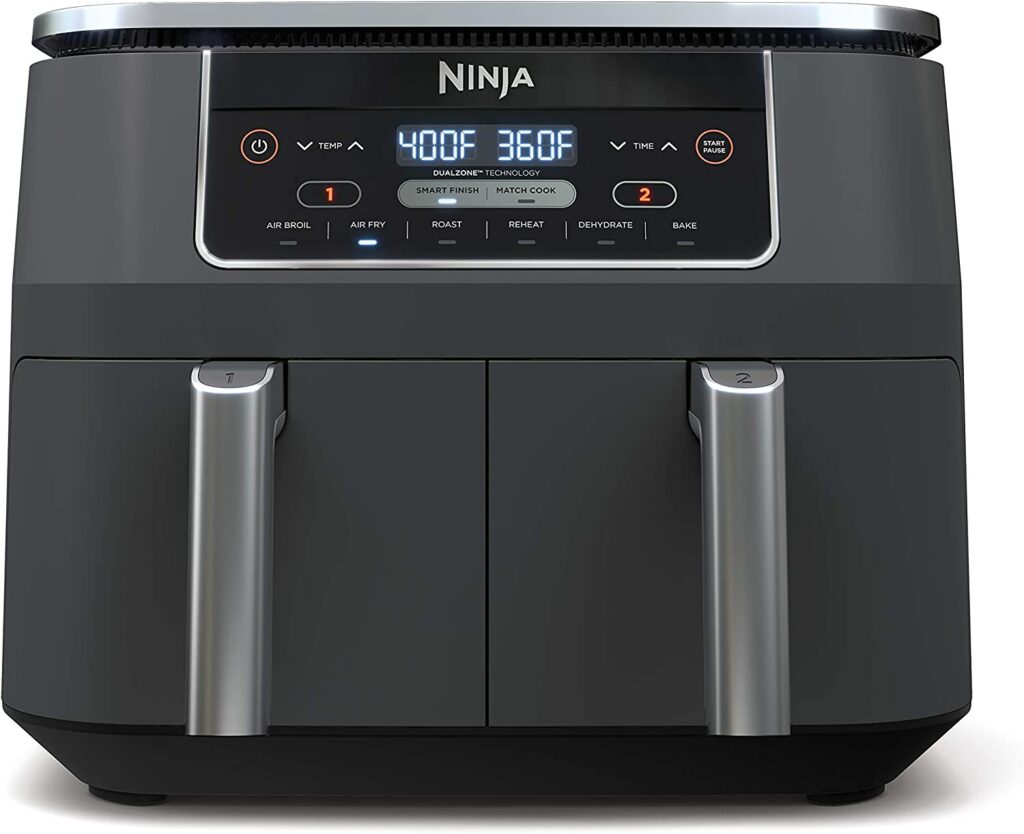

Dehydrating herbs is an age-old culinary practice that preserves the vibrant flavors and aromas of fresh herbs long after their harvest. Traditionally, this process has been done using ovens, dehydrators, or simply by air-drying. However, the modern kitchen innovation of the air fryer has opened a new, efficient pathway for dehydrating herbs. Air fryers, known for their rapid hot-air circulation and precise temperature control, can effectively remove moisture from herbs without compromising their delicate flavors and essential oils. This method offers a significant advantage: a reduced time commitment and a more controlled drying environment compared to conventional techniques. Whether you’re a home cook looking to stock up your spice cabinet or an herbal enthusiast seeking to preserve the essence of your garden, understanding how to use an air fryer for herb dehydration is a game-changer.
Optimal Air Fryer Temperature To Dehydrate Herbs In Air Fryer
The key to successful herb dehydration is controlling the temperature carefully. Most herbs contain delicate volatile oils that are highly sensitive to heat. Temperatures that are too high can cause these oils to dissipate, resulting in herbs that are dry but lack their aromatic punch. On the other hand, too low a temperature may prolong the dehydration process unnecessarily, or leave moisture behind that could cause mold during storage.
For air fryers, the optimal temperature range for dehydrating herbs is typically 95°F to 115°F (35°C to 46°C). If your air fryer only allows higher minimum settings, you can use the ’warm’ function if available, or set it to 120°F (49°C) while checking frequently. This gentle heat ensures gradual moisture evaporation while preserving both color and flavor. Delicate leaves like basil, mint, and parsley require lower temperatures, while sturdier herbs such as rosemary, thyme, and oregano can tolerate slightly higher heat without damage.
How Long To Dehydrate Herbs In Air Fryer
Dehydration time in an air fryer is influenced by several factors, including herb type, leaf thickness, moisture content, and the batch size. As a general guideline:
- Soft, leafy herbs (basil, parsley, cilantro, mint): 30-45 minutes
- Sturdier, woody herbs (rosemary, thyme, sage, oregano): 40-60 minutes
It’s essential to check intermittently-opening the air fryer every 10-15 minutes to stir the leaves ensures even drying and prevents scorching. Small batches dry more evenly and faster than overcrowded trays. If herbs are stacked or bunched too closely, moisture can get trapped, extending drying times significantly.
How To Tell If It Is Done
Properly dehydrated herbs should be crisp, brittle, and crumble easily between your fingers. A few key indicators:
- Texture: Leaves should snap or crumble effortlessly; no soft spots should remain.
- Color: Vibrant green or characteristic color should be retained; dull or brown leaves suggest overheating.
- Aroma: Fragrance should be intensified, not lost.
- Moisture check: Tear a leaf; if any water droplets appear or the leaf feels pliable, it needs more time.
Over-dried herbs can turn brown and flavorless, while under-dried herbs may mold in storage.
Ingredients Needed
Dehydrating herbs in an air fryer requires minimal ingredients:
- Fresh herbs of your choice (basil, thyme, rosemary, oregano, parsley, mint, sage, etc.)
- Optional: A clean, dry paper towel or mesh liner to prevent leaves from sticking
- Optional: Airtight containers or jars for storage after dehydration
Fresh, undamaged leaves will yield the best results. Avoid herbs that are already wilted or starting to discolor.
How To Dehydrate Herbs In Air Fryer
- Prepare the herbs: Rinse gently under cold water to remove dirt or debris. Pat completely dry with a paper towel; excess moisture prolongs drying and can cause uneven results.
- Remove stems: For leafy herbs, strip leaves from thick stems. Woody herbs like rosemary and thyme can be left on the stems.
- Arrange in air fryer: Spread herbs in a single layer on the basket tray. Avoid overcrowding; airflow is crucial for even dehydration.
- Set temperature: Select 95-115°F (35-46°C) or use the ’warm’ setting.
- Monitor: Dehydrate for 30-60 minutes depending on herb type. Shake or stir every 10-15 minutes to ensure uniform drying.
- Check for doneness: Refer to the previous section. When fully dry, remove herbs immediately to prevent residual heat from overcooking.
- Store: Allow herbs to cool completely, then store in airtight jars away from light and heat. Properly dehydrated herbs can last 6-12 months.
What If I Use A Different Air Fryer Temperature?
Using a higher temperature accelerates dehydration but risks:
- Loss of flavor and aroma due to volatilization of essential oils
- Browning or burning of leaves
- Uneven drying, especially in softer herbs
Using a lower temperature will slow the process but generally preserves flavor. If experimenting outside the 95-115°F range, it’s essential to monitor frequently and adjust timing to avoid over-drying or scorching.
What If I Use A Different Air Fryer Cooking Time?
Extending the cooking time at the correct temperature ensures thorough drying but can:
- Cause color degradation
- Intensify flavor to the point of bitterness in some herbs
Shortening the time may leave herbs partially moist, risking mold during storage. Always use the crumble test to confirm doneness rather than relying solely on the clock.
When Things Go Wrong
Even with careful attention, mistakes can happen:
- Burnt or brown herbs: Temperature too high or herbs left too long. Remedy: Start over with fresh herbs.
- Moldy herbs after storage: Herbs were under-dried or stored in non-airtight containers. Remedy: Dry thoroughly next time and store in moisture-free conditions.
- Uneven drying: Overcrowding or uneven air circulation. Remedy: Reduce batch size and shake herbs regularly.
These errors are common learning experiences. Adjusting temperature, timing, and batch size usually resolves most issues.
Expert Tips
- Use parchment or mesh liners: Prevent herbs from sticking and promote airflow.
- Dry in small batches: Crowding reduces air circulation and slows drying.
- Rotate baskets or trays: If your air fryer has multiple layers, rotate them periodically.
- Store correctly: Light, heat, and humidity degrade flavor. Dark, airtight containers are best.
- Label jars with date and herb type: Helps track freshness and usage.
- Experiment with temperature slightly: Every air fryer behaves differently; start low and adjust gradually.
FAQs
What Herbs Can I Dehydrate In An Air Fryer?
Most fresh herbs can be successfully dehydrated in an air fryer, including basil, thyme, oregano, rosemary, parsley, cilantro, and mint. Delicate herbs like basil and parsley require lower temperatures and shorter dehydration times, while sturdier herbs such as rosemary and thyme can tolerate slightly higher temperatures.
What Temperature Should I Use To Dehydrate Herbs In An Air Fryer?
For most herbs, a temperature range of 95-115°F (35-46°C) works best for gentle dehydration. If your air fryer cannot go this low, set it to the lowest possible setting and monitor the herbs closely to prevent burning.
How Long Does It Take To Dehydrate Herbs In An Air Fryer?
The dehydration time varies depending on the herb type, leaf thickness, and air fryer model. Generally, it takes between 1 and 4 hours. Delicate herbs like cilantro may dry in 1-2 hours, while thick-leaved herbs like rosemary can take 3-4 hours. Check periodically to avoid over-drying.
Do I Need To Prepare Herbs Before Dehydrating Them In An Air Fryer?
Yes, preparation improves the quality of dried herbs. Start by rinsing the herbs gently to remove dirt, then pat them completely dry with a towel. Remove excess stems, especially for herbs like thyme and rosemary, to ensure even drying.
Can I Dehydrate Herbs In An Air Fryer Basket Without Parchment Paper?
Yes, you can place herbs directly in the air fryer basket if it has a mesh or perforated surface that allows airflow. For smaller or delicate herbs that may fall through, using parchment paper or a fine mesh tray is recommended to prevent loss and ensure even drying.
How Do I Know When The Herbs Are Fully Dehydrated In An Air Fryer?
Herbs are fully dehydrated when the leaves crumble easily between your fingers and no moisture remains. Stems should be brittle. If any leaves remain soft or flexible, they need more drying time. Proper dehydration helps prevent mold and preserves flavor.
How Should I Store Herbs After Dehydrating Them In An Air Fryer?
Store dehydrated herbs in airtight containers, such as glass jars or vacuum-sealed bags, away from sunlight and heat. Label the containers with the herb name and date. Properly dried and stored herbs can retain their flavor for 6-12 months.