
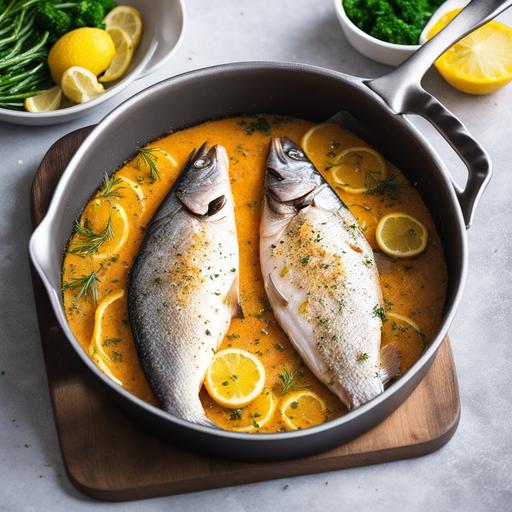
How To Grill Fish In Air Fryer [FULL GUIDE]
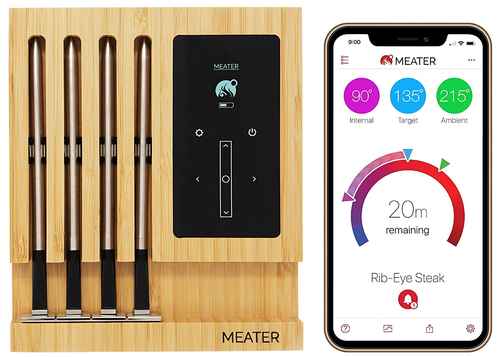
Recommended Equipments:
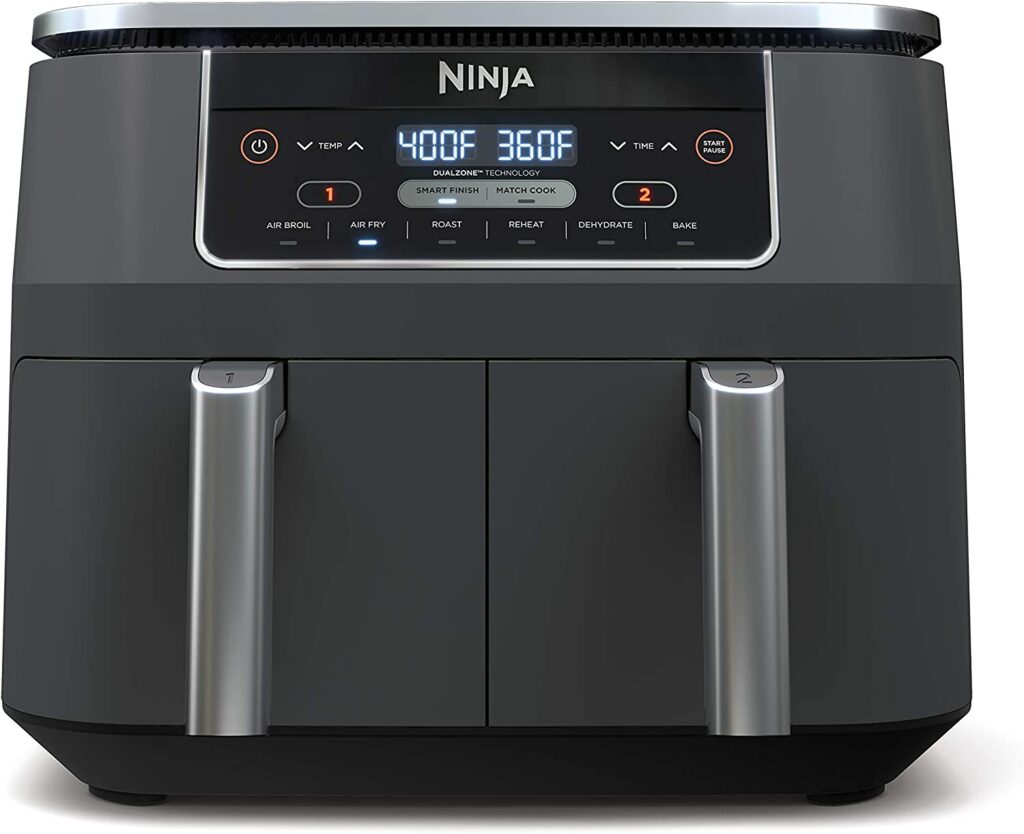
Grilling fish has long been celebrated as a culinary delight, offering a tender, flaky texture and a subtle, nuanced flavor that is both light and satisfying. Traditionally, achieving that perfectly grilled finish required outdoor grills, precise timing, and careful attention to avoid overcooking. However, with the advent of air fryers, this process has been revolutionized. Air fryers combine convection cooking with rapid hot air circulation, allowing fish to achieve a crispy, golden exterior while maintaining a moist, succulent interior-without the need for excess oil or constant monitoring. Air fryer grilling is not only faster and cleaner but also ensures that delicate fish varieties, from salmon to cod, are cooked evenly, preserving their nutritional integrity and natural flavors. This guide delves into the science, technique, and nuances of grilling fish in an air fryer, providing everything you need to become a home chef capable of producing restaurant-quality results.
Optimal Air Fryer Temperature To Grill Fish In Air Fryer
Temperature control is paramount when grilling fish, as different species vary in density, thickness, and fat content. Generally, the optimal temperature for air fryer grilling ranges between 375°F to 400°F (190°C to 204°C).
- 375°F (190°C): Ideal for delicate, thin fillets such as tilapia or flounder. This slightly lower temperature ensures the fish cooks evenly without drying out.
- 400°F (204°C): Best for thicker or fattier fish like salmon, swordfish, or tuna. The higher heat promotes a beautifully caramelized exterior while locking in moisture.
A critical point to note is that the air fryer’s rapid convection airflow means the fish’s surface will cook more quickly than with traditional baking or grilling. Thus, maintaining an appropriate temperature is crucial to avoid overcooking or a dry texture.
How Long To Grill Fish In Air Fryer
The cooking time depends largely on the thickness and type of fish. As a general rule:
- Thin fillets (less than 1 inch thick): 7-9 minutes
- Medium fillets (1-1.5 inches thick): 10-12 minutes
- Thick fillets or steaks (over 1.5 inches): 12-15 minutes
Flip the fillets halfway through the cooking time to ensure even browning and a crisp exterior. It’s important to remember that air fryers can vary in efficiency, so these times may require minor adjustment depending on your model.
How To Tell If It Is Done
Determining doneness in fish is both an art and a science. Here are the most reliable indicators:
- Internal Temperature: Use a meat thermometer; fish is safely cooked at 145°F (63°C).
- Flakiness: Gently press the fish with a fork. If it flakes easily along the natural lines of the flesh, it is done.
- Opacity: Raw fish is translucent. Fully cooked fish will appear opaque and firm.
- Juice Test: The juices should run clear, not milky or pink.
Overcooked fish can quickly become dry and unpalatable, so monitoring these signs is essential.
Ingredients Needed
The ingredients for air fryer grilled fish are deceptively simple, allowing the flavor of the fish to shine:
- Fresh fish fillets or steaks (salmon, cod, tilapia, or trout work well)
- Olive oil or melted butter (for brushing)
- Salt and freshly ground black pepper
- Optional aromatics: lemon slices, garlic, fresh herbs (dill, parsley, or thyme)
- Optional spices: paprika, smoked paprika, chili powder, or Cajun seasoning
The beauty of air fryer fish is that minimal ingredients yield maximum flavor.
How To Grill Fish In Air Fryer
- Preparation: Pat the fish dry with paper towels. This ensures the surface crisps rather than steams.
- Seasoning: Brush lightly with olive oil or butter, then season with salt, pepper, and any desired spices.
- Preheating: Preheat the air fryer to the desired temperature for 3-5 minutes. Preheating ensures even cooking.
- Cooking: Place the fish in the basket in a single layer, skin-side down if applicable. Avoid overcrowding.
- Flipping: Halfway through the cooking time, gently flip the fillets to promote even browning.
- Finishing Touch: Optional – add lemon slices or herbs during the last 2 minutes of cooking for aroma and flavor.
- Serving: Remove carefully and allow to rest for 1-2 minutes before serving to let juices redistribute.
What If I Use A Different Air Fryer Temperature?
- Lower Temperature: Cooking at 325-350°F may reduce the risk of burning but will require a longer cooking time, potentially affecting the crispness of the exterior.
- Higher Temperature: Cooking above 400°F can create a more pronounced crust but increases the risk of overcooking the interior or causing the fish to dry out.
Temperature adjustments should be made with careful monitoring, using flakiness and internal temperature as guides.
What If I Use A Different Air Fryer Cooking Time?
- Shorter Time: May leave the fish undercooked in the center, which can be unsafe for certain fish and less pleasant texturally.
- Longer Time: Overcooking is the most common issue, resulting in dry, tough fish.
Always adjust cooking time in tandem with thickness, temperature, and air fryer model for optimal results.
When Things Go Wrong
Common problems include:
- Dry Fish: Usually caused by excessive heat or overcooking. Solution: lower temperature and check internal temperature sooner.
- Uneven Cooking: Often occurs when fillets overlap or the basket is overcrowded. Solution: cook in smaller batches.
- Fish Sticking: Ensure a light coating of oil or use parchment liners to prevent sticking without affecting airflow.
- Strong Odors: Use fresh fish and ventilate your kitchen. Lemon and herbs can help mitigate lingering smells.
Expert Tips
- Uniform Thickness: Choose fillets of similar thickness to ensure even cooking.
- Minimal Oil: A light brush is sufficient; too much can cause splattering and uneven browning.
- Season Ahead: Marinating fish 15-30 minutes prior can enhance flavor without overwhelming delicate fish.
- Basket Arrangement: Avoid overcrowding; air must circulate freely for crispness.
- Use Parchment Paper: Special perforated parchment sheets can reduce sticking while allowing airflow.
- Resting Time: Even 1-2 minutes out of the fryer helps maintain juiciness.
FAQs
What Types Of Fish Are Best For Grilling In An Air Fryer?
Firm, thick-fleshed fish such as salmon, cod, tilapia, trout, and mahi-mahi are ideal for air fryer grilling. These varieties hold together well during cooking, ensuring the fillets do not fall apart. Delicate fish like flounder or sole may require extra care or a lower cooking temperature to prevent breakage.
Do I Need To Preheat The Air Fryer Before Grilling Fish?
Yes, preheating the air fryer is recommended for even cooking and achieving a crispy exterior. Preheat at the desired cooking temperature, usually between 375°F to 400°F (190°C to 200°C), for 3 to 5 minutes before placing the fish inside.
Should I Season Or Marinate The Fish Before Air Frying?
Seasoning or marinating enhances flavor and helps keep the fish moist. Simple seasonings like salt, pepper, lemon juice, garlic, or herbs work well. Light marinades with oil, citrus, or yogurt-based coatings are suitable, but avoid heavy sauces that may drip and create smoke in the air fryer.
Do I Need To Use Oil When Grilling Fish In An Air Fryer?
Yes, a light coating of oil prevents sticking and promotes browning. You can brush the fish with olive oil, avocado oil, or a cooking spray. However, avoid excessive oil as the air fryer uses circulating hot air to cook, which naturally crisps the exterior.
How Long Should Fish Be Cooked In An Air Fryer?
Cooking times depend on the thickness of the fish. Typically, fillets 1-inch thick require 8 to 12 minutes at 375°F (190°C). Thicker fillets may need an extra 2 to 4 minutes. Check for doneness by ensuring the fish flakes easily with a fork and reaches an internal temperature of 145°F (63°C).
Can I Cook Frozen Fish Directly In The Air Fryer?
Yes, frozen fish can be air fried, but it may require slightly longer cooking times. It’s best to lightly brush with oil and season after thawing partially in the air fryer for a few minutes. Fully frozen fillets may need 12 to 15 minutes at 375°F (190°C), flipping halfway through.
How Can I Prevent Fish From Sticking Or Breaking Apart In The Air Fryer?
To prevent sticking, lightly coat the basket with oil or use parchment paper with holes for airflow. Choose firm fish fillets and avoid overhandling them. Flip gently halfway through cooking, or use a fish spatula for support. Avoid overcrowding the basket to ensure even air circulation.