
How To Cook Pork In Air Fryer [FULL GUIDE]
Recommended Equipments:
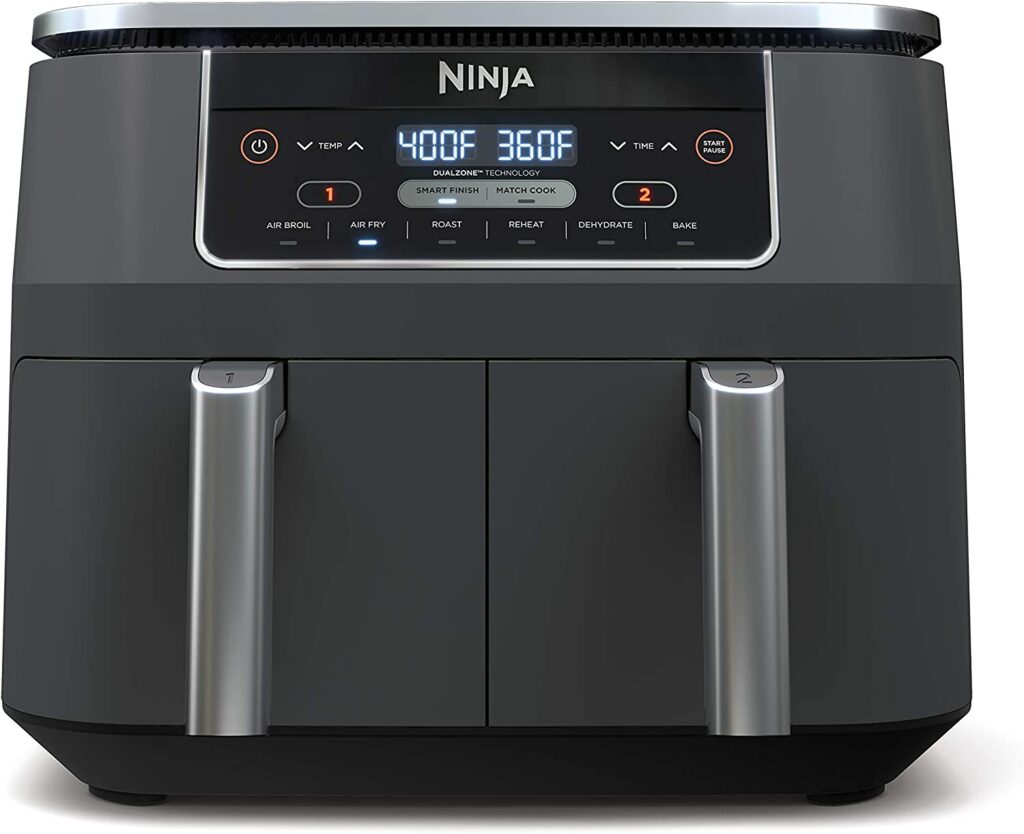
Cooking pork in an air fryer has become a favorite for home cooks who want the perfect balance of flavor, texture, and convenience. The air fryer, with its rapid hot air circulation, can transform cuts of pork into crispy, golden-brown masterpieces while keeping the meat juicy and tender inside. Whether you are preparing pork chops, tenderloin, or even smaller cuts like pork medallions, understanding the nuances of temperature, timing, and preparation is essential. Done correctly, air-fried pork can rival traditional frying methods without the excessive oil, making it both healthier and quicker. In this guide, we’ll dive deeply into every aspect of cooking pork in an air fryer, from choosing the right temperature to troubleshooting common problems.
Optimal Air Fryer Temperature To Cook Pork In Air Fryer
The ideal temperature for cooking pork in an air fryer depends on the cut and thickness of the meat. Generally, a temperature range of 375°F to 400°F (190°C to 204°C) works best. For thicker cuts, such as pork chops or tenderloins, 375°F ensures the pork cooks evenly without drying out. Thinner cuts or smaller pieces benefit from 400°F, which quickly develops a crisp exterior while locking in juices.
It is also important to preheat the air fryer for at least 3-5 minutes before placing the pork inside. Preheating ensures that the pork begins cooking immediately, creating a beautiful sear and preventing it from sticking to the basket.
How Long To Cook Pork In Air Fryer
Cooking time varies depending on the thickness and type of pork:
- Pork chops (1-inch thick): 12-15 minutes, flipping halfway through.
- Pork tenderloin (whole, 1-1.5 pounds): 20-25 minutes, shaking or turning once midway.
- Pork medallions or smaller cuts: 8-12 minutes.
A key principle is to avoid overcooking; air fryers cook rapidly, and even a couple of extra minutes can make pork dry. Always check doneness near the lower end of the time range and adjust as needed.
How To Tell If It Is Done
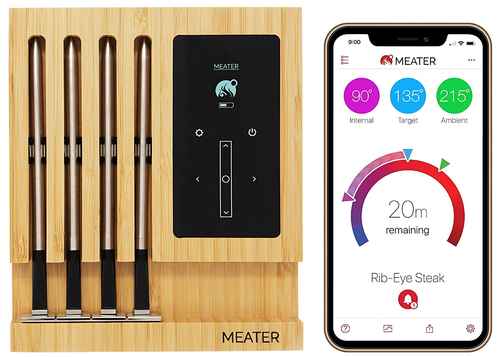
The most reliable method to confirm doneness is using a meat thermometer. Insert the thermometer into the thickest part of the pork:
- Pork chops: 145°F (63°C)
- Pork tenderloin: 145°F (63°C)
- Ground pork or smaller cuts: 160°F (71°C)
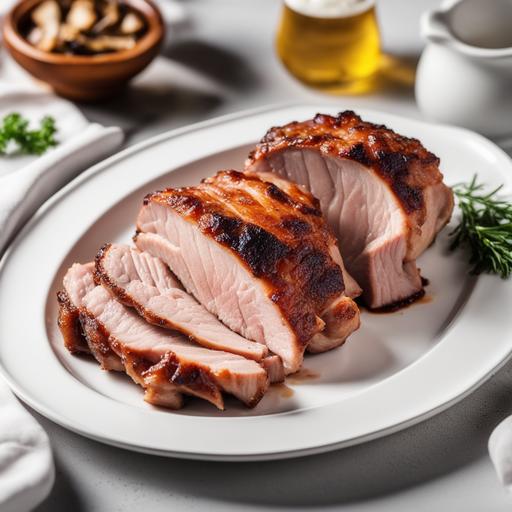
After reaching the target temperature, allow the pork to rest for 3-5 minutes. This resting period lets the juices redistribute, ensuring tender and flavorful meat. Visually, properly cooked pork will have a slight pink center (especially for chops and tenderloin) and clear juices.
Ingredients Needed
For simple, delicious air fryer pork, gather the following:
- Pork of your choice (chops, tenderloin, medallions)
- Olive oil or cooking spray
- Salt
- Black pepper
- Garlic powder
- Paprika
- Optional: fresh herbs like rosemary or thyme, lemon zest, or a marinade
The beauty of air frying is that it amplifies flavors without needing excessive fat or seasoning, though a light marinade or dry rub can elevate your dish significantly.
How To Cook Pork In Air Fryer
- Preheat the air fryer: Set to 375-400°F for 3-5 minutes.
- Prepare the pork: Pat dry with paper towels. Brush lightly with oil and season evenly with salt, pepper, and preferred spices.
- Arrange in the basket: Lay pork in a single layer without overcrowding. This ensures even air circulation.
- Cook: Air fry for the recommended time based on cut and thickness. Flip halfway through for uniform browning.
- Check doneness: Use a meat thermometer to confirm internal temperature.
- Rest: Remove pork from the air fryer and let rest for 3-5 minutes before slicing or serving.
What If I Use A Different Air Fryer Temperature?
Adjusting temperature changes cooking dynamics:
- Lower temperature (350°F / 175°C): Slower cooking allows for even heat distribution and juicier meat but may not achieve as crispy a crust. Expect to increase cook time slightly.
- Higher temperature (425°F / 220°C): Faster browning and a crispier exterior, but higher risk of uneven cooking or overcooked interiors if not monitored closely.
Temperature adjustments require vigilance; always check meat with a thermometer to avoid over- or undercooking.
What If I Use A Different Air Fryer Cooking Time?
Air fryer cooking is precise, but minor adjustments may be necessary:
- Shorter time: Pork may be undercooked and require an additional few minutes. Always check internal temperature.
- Longer time: Can result in dry or tough meat, especially for lean cuts like tenderloin or chops. If the pork appears done externally, check internal temperature before adding more time.
Time adjustments should always be paired with temperature monitoring for the best results.
When Things Go Wrong
Even experienced cooks encounter issues:
- Dry pork: Likely overcooked; reduce cooking time or lower temperature next time.
- Uneven cooking: Could be overcrowding or not flipping halfway. Arrange pork with space between pieces and rotate halfway through.
- Burnt exterior, raw interior: Temperature too high or thick cut; lower the temperature and extend cooking time.
Air fryers vary by brand, so familiarity with your specific model is essential for consistent results.
Expert Tips
- Always preheat your air fryer.
- Pat pork dry for the crispiest crust.
- Don’t overcrowd; air needs to circulate.
- Use a meat thermometer for precise doneness.
- Experiment with marinades, spice rubs, or glazes to enhance flavor.
- Let the pork rest after cooking to retain juices.
- For extra crispiness, lightly coat with panko or cornmeal before air frying.
FAQs
What Cuts Of Pork Are Best For Cooking In An Air Fryer?
The best cuts of pork for air frying include pork chops, tenderloin, pork loin, pork belly, and small pork ribs. These cuts cook evenly and develop a good crust without drying out when monitored closely. Lean cuts may require slight oiling or marinating to retain moisture.
Do I Need To Marinate Or Season Pork Before Air Frying?
Marinating or seasoning is recommended to enhance flavor and maintain juiciness. Dry rubs, marinades, or simple seasoning with salt, pepper, garlic powder, and paprika work well. Marinating for 30 minutes to a few hours can improve tenderness and taste.
What Temperature And Time Should I Use To Cook Pork In An Air Fryer?
Generally, pork is cooked at 350-400°F (175-200°C). Pork chops and tenderloin typically take 12-20 minutes depending on thickness, while pork belly or ribs may require 25-30 minutes. Always check the internal temperature: pork should reach at least 145°F (63°C) and rest for 3 minutes before serving.
Do I Need To Preheat The Air Fryer Before Cooking Pork?
Preheating is recommended for more even cooking and a crispier exterior. Most air fryers reach the desired temperature within 3-5 minutes. Some models allow cooking without preheating, but the pork may cook less evenly and take slightly longer.
Should I Flip Or Shake The Pork During Air Frying?
Yes, flipping or shaking halfway through cooking promotes even browning and crispiness on all sides. For thicker cuts like chops or tenderloin, flip once. For smaller pieces or cubes, shaking the basket a couple of times is sufficient.
Can I Cook Frozen Pork Directly In The Air Fryer?
Yes, frozen pork can be air fried, but it requires longer cooking times and lower initial temperatures to ensure even cooking. Thicker cuts may need to be thawed for best results. Use a meat thermometer to confirm an internal temperature of 145°F (63°C).
How Do I Prevent Pork From Drying Out In The Air Fryer?
To prevent dryness, avoid overcooking and monitor internal temperature closely. Lightly coat the pork with oil or use a marinade. Thicker cuts retain moisture better, and letting the meat rest for a few minutes after cooking allows juices to redistribute, resulting in a tender texture.