
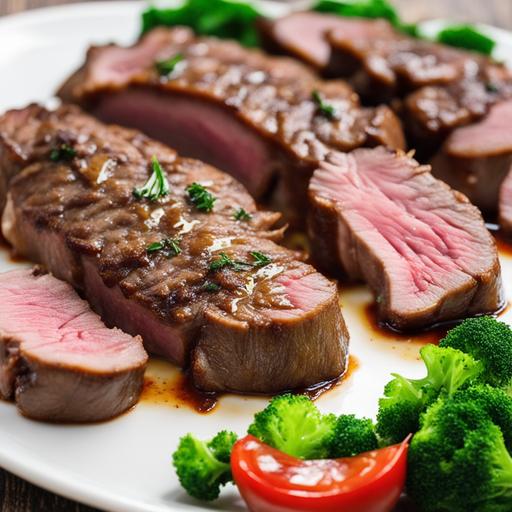
How To Cook Deer Backstrap In Air Fryer [FULL GUIDE]
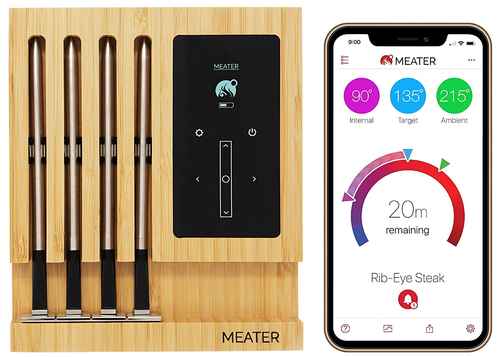
Recommended Equipments:
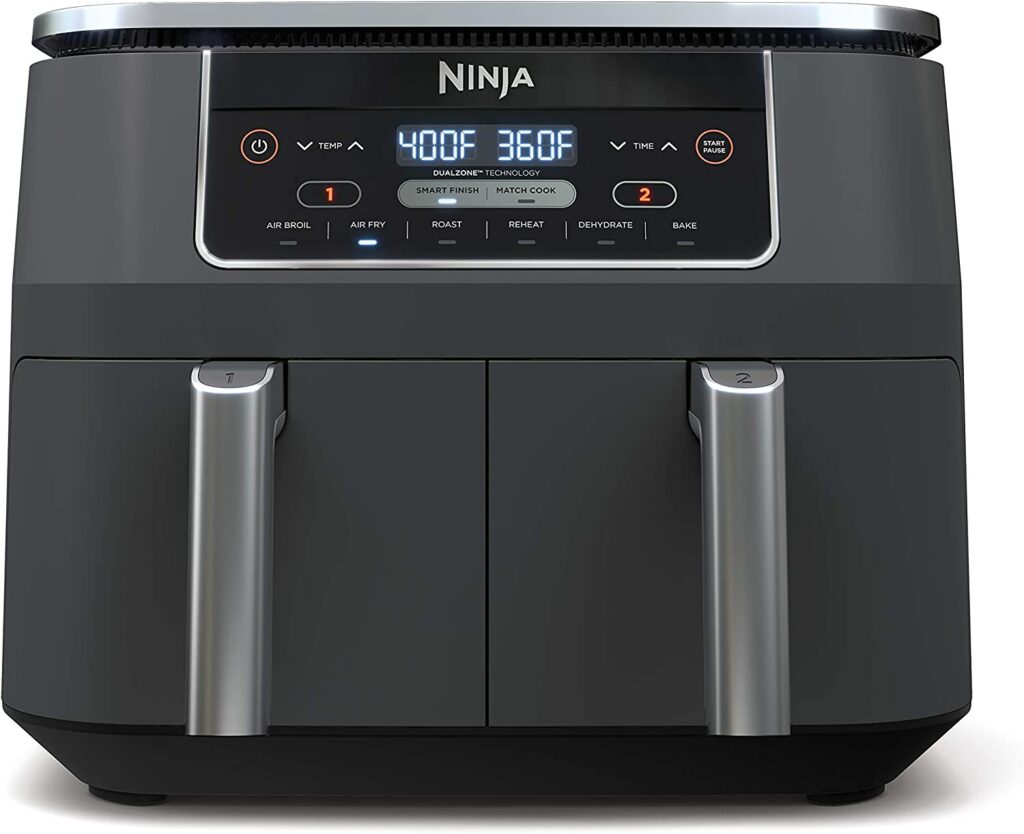
Deer backstrap, often considered the crown jewel of venison cuts, is prized for its tenderness, rich flavor, and versatility. Unlike tougher cuts, the backstrap is lean, muscle-rich, and benefits from careful cooking that preserves its natural juiciness while enhancing its earthy, gamey flavor. Traditionally, backstrap is grilled, pan-seared, or roasted, but the modern air fryer offers a fast, convenient, and surprisingly effective method to achieve restaurant-quality results. By circulating hot air rapidly, an air fryer sears the outside of the meat while retaining its internal moisture, creating a crisp exterior and tender, succulent interior. In this guide, we’ll explore the optimal temperature, cooking time, and techniques to master air fryer venison backstrap.
Optimal Air Fryer Temperature To Cook Deer Backstrap In Air Fryer
The ideal air fryer temperature for deer backstrap balances the need for a caramelized exterior with the preservation of its tender interior. Typically, 375°F (190°C) is optimal. At this temperature, the air fryer can create a light crust on the surface without drying out the delicate meat fibers.
Using temperatures lower than 350°F risks uneven cooking and a lackluster sear, while exceeding 400°F may cause the lean backstrap to overcook quickly, leaving it dry and chewy. The key is to maintain a steady heat that allows the Maillard reaction-the chemical process that browns proteins and enhances flavor-to occur without sacrificing juiciness.
How Long To Cook Deer Backstrap In Air Fryer
Cooking time depends on the thickness of the backstrap and your desired level of doneness. For average-sized backstrap medallions or a single backstrap loin (approximately 1-1.5 inches thick):
- Rare: 8-10 minutes
- Medium Rare: 10-12 minutes
- Medium: 12-14 minutes
- Medium Well: 14-16 minutes
It’s essential to flip the backstrap halfway through the cooking process to ensure even browning and heat distribution. Overcooking is a common issue with venison, so using these times as a guideline rather than a strict rule is important.
How To Tell If It Is Done
Unlike beef, deer backstrap is extremely lean, meaning visual cues can be misleading. Use the following methods to ensure perfect doneness:
-
Internal Temperature: Use a digital meat thermometer for accuracy. The USDA recommends:
- Rare: 120-125°F
- Medium Rare: 130-135°F
- Medium: 140-145°F
- Medium Well: 150-155°F
- Touch Test: Gently press the meat with your finger or tongs. Rare feels soft and spongy; medium feels firmer but still springy; well-done feels firm and resistant.
- Juice Color: When cut slightly, juices should be pinkish-red for medium rare and only faintly pink for medium to medium well.
Ingredients Needed
While deer backstrap has a naturally robust flavor, proper seasoning enhances its earthy notes:
- Deer backstrap (1-2 pounds)
- Olive oil or melted butter (1-2 tablespoons)
- Salt (to taste)
- Freshly ground black pepper (to taste)
- Optional: garlic powder, smoked paprika, fresh herbs like rosemary or thyme
Simple seasoning allows the venison’s natural flavor to shine, but for a more complex profile, marinating for a few hours in olive oil, balsamic vinegar, garlic, and herbs can further tenderize and infuse the meat.
How To Cook Deer Backstrap In Air Fryer
- Preheat the Air Fryer: Set to 375°F (190°C). Preheating ensures even cooking and helps create a flavorful sear.
- Prepare the Meat: Pat the backstrap dry with a paper towel. Rub with olive oil or melted butter and season generously with salt, pepper, and any optional spices.
- Arrange in the Air Fryer Basket: Place the backstrap in a single layer, avoiding overcrowding to ensure proper air circulation.
- Cook and Flip: Cook for half the total time, then flip the backstrap to ensure even browning.
- Check for Doneness: Use a thermometer to check internal temperature or perform the touch test.
- Rest Before Slicing: Let the meat rest for 5-10 minutes to allow juices to redistribute, preventing dryness when sliced.
What If I Use A Different Air Fryer Temperature?
Altering the temperature affects both texture and cooking time:
- Lower temperatures (325-350°F / 160-175°C): Produces a gentler cook, reducing the risk of overcooking, but may require an additional 3-5 minutes. The exterior may not brown as richly.
- Higher temperatures (400-425°F / 200-220°C): Accelerates browning and crust formation but risks drying out the lean backstrap. If using high heat, reduce cook time and monitor closely.
What If I Use A Different Air Fryer Cooking Time?
Deviating from recommended cooking times can dramatically affect results:
- Shorter cooking times: Meat may remain undercooked in the center. Rare backstrap is acceptable, but anything below 120°F internal temperature may be too raw for some palates.
- Longer cooking times: Due to venison’s low fat content, prolonged cooking almost guarantees dryness and toughness. If extending cook time, consider lowering the temperature to preserve moisture.
When Things Go Wrong
Even seasoned cooks face setbacks with air fryer venison:
- Dry or tough meat: Likely due to overcooking. Next time, monitor internal temperature and consider marinating or basting with butter or oil.
- Undercooked center: Reduce thickness of slices or increase cooking time incrementally while checking temperature.
- Uneven browning: Ensure the air fryer basket is not overcrowded, flip the meat halfway, and check air fryer’s preheating efficiency.
Expert Tips
- Room Temperature Meat: Allow backstrap to sit at room temperature for 20-30 minutes before cooking to promote even cooking.
- Oil Generously: A light coating of oil prevents sticking and encourages browning.
- Use a Thermometer: Avoid guessing; precision ensures perfect doneness.
- Slice Against the Grain: Enhances tenderness when serving.
- Minimal Handling: Excess flipping or poking can release juices prematurely, drying out the meat.
- Resting is Crucial: Always rest 5-10 minutes; this step is often overlooked and makes a huge difference in juiciness.
FAQs
What Is Deer Backstrap And Why Is It Preferred For Cooking?
Deer backstrap is the long, tender muscle that runs along the spine of a deer. It is highly prized because it is lean, tender, and flavorful, making it ideal for quick-cooking methods like grilling, searing, or using an air fryer. Its fine texture allows it to cook evenly without becoming tough.
Do I Need To Marinate Deer Backstrap Before Cooking It In An Air Fryer?
Marinating is optional but recommended to enhance flavor and maintain moisture, as deer backstrap is very lean. A simple marinade can include olive oil, garlic, herbs, and acidic components like lemon juice or vinegar. Even a short 30-minute marinade can help prevent dryness.
How Should I Prepare Deer Backstrap For Air Frying?
Start by trimming any silver skin and excess fat. Pat the meat dry with paper towels to ensure proper browning. Season generously with salt, pepper, and optional herbs or spices. You can cut the backstrap into medallions or leave it whole, depending on your cooking preference.
What Temperature And Cooking Time Should I Use For Deer Backstrap In An Air Fryer?
Preheat the air fryer to 400°F (205°C). Cook whole backstrap for approximately 12-15 minutes, flipping halfway, or medallions for 6-8 minutes, depending on thickness. Always check internal temperature: 130°F (54°C) for medium-rare, 140°F (60°C) for medium. Avoid overcooking to preserve tenderness.
Should I Let The Deer Backstrap Rest After Air Frying?
Yes, resting is crucial. After cooking, let the backstrap rest for 5-10 minutes. This allows the juices to redistribute, resulting in a more tender and flavorful piece of meat.
Can I Cook Frozen Deer Backstrap In An Air Fryer?
It is not recommended to cook deer backstrap from frozen in an air fryer, as it may cook unevenly and become tough. Thaw it fully in the refrigerator for 12-24 hours before cooking for the best results.
What Are Some Tips To Prevent Deer Backstrap From Drying Out In An Air Fryer?
Since backstrap is lean, avoid overcooking and consider light oiling or using a marinade. Cut evenly sized portions for uniform cooking. Monitoring internal temperature with a meat thermometer is the most reliable way to maintain juiciness. Also, letting the meat rest after cooking helps retain moisture.