
How To Cook Boil Egg In Air Fryer [FULL GUIDE]
Recommended Equipments:
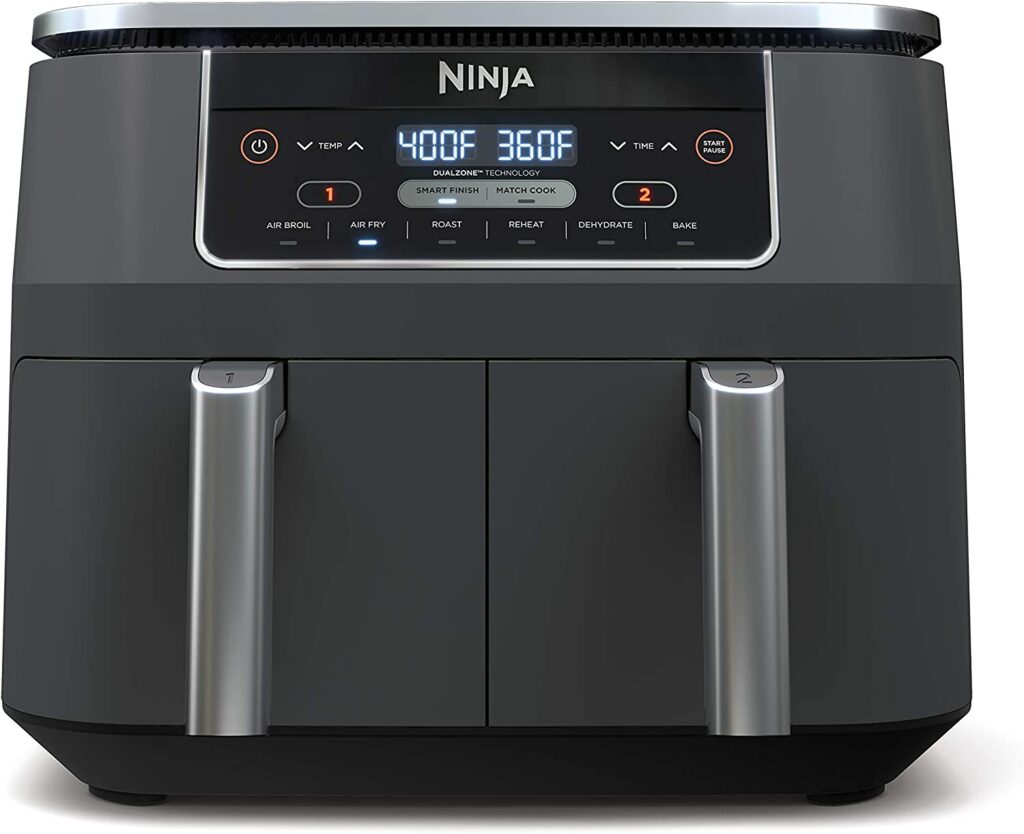
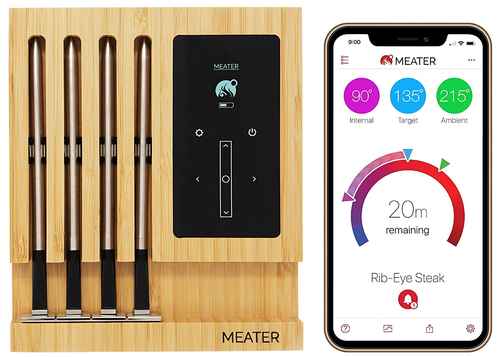
The humble boiled egg is a culinary staple found in kitchens around the world. Traditionally, boiling eggs involves water, a pot, and careful timing to achieve the perfect texture-from soft, custardy yolks to fully firm, sliceable whites. However, with the rise of modern kitchen appliances, the air fryer has emerged as an unconventional yet remarkably effective tool for cooking eggs. Using an air fryer to ’boil’ eggs-technically more of a dry-heat method-offers convenience, consistency, and a surprisingly hands-off approach. This method eliminates the need for water, reduces cleanup, and can even deliver slightly different textures that some find more satisfying than conventional boiling. In this guide, we’ll explore every aspect of cooking boiled eggs in an air fryer, from temperature and timing to troubleshooting and expert tips.
Optimal Air Fryer Temperature To Cook Boil Egg In Air Fryer
The key to achieving a perfectly cooked boiled egg in an air fryer lies in temperature control. Air fryers work by circulating hot air around the food, so setting the correct temperature ensures even cooking without overcooking or undercooking the egg. Most experts recommend an air fryer temperature of 270°F to 300°F (approximately 132°C to 149°C) for cooking eggs in their shells.
At this moderate heat, the eggs cook gently, allowing the whites to set without becoming rubbery and the yolks to develop a creamy or firm texture depending on timing. Higher temperatures (over 320°F or 160°C) can cook eggs too quickly, resulting in overcooked, chalky yolks and a higher risk of cracking the shells due to rapid expansion of the egg’s interior. Conversely, temperatures below 260°F may fail to cook the egg fully, leaving a runny or partially unset white.
How Long To Cook Boil Egg In Air Fryer
Timing is as crucial as temperature in the air fryer. Depending on the desired level of doneness:
- Soft-boiled eggs: 9-11 minutes
- Medium-boiled eggs: 12-14 minutes
- Hard-boiled eggs: 15-17 minutes
Timing may vary slightly depending on the size of the eggs and the specific air fryer model. Large eggs are standard for timing guidelines, while extra-large or jumbo eggs may require an additional 1-2 minutes.
It’s important to note that air fryer eggs continue to cook slightly after removal due to residual heat. For this reason, removing eggs slightly before they reach your ideal doneness can prevent overcooking.
How To Tell If It Is Done
Once cooked, assessing doneness is straightforward:
- Soft-boiled: The white is firm but the yolk remains partially liquid. When cracked open, it should flow slowly but not be completely watery.
- Medium-boiled: The yolk has a custard-like consistency-neither fully runny nor fully solid.
- Hard-boiled: Both the white and yolk are fully set. The yolk should be pale yellow and firm but not chalky.
A quick tip: you can gently spin the egg on a flat surface. If it spins smoothly and rapidly, it’s hard-boiled; soft-boiled eggs will wobble due to the liquid center.
Ingredients Needed
Cooking boiled eggs in an air fryer is delightfully simple. You only need:
- Fresh eggs (any quantity that fits comfortably in your air fryer basket)
- Ice water (for an ice bath, optional but recommended to stop cooking)
No oil, butter, or additional ingredients are required, making this method extremely low-maintenance and healthy.
How To Cook Boil Egg In Air Fryer
- Preheat the air fryer: Set the temperature to 270-300°F and allow it to preheat for 3-5 minutes.
- Arrange the eggs: Place eggs directly in the air fryer basket. Ensure they are not overcrowded and that air can circulate evenly around each egg.
- Cook: Set the timer according to your desired doneness: soft (9-11 min), medium (12-14 min), or hard (15-17 min).
- Ice bath: Immediately transfer eggs to a bowl of ice water for 5-10 minutes. This stops the cooking process and makes peeling easier.
- Peel and enjoy: Gently crack the shell and remove. The eggs are now ready to be eaten plain, sliced, or used in recipes.
What If I Use A Different Air Fryer Temperature?
- Higher temperatures (320°F+): The eggs will cook faster, but you risk cracked shells and overcooked yolks.
- Lower temperatures (below 260°F): Eggs may cook unevenly, and soft-boiled eggs may remain undercooked.
Temperature adjustments should always be paired with timing adjustments to ensure consistent results.
What If I Use A Different Air Fryer Cooking Time?
- Shorter time: Eggs may remain undercooked or too soft. Soft-boiled eggs are an exception if you intentionally want a runny yolk.
- Longer time: Overcooked yolks, rubbery whites, and potential browning of the shell can occur.
It’s best to incrementally adjust time and test with one egg until you find the perfect balance for your air fryer.
When Things Go Wrong
Even air fryer eggs can have hiccups:
- Cracked shells: Usually due to rapid heating. Lower the temperature or allow eggs to come closer to room temperature before cooking.
- Rubbery whites or chalky yolks: Often caused by overcooking. Reduce time or temperature.
- Difficulty peeling: Ice bath is essential. For stubborn eggs, gently roll them on a hard surface to loosen the shell.
Expert Tips
- Room temperature eggs: Allowing eggs to sit out for 15-20 minutes can reduce cracking.
- Single layer: Never stack eggs; even airflow ensures even cooking.
- Experiment gradually: Air fryer models vary; start with standard timing and adjust in 1-2 minute increments.
- Use an ice bath: This stops residual cooking and makes peeling much easier.
- Store cooked eggs properly: Refrigerate peeled or unpeeled eggs in a sealed container for up to one week.
FAQs
Can I Really Boil Eggs In An Air Fryer?
Yes, you can cook eggs in an air fryer to achieve a texture similar to boiled eggs. The air fryer uses circulating hot air to cook the eggs evenly without the need for water. The result is often called ’air-fried eggs’ or “air fryer hard-boiled eggs”.
What Temperature Should I Set My Air Fryer To For Boiling Eggs?
The recommended temperature for cooking eggs in an air fryer is typically between 250°F to 270°F (120°C to 130°C). This allows the eggs to cook slowly and evenly, preventing cracking and ensuring a consistent texture.
How Long Does It Take To Cook Soft, Medium, And Hard Boiled Eggs In An Air Fryer?
Cooking times vary depending on egg size and air fryer model:
- Soft-boiled: 9-10 minutes
- Medium-boiled: 11-12 minutes
- Hard-boiled: 13-15 minutes
After cooking, it is recommended to place the eggs in an ice water bath for 5-10 minutes to stop the cooking process and make peeling easier.
Should I Use Water In The Air Fryer When Cooking Eggs?
No water is required inside the air fryer to cook eggs. Unlike traditional boiling, the hot air circulating around the eggs is sufficient to cook them. However, you can place eggs in a small oven-safe dish if you want more stability during cooking.
How Do I Prevent The Eggs From Cracking In The Air Fryer?
To prevent cracking, make sure the eggs are at room temperature before cooking. Avoid overcrowding the basket, and cook at a moderate temperature. Placing a small layer of foil or a heat-safe rack underneath the eggs can also reduce direct contact with the hot surface.
How Do I Peel Air-fried Eggs Easily?
After cooking, immediately transfer the eggs to an ice water bath for at least 5 minutes. This helps separate the membrane from the shell, making peeling easier. Gently tap the egg on a hard surface and roll it to crack the shell before peeling.
Are Air Fryer Boiled Eggs Healthier Than Traditionally Boiled Eggs?
The nutritional content of eggs remains largely unchanged when cooked in an air fryer versus boiling. Both methods retain protein, vitamins, and minerals. However, using an air fryer eliminates the need for extra water or oil, making it a convenient and energy-efficient option.