
How To Make Beef Jerky For Dogs In Air Fryer [FULL GUIDE]
Recommended Equipments:
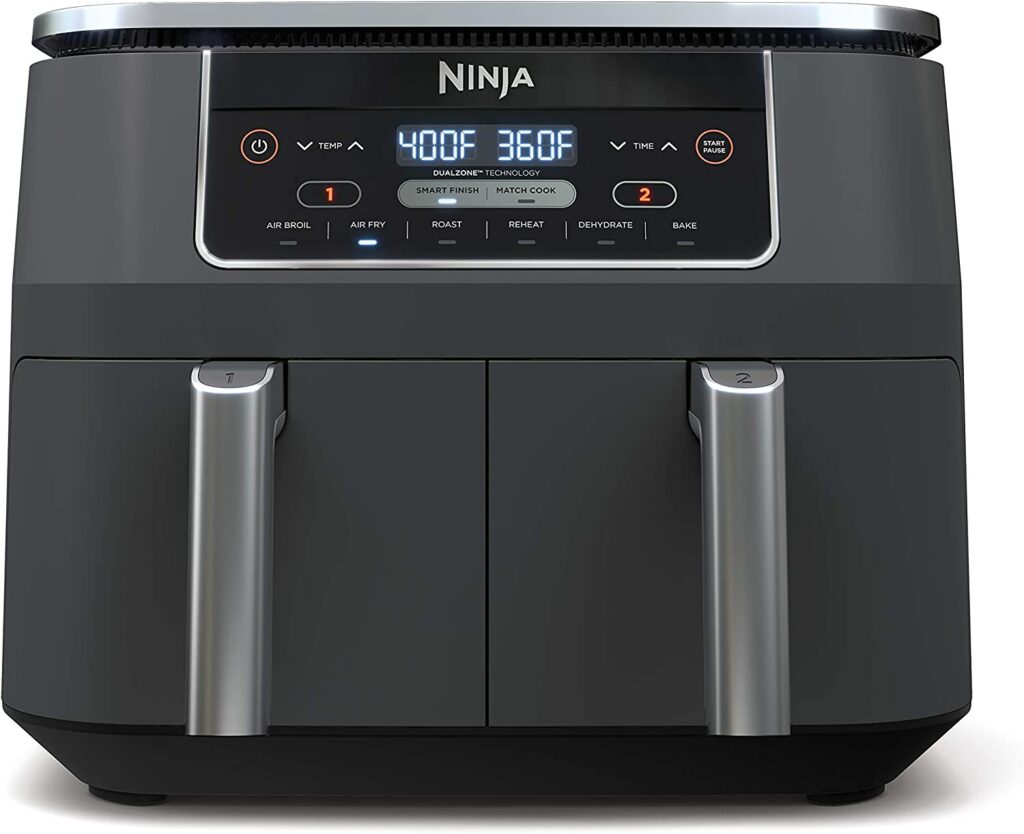

Beef jerky is a classic, protein-rich treat that dogs adore. However, commercially available jerky often contains added salts, preservatives, and seasonings that are unsafe or unhealthy for canine consumption. Making beef jerky at home is a fantastic way to ensure your furry friend gets a wholesome, natural treat. Using an air fryer to make beef jerky for dogs is not only convenient but also efficient. Unlike traditional oven or dehydrator methods, an air fryer can produce chewy, flavorful jerky in a fraction of the time while maintaining the nutrients essential for your dog’s health. This guide will walk you through the precise temperatures, cooking times, and techniques to craft safe, delicious, and nutritious jerky treats that your dog will love.
Optimal Air Fryer Temperature To Make Beef Jerky For Dogs In Air Fryer
Temperature is the cornerstone of perfect air-fried jerky. For dogs, it’s important to cook the meat thoroughly to eliminate harmful bacteria without overcooking it to the point of being excessively hard. The optimal temperature for air frying beef jerky for dogs is 160°F to 180°F (70°C to 82°C).
- Lower temperatures (around 160°F / 70°C) are ideal for a longer, slower dehydration process that preserves moisture and nutrients, resulting in a tender, chewy jerky.
- Higher temperatures (closer to 180°F / 82°C) speed up the cooking process but can risk slightly tougher jerky, so it’s crucial to monitor closely.
Modern air fryers often fluctuate slightly in temperature, so if your device only allows pre-set ranges, select the closest to this range and adjust cooking time accordingly. Maintaining a low, steady temperature mimics traditional dehydrating methods and ensures your dog’s treat is safe and nutritious.
How Long To Make Beef Jerky For Dogs In Air Fryer
Cooking time depends largely on the thickness of the meat strips and your air fryer’s efficiency. As a general rule:
- Thin strips (1/8 inch / 3 mm thick): 1.5 to 2 hours
- Medium strips (1/4 inch / 6 mm thick): 2 to 3 hours
- Thicker strips (3/8 inch / 9 mm thick): 3 to 4 hours
It’s better to undercook slightly and check than to overcook, as jerky will continue to firm slightly as it cools. During the process, flip the strips halfway through cooking to ensure even drying on both sides.
How To Tell If It Is Done
Properly cooked jerky for dogs should be dry but not brittle. Signs it’s done include:
- Texture: The jerky should bend without breaking. If it snaps easily, it’s overcooked.
- Moisture check: When you tear a strip, there should be no visible wet or raw meat inside.
- Appearance: Jerky will darken slightly in color and feel firm yet pliable.
Avoid leaving jerky overly moist, as undercooked beef can harbor bacteria like Salmonella, which is dangerous for dogs. Conversely, overcooked jerky loses palatability and nutrients.
Ingredients Needed
Making beef jerky for dogs requires minimal, safe ingredients:
- Lean beef: Top round, sirloin, or flank steak (avoid fatty cuts as fat can spoil quickly).
- Optional flavoring: Small amounts of dog-safe ingredients like a sprinkle of turmeric, parsley, or unsalted chicken broth. Avoid salt, onion, garlic, and other seasonings toxic to dogs.
The key is simplicity-dogs respond most to pure meat flavor, and fewer ingredients mean less risk of adverse reactions.
How To Make Beef Jerky For Dogs In Air Fryer
- Prep the meat: Trim all visible fat and slice beef into uniform strips, ideally 1/8-1/4 inch thick.
- Optional marination: If using dog-safe flavoring, lightly coat the strips and refrigerate for 30 minutes to allow absorption.
- Preheat the air fryer: Set to 160-180°F (70-82°C).
- Arrange strips: Lay the beef strips in a single layer in the air fryer basket. Avoid overlapping to allow proper air circulation.
- Cook slowly: Air fry for 1.5-4 hours depending on thickness, flipping halfway through.
- Check doneness: Look for pliable, dry jerky with no moisture inside.
- Cool and store: Allow jerky to cool completely before serving or storing in an airtight container for up to 2 weeks, or freeze for longer storage.
What If I Use A Different Air Fryer Temperature?
- Lower temperature (<160°F / 70°C): Cooking may be too slow, increasing the risk of spoilage if left at low heat for long periods. Jerky might remain too moist inside.
- Higher temperature (>180°F / 82°C): Jerky will cook faster but can become hard, brittle, and less enjoyable for your dog. Nutrients may also degrade at higher heat.
Always adjust cooking time proportionally if you modify the temperature.
What If I Use A Different Air Fryer Cooking Time?
- Shorter time: Meat may remain undercooked and unsafe. Always check internal texture and moisture.
- Longer time: Jerky will become too dry and brittle. Over-drying also makes it harder to chew, especially for older dogs with sensitive teeth.
It’s a balance-low and slow generally wins for both safety and palatability.
When Things Go Wrong
Common issues include:
- Jerky too moist: Return strips to the air fryer for additional time at low temperature.
- Jerky too hard or brittle: Lower temperature and reduce cooking time next batch.
- Uneven drying: Ensure meat slices are uniform and spaced properly in the basket. Rotate or flip halfway.
- Odor issues: Fatty strips or seasoning can produce unpleasant smells; always use lean meat and dog-safe ingredients.
Being attentive during the process prevents most common mistakes.
Expert Tips
- Freeze meat slightly before slicing-it makes cutting uniform strips easier.
- Use a meat thermometer if unsure; internal temperature should reach 160°F / 70°C.
- Store jerky in small batches to avoid prolonged exposure to air, which can lead to spoilage.
- Experiment with textures; some dogs prefer slightly chewy jerky, others firmer treats.
- Clean the air fryer basket thoroughly to prevent grease build-up that could smoke during cooking.
FAQs
Is It Safe To Make Beef Jerky For Dogs In An Air Fryer?
Yes, it is safe to make beef jerky for dogs in an air fryer, provided you use lean cuts of meat and avoid adding any seasonings, salt, or spices that can be harmful to dogs. The air fryer allows you to dehydrate the meat at a controlled temperature, reducing the risk of bacterial contamination while creating a chewy, healthy treat.
What Type Of Beef Is Best For Making Dog-friendly Jerky In An Air Fryer?
Lean cuts of beef, such as top round, bottom round, or sirloin, are ideal because they contain less fat, which can spoil quickly and produce smoke during air frying. Trim off any visible fat before slicing to ensure the jerky dries evenly and remains safe for your dog to consume.
How Should I Slice The Beef For Air Fryer Jerky For Dogs?
Slice the beef into thin strips, roughly 1/4 inch thick, to ensure even drying. Cutting against the grain will result in a chewier texture, while cutting with the grain will produce a tougher jerky. Uniform thickness is important for consistent cooking and to prevent parts of the jerky from remaining undercooked.
What Temperature And Cooking Time Should I Use In The Air Fryer?
Set your air fryer to a low temperature, around 160-175°F (70-80°C), and cook the beef strips for 2-3 hours, checking periodically. The jerky is ready when it is dry, firm, and slightly flexible. Avoid high temperatures, as they can cook the meat too quickly and make it brittle.
Do I Need To Marinate The Beef Before Air Frying?
Marinating is optional, but for dog-friendly jerky, it is best to skip traditional marinades containing salt, sugar, garlic, or onion. You can lightly soak the meat in plain water or a small amount of low-sodium chicken or beef broth for added flavor without risking your dog’s health.
How Should I Store Homemade Beef Jerky For Dogs?
Allow the jerky to cool completely before storing. Place it in an airtight container or resealable bag. It can be kept at room temperature for 1-2 weeks, in the refrigerator for up to a month, or frozen for 3-6 months. Proper storage prevents mold growth and maintains freshness.
Can All Dogs Safely Eat Homemade Beef Jerky?
Most healthy dogs can safely enjoy homemade beef jerky in moderation. However, dogs with certain health conditions, such as pancreatitis, kidney disease, or food allergies, may require restrictions on high-protein treats. Always consult your veterinarian before introducing new foods into your dog’s diet.