
How To Make Pickle Chips In Air Fryer [FULL GUIDE]
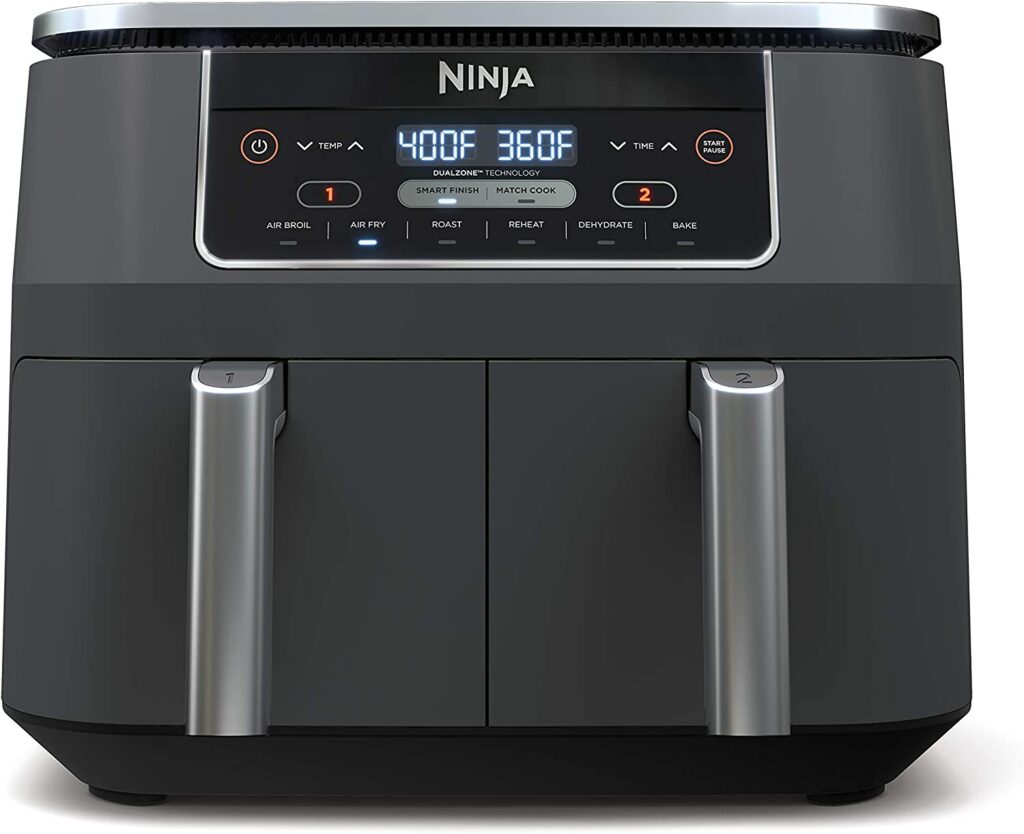
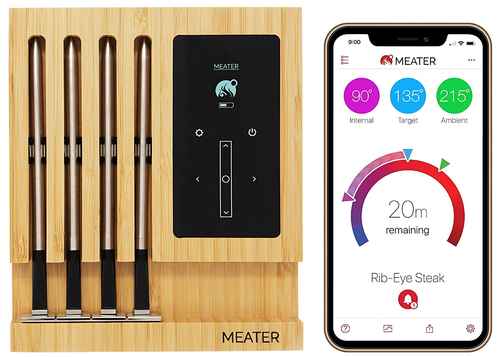
Recommended Equipments:
Pickle chips are a delightful twist on the classic dill pickle, transforming a simple snack into a golden, crispy treat. The magic of an air fryer makes this possible without the need for deep frying, which often results in a greasy mess. Air-fried pickle chips maintain a perfect balance of crunch and tang, with a satisfying crisp exterior that gives way to the juicy, salty-sour flavor of the pickle inside. Whether served as a snack, an appetizer at a gathering, or a side dish to complement burgers and sandwiches, air fryer pickle chips are an irresistible treat. Achieving that perfect texture and flavor requires careful attention to temperature, timing, and technique-elements we’ll explore in detail below.
Optimal Air Fryer Temperature To Make Pickle Chips In Air Fryer
Temperature is one of the most critical factors when cooking pickle chips in an air fryer. Set too low, and the coating becomes soggy; too high, and the chips risk burning before the interior is properly heated. For most air fryers, the optimal temperature ranges between 375°F and 400°F (190°C-205°C). This range allows the exterior to crisp rapidly while keeping the interior tangy and juicy.
Cooking at 375°F (190°C) is ideal for thicker pickle slices or heavily breaded coatings, as it allows them to cook through evenly without scorching. Conversely, 400°F (205°C) works best for thinner slices or lightly coated chips, producing a more intense crunch and a slightly darker golden finish. Some high-powered air fryers may require slight adjustments, so always monitor the first batch to fine-tune the temperature.
How Long To Make Pickle Chips In Air Fryer
The cooking time largely depends on the thickness of the pickle slices and the coating used. On average, pickle chips take 8-12 minutes to cook in an air fryer.
- Thin slices (1/8 inch): 8-10 minutes
- Thicker slices (1/4 inch): 10-12 minutes
For best results, it’s crucial to shake or flip the chips halfway through the cooking time. This ensures even browning and consistent crispness on all sides. Remember, overcooking can cause the coating to burn while leaving the pickle too soft, so vigilance is key.
How To Tell If It Is Done
Perfect pickle chips are golden brown, crispy, and slightly firm when pressed. Look for these indicators:
- Color: A deep golden-brown hue indicates that the coating is properly cooked.
- Texture: The exterior should feel crunchy to the touch. Press gently with tongs; it should resist slightly but not crumble immediately.
- Aroma: The distinct smell of toasted coating and tangy pickle is a good sign that the chips are ready.
If unsure, pull one chip out and let it cool for a minute. Bite into it carefully to test for the balance of crisp exterior and tender interior.
Ingredients Needed
To make a batch of delicious air-fried pickle chips, you’ll need:
- Pickles: Dill pickles are standard, but bread-and-butter or garlic pickles can work for unique flavor profiles.
- Flour: All-purpose flour or cornstarch for dredging.
- Eggs: For coating and binding the breadcrumbs.
- Breadcrumbs: Panko breadcrumbs provide an extra crunch; seasoned breadcrumbs add extra flavor.
- Optional seasoning: Garlic powder, paprika, cayenne pepper, or salt to taste.
- Cooking spray or a small amount of oil: Helps achieve that golden crisp without deep frying.
How To Make Pickle Chips In Air Fryer
- Prepare the Pickles: Slice pickles evenly, ideally 1/8 to 1/4 inch thick, and pat dry with paper towels to remove excess moisture.
- Set Up Breading Station: Place flour in one bowl, beaten eggs in another, and breadcrumbs (seasoned if desired) in a third.
- Coat the Pickles: Dredge each slice in flour, dip in egg, and press into breadcrumbs until fully coated.
- Preheat Air Fryer: Preheat to 375-400°F (190-205°C).
- Arrange Chips in Basket: Place chips in a single layer with minimal overlap. Lightly spray with cooking oil for extra crisp.
- Air Fry: Cook for 8-12 minutes, shaking or flipping halfway through.
- Cool and Serve: Let chips cool for 1-2 minutes before serving to allow the coating to set.
What If I Use A Different Air Fryer Temperature?
Altering the temperature affects both texture and cooking time.
- Lower temperature (<375°F/190°C): Produces a softer exterior, may take longer to cook, and risks sogginess.
- Higher temperature (>400°F/205°C): Accelerates browning but increases risk of burning before the pickle heats through.
Adjust timing and watch closely if experimenting outside the recommended range.
What If I Use A Different Air Fryer Cooking Time?
Cooking time is tied directly to temperature and slice thickness.
- Shorter cooking time: Chips may be undercooked, soft, and less flavorful.
- Longer cooking time: Chips can burn, and pickles may dry out.
Always start with the recommended time and adjust in small increments as needed.
When Things Go Wrong
Even small mistakes can affect pickle chip quality. Common issues include:
- Soggy coating: Often caused by excess moisture on pickles or overcrowding the basket. Pat pickles dry and avoid stacking.
- Uneven browning: Can result from irregular slice thickness or not shaking halfway through cooking.
- Burnt chips: Usually due to overly high temperature or overcooking. Reduce temperature slightly and monitor closely.
Mistakes can usually be corrected by adjusting temperature, time, or technique on the next batch.
Expert Tips
- Dry Pickles Well: Removing excess liquid ensures the coating sticks and crisps properly.
- Use Panko for Crunch: Panko breadcrumbs create a light, airy crunch that standard breadcrumbs can’t replicate.
- Single Layer Cooking: Avoid stacking chips; air circulation is key for crispness.
- Light Oil Spray: A thin mist of oil on top enhances browning without adding grease.
- Flavor Variations: Experiment with smoked paprika, chili powder, or Parmesan in breadcrumbs for unique twists.
FAQs
What Ingredients Are Needed To Make Pickle Chips In An Air Fryer?
To make pickle chips in an air fryer, you typically need dill pickle slices, all-purpose flour, cornstarch, eggs, breadcrumbs or panko, and seasoning such as salt, pepper, and optional paprika or garlic powder for extra flavor.
How Do I Prepare Pickle Slices Before Air Frying?
Pat the pickle slices dry with paper towels to remove excess moisture. This helps the coating stick better and prevents sogginess. You can also lightly press them between towels to remove more liquid.
What Is The Best Coating Method For Air Fryer Pickle Chips?
A common coating method is a three-step process: first, dredge the pickle slices in flour; second, dip them in beaten eggs; and third, coat them in breadcrumbs or panko mixed with your preferred seasonings. This ensures a crispy exterior after air frying.
At What Temperature And For How Long Should Pickle Chips Be Air Fried?
Preheat the air fryer to 400°F (200°C). Arrange the coated pickle slices in a single layer in the basket, then air fry for 8 to 10 minutes, flipping halfway through, until they are golden brown and crispy.
Can I Make Pickle Chips In An Air Fryer Without Oil?
Yes, you can make them without additional oil, especially if using panko or breadcrumbs, as they crisp well in an air fryer. Lightly spraying the chips with cooking spray is optional for extra crunch but not required.
How Do I Prevent Pickle Chips From Becoming Soggy In The Air Fryer?
To prevent sogginess, ensure the pickle slices are thoroughly dried before coating, do not overcrowd the air fryer basket, and maintain a high cooking temperature. Flipping halfway through also helps even crisping.
What Are Some Serving Suggestions For Air Fryer Pickle Chips?
Air fryer pickle chips can be served as an appetizer, snack, or side dish. They pair well with dipping sauces like ranch, spicy mayo, honey mustard, or a tangy aioli. They also complement sandwiches and burgers for added crunch.