
How To Cook Swai In Air Fryer [FULL GUIDE]
Recommended Equipments:
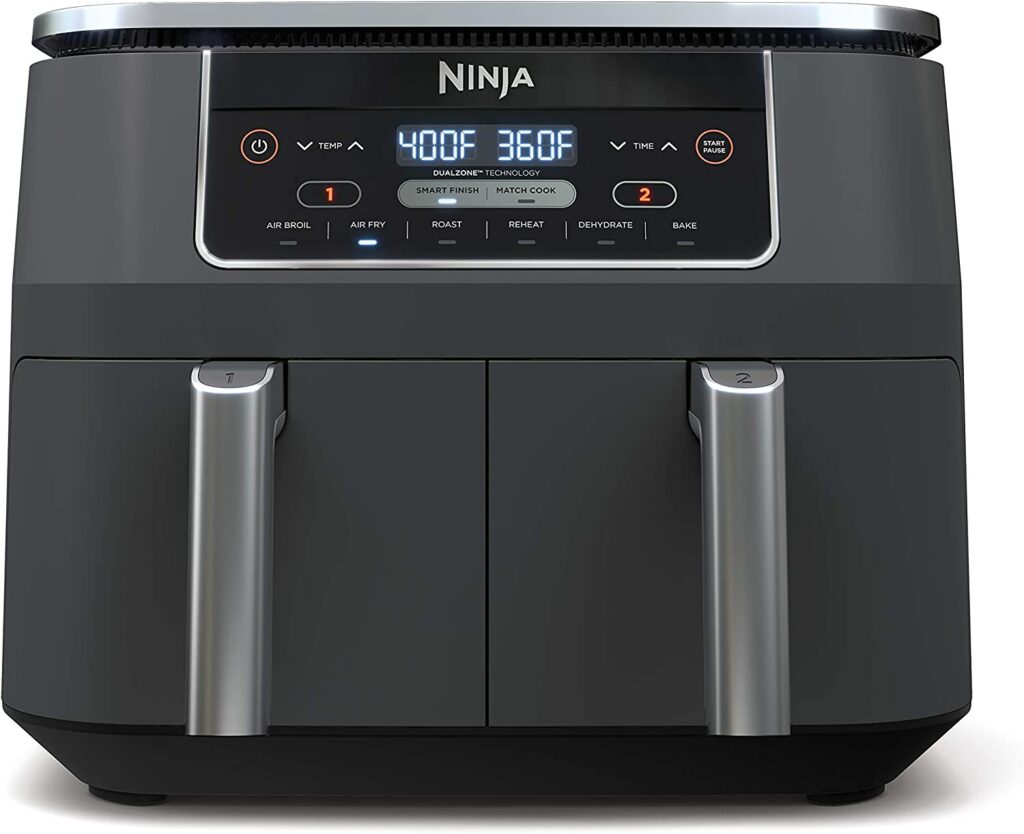
Swai, sometimes called pangasius or Vietnamese catfish, is a mild, white-fleshed fish known for its delicate texture and subtly sweet flavor. Its gentle taste makes it incredibly versatile, absorbing marinades and seasonings beautifully, while its firm but tender flesh holds up well to various cooking methods. Traditionally pan-fried or baked, swai has recently become a favorite for air fryer enthusiasts, who are drawn to the appliance’s ability to produce a crisp exterior while keeping the interior moist without the need for excess oil. Cooking swai in an air fryer is not only a healthier alternative to deep-frying but also faster and remarkably convenient, ideal for busy weeknight dinners or even a sophisticated, quick seafood dish for guests. Understanding the optimal temperature, timing, and techniques ensures you achieve a golden, flaky fillet every time.
Optimal Air Fryer Temperature To Cook Swai In Air Fryer
Temperature is arguably the most crucial factor in air frying swai. Air fryers cook by circulating hot air at high speeds, which can quickly dry out delicate fish if the temperature is too high. The optimal temperature for cooking swai is around 400°F (204°C). At this temperature, the exterior develops a lightly crisped texture, while the interior remains tender and juicy.
Lower temperatures, such as 350°F (177°C), can work if you are cooking thicker fillets or prefer a slightly softer exterior, but it may require additional cooking time. Conversely, temperatures above 425°F (218°C) can create an overly crisp, almost dry crust before the interior has fully cooked, resulting in a disappointing texture.
For the best results, preheat your air fryer to the recommended temperature before adding the fillets. Preheating ensures even cooking, reduces sticking, and allows for consistent results.
How Long To Cook Swai In Air Fryer
Cooking time depends on fillet thickness and whether the swai is frozen or fresh. As a general guideline:
- Fresh swai fillets (4-6 ounces each): 8-12 minutes
- Frozen swai fillets: 12-15 minutes
It’s essential to flip the fillets halfway through the cooking process to ensure even browning. Cooking times may vary slightly depending on your specific air fryer model, as some circulate air more efficiently than others. The key is to monitor the fillets closely during the last few minutes to avoid overcooking.
How To Tell If It Is Done
Unlike meat, fish can overcook quickly. Here’s how to ensure perfectly cooked swai:
- Flake Test: Gently press a fork into the thickest part of the fillet. If it flakes easily into sections, it is done.
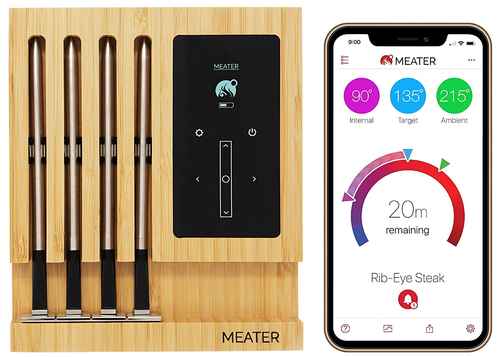
- Internal Temperature: Use a digital thermometer; fully cooked swai should reach 145°F (63°C) in the center.
- Visual Cues: The fish should turn opaque white throughout, with no translucent or raw areas remaining.
Avoid cooking until the fillet feels rubbery or overly firm, as this indicates it has lost moisture and tenderness.
Ingredients Needed
While swai has a mild flavor that can shine with just salt and pepper, here’s a basic ingredient list for a simple yet flavorful air-fried preparation:
- 2 swai fillets (fresh or thawed if frozen)
- 1 tablespoon olive oil or cooking spray
- ½ teaspoon salt
- ¼ teaspoon black pepper
- ½ teaspoon garlic powder (optional)
- ½ teaspoon paprika (optional, for a subtle smoky flavor)
- Lemon wedges for serving
Optional additions include a light breadcrumb coating, panko for extra crunch, or a marinade featuring soy sauce, lemon, or herbs.
How To Cook Swai In Air Fryer
- Preheat the Air Fryer: Set to 400°F (204°C) for 3-5 minutes.
- Prepare the Fillets: Pat the swai dry with paper towels. Brush or spray lightly with olive oil and season with salt, pepper, and any additional spices.
- Arrange in Basket: Place fillets in a single layer in the air fryer basket, leaving space between each to allow proper air circulation.
- Cook: Air fry for 8-12 minutes, flipping halfway through. Adjust time for thicker or thinner fillets.
- Check Doneness: Use the flake test or thermometer to confirm the fillets have reached 145°F (63°C).
- Serve: Plate immediately with lemon wedges or your favorite dipping sauce.
What If I Use A Different Air Fryer Temperature?
Altering the temperature changes the texture and timing:
- Lower temperature (350°F/177°C): The fish cooks more gently, reducing the risk of dryness, but may require 2-4 extra minutes. The crust may not be as crisp.
- Higher temperature (425°F/218°C): The exterior browns quickly, creating a crisp crust, but the inside may remain undercooked unless carefully monitored. Overcooking is more likely.
Always adjust cooking time in conjunction with temperature changes, and check doneness visually and with a thermometer.
What If I Use A Different Air Fryer Cooking Time?
Cooking too long or too short can affect quality:
- Shorter time: Fish may be undercooked, translucent, or fall apart when touched.
- Longer time: Fillets risk becoming dry, tough, and flavorless.
Because swai cooks quickly, erring on the side of slightly shorter time and checking doneness frequently is the safest approach.
When Things Go Wrong
Common issues include:
- Dry fish: Usually due to high temperature or overcooking. Reduce time or lower temperature next attempt.
- Uneven browning: May result from overcrowding the basket. Air fry in batches if necessary.
- Sticking: Lightly oil the basket or fillets, and make sure the air fryer is preheated.
- Fish falling apart: Use gentle flipping with a spatula and avoid moving fillets too often during cooking.
Expert Tips
- Pat dry for crispiness: Moisture on the fillets can prevent a golden crust.
- Single layer only: Overlapping fillets can lead to uneven cooking.
- Use a thermometer: Ensures perfectly cooked fish every time.
- Light oil coating: Enhances browning without adding unnecessary fat.
- Rest briefly before serving: 1-2 minutes allows juices to redistribute.
Optional: A thin panko breadcrumb layer or cornmeal coating can elevate the crunch without sacrificing the moist interior.
FAQs
What Is The Best Temperature To Cook Swai In An Air Fryer?
The ideal temperature for cooking swai in an air fryer is 400°F (200°C). This allows the fish to cook quickly while developing a slightly crispy exterior without drying out the delicate flesh.
How Long Should I Cook Swai Fillets In An Air Fryer?
Swai fillets generally take 8-12 minutes to cook in an air fryer, depending on thickness. Flip the fillets halfway through cooking to ensure even browning and check for an internal temperature of 145°F (63°C).
Do I Need To Preheat The Air Fryer Before Cooking Swai?
Preheating the air fryer for 3-5 minutes is recommended. This helps achieve a crispier exterior and ensures the fish cooks evenly from the start.
Should I Season Swai Before Air Frying?
Yes, seasoning swai before cooking enhances its flavor. Simple options include salt, pepper, paprika, garlic powder, or lemon juice. You can also lightly coat it with oil or a marinade to improve browning and prevent sticking.
Can I Cook Frozen Swai In An Air Fryer?
Yes, frozen swai can be cooked directly in the air fryer. Increase the cooking time by 3-5 minutes and separate fillets to allow even airflow. Season after thawing slightly or brush lightly with oil for better texture.
How Do I Prevent Swai From Sticking To The Air Fryer Basket?
To prevent sticking, lightly brush the basket with oil or use perforated parchment paper designed for air fryers. You can also lightly coat the fish fillets with oil before cooking.
What Sides Or Sauces Pair Well With Air-fried Swai?
Air-fried swai pairs well with a variety of sides such as roasted vegetables, rice, or a fresh salad. Complementary sauces include tartar sauce, garlic butter, lemon dill sauce, or a simple squeeze of fresh lemon juice for a bright flavor.