
How To Cook Skinless Chicken Breast In Air Fryer [FULL GUIDE]
Recommended Equipments:
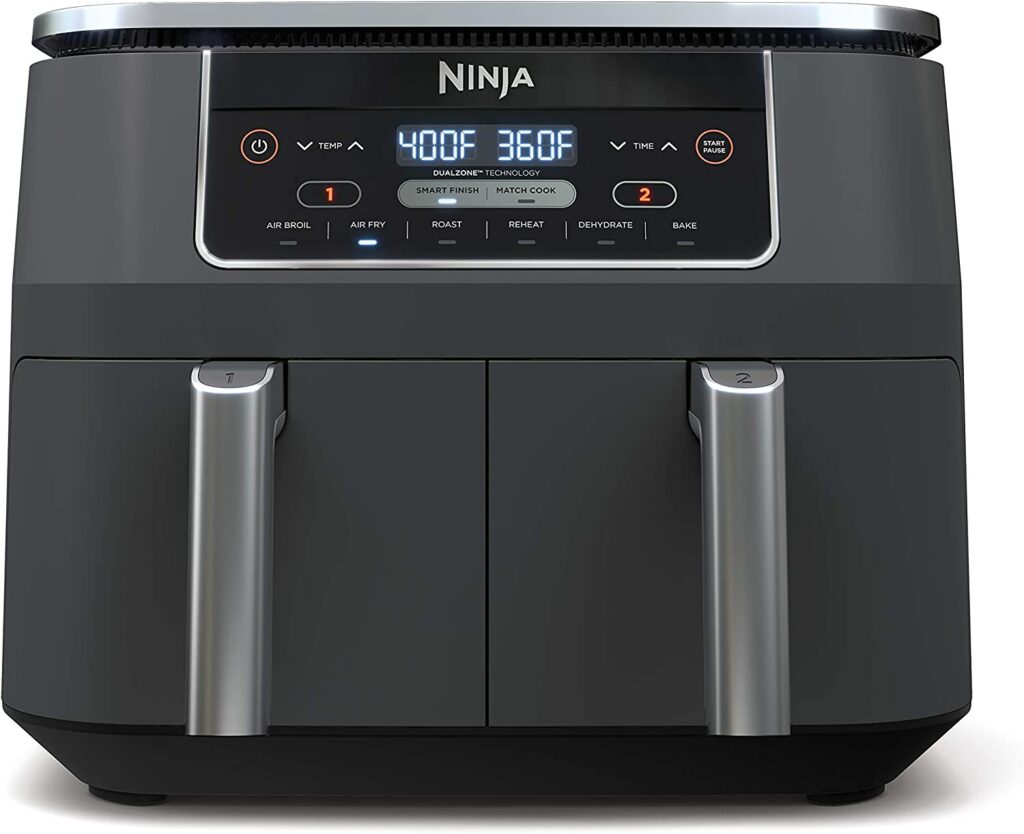
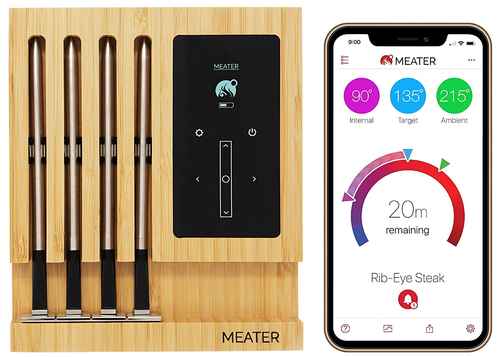
Cooking skinless chicken breast can be a deceptively simple task, but achieving a juicy, tender, and flavorful result requires precision. The air fryer, with its ability to circulate hot air at high speeds, offers a unique way to cook chicken without the need for excessive oil, delivering a crispy exterior while locking in moisture. For those seeking convenience, healthier alternatives to traditional frying, or a quicker weeknight meal, mastering the art of cooking skinless chicken breast in an air fryer is a game-changer. In this guide, we will explore the ideal temperature, cooking time, and techniques to ensure perfect results every time.
Optimal Air Fryer Temperature To Cook Skinless Chicken Breast In Air Fryer
Temperature is the key factor in achieving juicy chicken without drying it out. For skinless chicken breasts, the optimal air fryer temperature is 360°F (182°C). This temperature allows the chicken to cook evenly and thoroughly while preventing the exterior from burning before the interior reaches a safe temperature. Cooking at too high a temperature, such as 400°F (204°C) or above, can result in a dry, tough chicken breast because the outside cooks too quickly, leaving the inside undercooked or unevenly cooked. Conversely, cooking at a lower temperature, like 320°F (160°C), will require a longer time and may not produce the lightly browned, slightly crispy exterior that makes air-fried chicken so appealing.
How Long To Cook Skinless Chicken Breast In Air Fryer
The cooking time for skinless chicken breast depends on its thickness and weight. On average:
- Thin chicken breasts (4-6 ounces, ~1/2 inch thick): 10-12 minutes
- Medium chicken breasts (6-8 ounces, ~3/4 inch thick): 12-15 minutes
- Large chicken breasts (8-10 ounces, ~1 inch thick): 15-18 minutes
It is important to flip the chicken halfway through cooking to ensure even browning and heat distribution. Air fryer models vary slightly in heating efficiency, so using a meat thermometer to check doneness is the most reliable method.
How To Tell If It Is Done
The most reliable method to ensure your chicken breast is perfectly cooked is using a digital meat thermometer. The internal temperature should reach 165°F (74°C).
Other visual and tactile cues include:
- The juices run clear, not pink, when the chicken is pierced.
- The surface has a light golden-brown color and firm texture.
- The chicken has a slight springiness when pressed.
Cutting into the chicken before it reaches 165°F can lead to an undercooked center, while overcooking can dry it out.
Ingredients Needed
To cook skinless chicken breast in an air fryer, you will need:
- 2-4 skinless, boneless chicken breasts
- 1-2 tablespoons olive oil or avocado oil (optional, for extra crispness)
- Salt, to taste
- Black pepper, to taste
- Optional spices: garlic powder, paprika, onion powder, cayenne, or dried herbs
- Optional marinades or sauces: lemon juice, balsamic vinegar, or yogurt-based marinades
These ingredients are simple, yet they allow you to create a juicy, flavorful chicken breast without overcomplicating the process.
How To Cook Skinless Chicken Breast In Air Fryer
- Preheat the air fryer to 360°F (182°C) for 3-5 minutes. Preheating ensures even cooking.
- Prepare the chicken by patting it dry with a paper towel. This removes excess moisture and helps achieve a slightly crispy surface.
- Season the chicken with salt, pepper, and your choice of spices. Lightly brush or spray with oil if desired.
- Place the chicken breasts in the air fryer basket in a single layer, leaving space between each piece for proper air circulation.
- Cook for the recommended time, flipping halfway through. Thin breasts will cook faster, thick breasts may need a few extra minutes.
- Check doneness with a meat thermometer or by observing the clear juices. If necessary, cook in 2-minute increments until 165°F (74°C) is reached.
- Rest the chicken for 3-5 minutes after cooking. This allows the juices to redistribute, ensuring a tender, moist result.
What If I Use A Different Air Fryer Temperature?
Adjusting the temperature can significantly affect the outcome:
- Higher temperature (380-400°F / 193-204°C): The chicken will cook faster, but there’s a higher risk of a dry exterior and undercooked interior. It’s better suited for very thin breasts.
- Lower temperature (320-350°F / 160-177°C): Results in a more gentle, even cook that reduces the risk of burning but will extend cooking time and may reduce browning.
Temperature adjustments require careful monitoring of doneness with a thermometer to avoid over- or undercooking.
What If I Use A Different Air Fryer Cooking Time?
Cooking time must always correlate with thickness and temperature:
- Shorter cooking time: The chicken may be undercooked, potentially unsafe, and have a raw center.
- Longer cooking time: The chicken will dry out and lose tenderness.
Always use internal temperature as your guide rather than relying solely on time. Remember, air fryers can vary in power, so even the same recipe may need small adjustments.
When Things Go Wrong
Common issues and solutions:
- Dry chicken: Likely overcooked. Reduce time slightly or lower temperature next time. Brining or marinating before cooking can help retain moisture.
- Undercooked chicken: Increase cooking time in small increments and check internal temperature.
- Uneven cooking: Make sure chicken breasts are similar in size and flip them halfway. Avoid overcrowding the basket.
- Burned exterior but raw interior: Reduce temperature and cook longer. Preheating the air fryer is critical to avoid this.
Expert Tips
- Pound chicken breasts to uniform thickness for even cooking.
- Brine chicken for 15-30 minutes in a saltwater solution to enhance moisture retention.
- Use a meat thermometer-it’s the only foolproof way to guarantee safety and juiciness.
- Spray lightly with oil for a slightly crisp exterior without deep frying.
- Experiment with marinades and spice blends for varied flavor profiles.
- Resting is essential-never skip it; it can make a 10-minute difference in juiciness.
FAQs
What Temperature Should I Set My Air Fryer To Cook Skinless Chicken Breast?
For skinless chicken breast, preheat your air fryer to 375°F (190°C). This temperature ensures the chicken cooks evenly while remaining juicy inside and lightly golden on the outside. Thicker breasts may require slightly longer cooking times.
How Long Does It Take To Cook Skinless Chicken Breast In An Air Fryer?
Cooking time depends on the thickness of the chicken breast. On average, boneless, skinless chicken breasts take 18-22 minutes at 375°F (190°C). Flip the chicken halfway through cooking to ensure even browning and thorough cooking.
Do I Need To Marinate Or Season Chicken Before Air Frying?
While not strictly necessary, marinating or seasoning enhances flavor and moisture. Use olive oil, lemon juice, herbs, and spices for at least 30 minutes prior to cooking. Dry rubs or simple salt and pepper also work well if you are short on time.
How Can I Prevent Chicken Breast From Drying Out In The Air Fryer?
To maintain juiciness, avoid overcooking and consider lightly coating the chicken with oil or a marinade. Using an instant-read thermometer to confirm an internal temperature of 165°F (74°C) ensures safe doneness without drying the meat.
Should I Flip The Chicken During Air Frying?
Yes. Flipping the chicken halfway through the cooking process promotes even browning and ensures that both sides cook thoroughly. For thinner breasts, flipping may be less critical but is still recommended for best texture.
Can I Cook Frozen Skinless Chicken Breast In An Air Fryer?
Yes, frozen chicken breasts can be air fried, but they will take longer to cook, typically 25-30 minutes at 375°F (190°C). It is recommended to season the chicken after partially thawing for better flavor absorption and more even cooking.
How Do I Know When The Chicken Breast Is Fully Cooked?
The safest method is to use a meat thermometer. Insert it into the thickest part of the breast; it should read 165°F (74°C). Additionally, the juices should run clear and the meat should be opaque with no pink areas.