
How To Roast Walnuts In Air Fryer [FULL GUIDE]
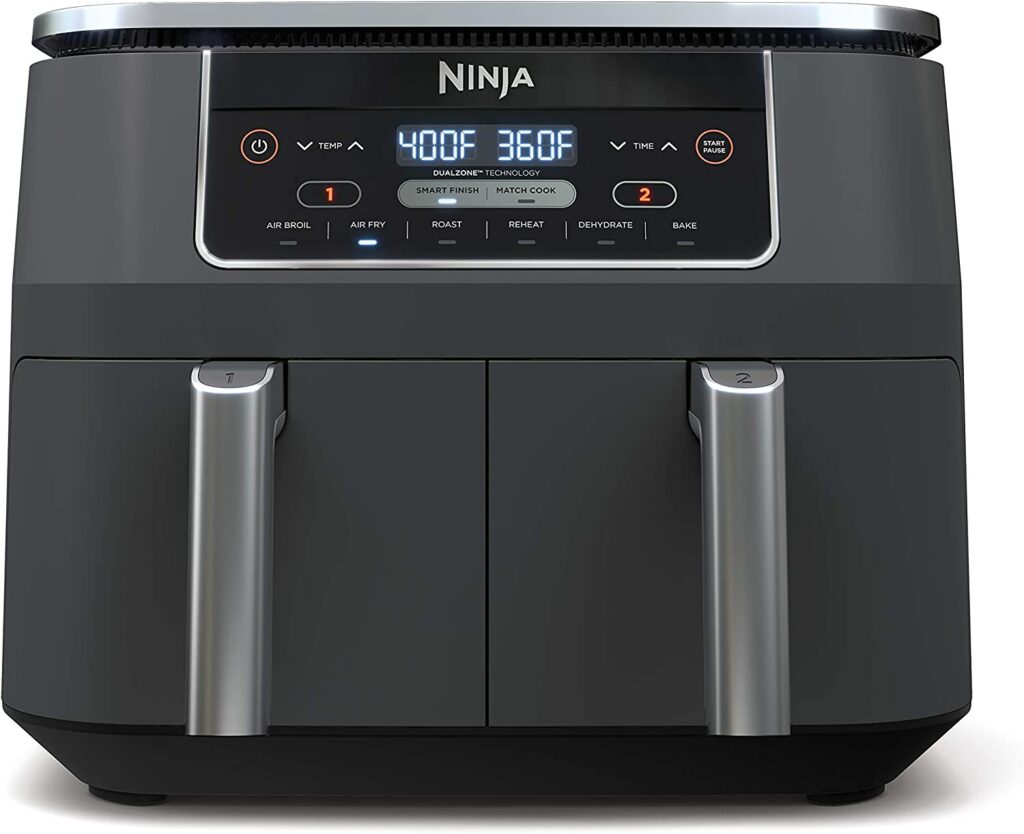
Recommended Equipments:

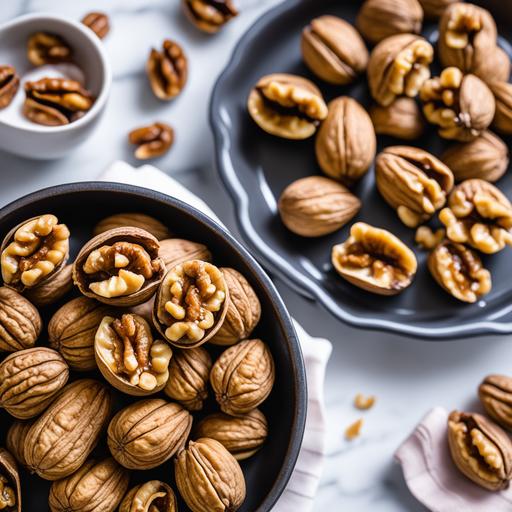
Walnuts are among the most nutrient-dense nuts available, brimming with healthy fats, protein, and a rich array of antioxidants. Roasting walnuts enhances their flavor, unlocking a deep, toasty aroma and a satisfying crunch that elevates everything from salads to baked goods. Traditionally, walnuts are roasted in the oven, but air fryers offer a faster, more energy-efficient alternative. By circulating hot air evenly around the nuts, an air fryer produces a perfectly roasted walnut with minimal effort and less oil than conventional methods. However, roasting walnuts in an air fryer requires careful attention to temperature and timing-walnuts can go from lightly toasted to burnt in a matter of minutes. This guide will explore every step of the process, ensuring your air-fried walnuts are consistently perfect.
Optimal Air Fryer Temperature To Roast Walnuts In Air Fryer
Temperature is the key to achieving walnuts with a rich, golden-brown color and deep flavor. The optimal air fryer temperature for roasting walnuts typically ranges from 320°F to 350°F (160°C to 175°C). This range allows the walnuts to toast evenly without scorching the delicate oils they contain.
- Lower temperature (320°F / 160°C): Produces a slower roast, enhancing flavor depth and maintaining a slightly softer interior. Ideal if you want a more subtle toast without the risk of burning.
- Higher temperature (350°F / 175°C): Roasts walnuts more quickly, yielding a crispier texture and more pronounced nutty flavor. This is excellent for recipes where a stronger roasted profile is desired but requires close monitoring to prevent burning.
Consistently using the correct temperature is critical, as walnuts contain natural oils that can smoke if exposed to excessively high heat.
How Long To Roast Walnuts In Air Fryer
Timing depends on the temperature setting and the quantity of walnuts. Generally:
- At 320°F (160°C): Roast for 6-8 minutes
- At 350°F (175°C): Roast for 4-6 minutes
It’s crucial to shake or stir the walnuts halfway through the cooking time to ensure even browning. Air fryers can cook unevenly depending on their model, and walnuts that touch the basket walls may toast faster. Keep in mind that walnuts continue to cook slightly from residual heat after removal, so a light golden-brown color is ideal when you take them out.
How To Tell If It Is Done
Knowing when walnuts are perfectly roasted requires keen observation:
- Color: Walnuts will change from a pale beige to a warm, golden-brown hue. Avoid dark brown or black edges-these indicate over-roasting.
- Aroma: The nuts will emit a rich, nutty fragrance, more pronounced than raw walnuts.
- Texture: Once cooled slightly, the walnuts should feel crisp yet still slightly tender in the center.
Taste-testing a single nut is the final confirmation. If it’s lightly toasted and flavorful without bitterness, it’s done.
Ingredients Needed
Roasting walnuts is simple and requires minimal ingredients:
- 1 cup raw walnuts (halves or pieces, depending on preference)
- Optional: 1 tsp olive oil or melted butter (enhances browning and flavor)
- Optional seasoning: Pinch of salt, cinnamon, or sugar for sweetened versions
Note: Walnuts can be roasted dry (without oil) for a healthier snack or lightly oiled to enhance flavor and texture.
How To Roast Walnuts In Air Fryer
- Preheat the air fryer to your chosen temperature (320-350°F).
- Prepare the walnuts: Toss walnuts with oil or seasoning if desired. Ensure they are in a single layer for even roasting.
- Place walnuts in the air fryer basket. Avoid overcrowding, as airflow is essential for uniform toasting.
- Cook for the recommended time, shaking the basket halfway through.
- Check for doneness using color, aroma, and texture cues.
- Remove and cool: Spread walnuts on a baking sheet or plate to cool completely. This stops the cooking process and preserves crispness.
What If I Use A Different Air Fryer Temperature?
Altering the temperature changes the roasting dynamics:
- Lower than 320°F: The nuts will roast very slowly, potentially resulting in uneven toasting or less pronounced flavor. You may need to extend cooking time significantly.
- Higher than 350°F: Increases the risk of burning and can create a bitter taste. Even 10-15°F higher can overcook walnuts in a small air fryer basket.
Temperature precision is crucial for uniform results.
What If I Use A Different Air Fryer Cooking Time?
Adjusting time affects texture and flavor:
- Shorter time: Walnuts may remain soft and lack the desired roasted aroma.
- Longer time: Nuts may overcook, turning bitter and sometimes smoking due to their oil content. Always check frequently near the end of cooking.
A combination of visual cues and tasting is more reliable than relying solely on the clock.
When Things Go Wrong
Even careful roasting can occasionally go awry:
- Burnt nuts: If walnuts have dark edges or a bitter taste, reduce temperature and check more frequently next time.
- Uneven roasting: Shake or stir halfway through cooking. Avoid overcrowding.
- Oily or soggy texture: Could indicate the walnuts were too fresh or over-coated in oil. Use minimal oil and ensure even spreading.
Expert Tips
- Use raw walnuts: Pre-roasted walnuts can over-toast quickly.
- Single layer: Ensure nuts aren’t stacked for uniform heat exposure.
- Shake halfway: Crucial for even browning.
- Cool on a flat surface: Prevents residual heat from continuing to cook unevenly.
- Add seasoning post-roast: Salt or spices stick better when nuts are slightly warm, not hot, preventing burning.
FAQs
How Long Does It Take To Roast Walnuts In An Air Fryer?
Walnuts typically roast in an air fryer in 5 to 8 minutes at 325°F (163°C). Because air fryers vary, begin checking at the 4-minute mark to prevent burning.
Do I Need To Preheat The Air Fryer Before Roasting Walnuts?
Preheating is recommended for consistent roasting. Allow the air fryer to warm up for 2 to 3 minutes at the desired temperature before adding the walnuts.
Should I Season Or Oil The Walnuts Before Roasting?
You can roast walnuts dry, but adding a small amount of oil helps coatings such as salt, cinnamon, or savory spices adhere more effectively. Avoid excessive oil, as walnuts already contain natural fats.
How Can I Keep Walnuts From Burning In The Air Fryer?
Roast at a moderate temperature, shake the basket halfway through, and monitor closely in the final minutes. Walnuts can go from toasted to burnt quickly due to their high oil content.
Can I Roast Walnuts In The Air Fryer From Raw Or Soaked?
Both raw and soaked walnuts can be roasted. If soaked, dry them thoroughly with paper towels first to ensure even roasting and to prevent steaming.
How Do I Store Air-fried Roasted Walnuts?
After cooling completely, store the roasted walnuts in an airtight container. They last about two weeks at room temperature or up to three months in the freezer.
What Are Signs That The Walnuts Are Fully Roasted?
Properly roasted walnuts will be fragrant, slightly darker in color, and crisp when cooled. If they taste bitter or appear overly dark, they may be over-roasted.