
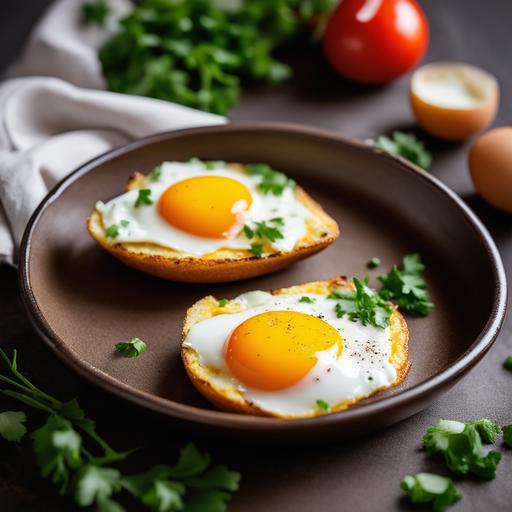
How To Cook Fried Eggs In Air Fryer [FULL GUIDE]
Recommended Equipments:
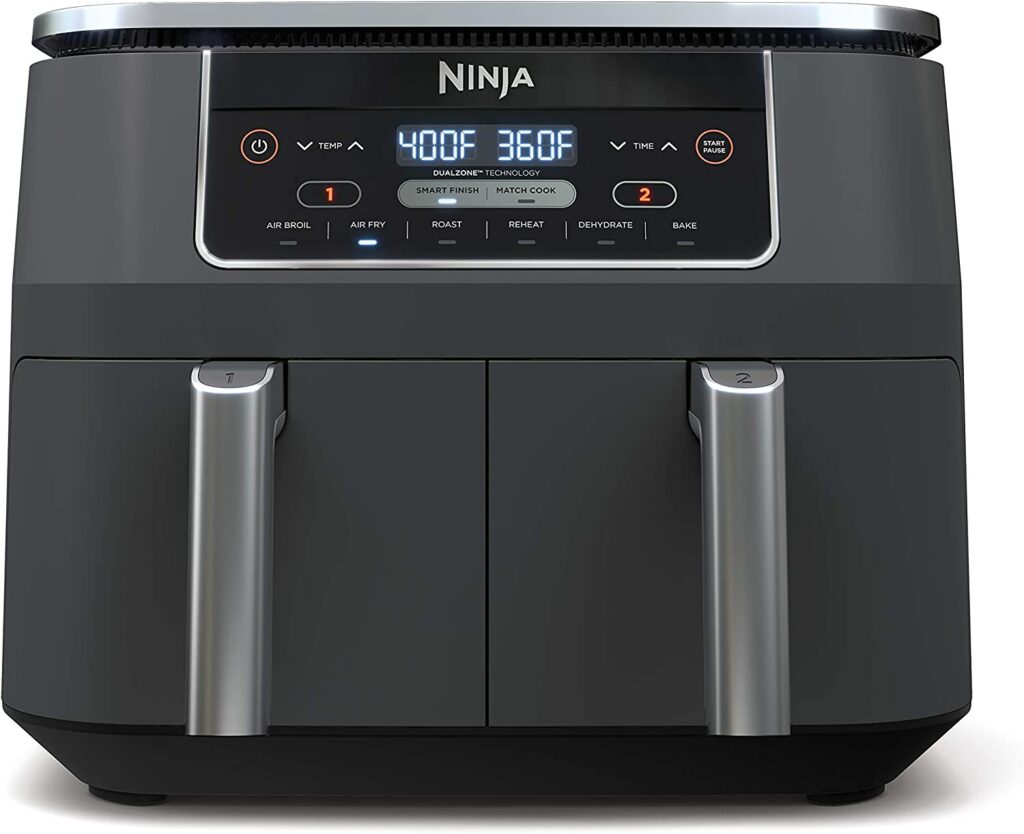
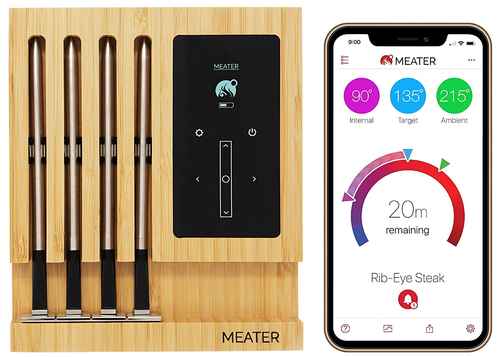
The humble fried egg, a breakfast staple, is deceptively simple yet infinitely versatile. Traditionally cooked in a pan with butter or oil, frying eggs can now take on a modern twist with the air fryer. Air fryers, celebrated for their convenience, rapid cooking, and reduced oil usage, offer a healthier and cleaner alternative for preparing eggs while maintaining the satisfying texture and flavor of traditional frying. However, mastering the perfect air-fried egg requires understanding the nuances of temperature, cooking time, and technique, as air fryers cook differently than stovetop methods. In this guide, we’ll explore every detail you need to transform your air fryer into a precision egg-frying machine.
Optimal Air Fryer Temperature To Cook Fried Eggs In Air Fryer
Temperature is the cornerstone of cooking eggs in an air fryer. For most models, 325°F to 350°F (163°C to 177°C) is the sweet spot. At this range, the whites solidify without becoming rubbery, while the yolk maintains a luscious, slightly runny texture if desired. Going above 375°F (190°C) risks overcooking the egg whites before the yolk reaches the perfect consistency, producing tough edges and an uneven texture.
Different air fryer models vary in heat distribution; some have stronger convection currents, which may cause the edges to crisp faster. Using a moderate temperature ensures a controlled cooking process, giving you a predictable outcome every time.
How Long To Cook Fried Eggs In Air Fryer
Cooking time depends on temperature and the desired doneness:
- Soft yolk: 4-5 minutes at 325-350°F
- Medium yolk: 6-7 minutes at 325-350°F
- Fully cooked yolk: 8-9 minutes at 325-350°F
These times are based on using an air fryer basket or small oven-safe dish. Larger or deeper eggs may require slightly longer cooking. It’s also important to note that cooking two or more eggs at once can slightly extend the time due to reduced air circulation.
How To Tell If It Is Done
The most reliable indicator of a perfectly cooked air-fried egg is texture:
- Egg whites should be fully opaque and firm, without any translucent patches.
- Yolk should match your preferred doneness: slightly jiggly for runny, lightly set for medium, or fully firm for hard.
- A gentle touch with a spatula or the back of a spoon can help gauge donformance. Avoid pressing too hard, which may break the yolk.
Visual cues are key since air fryers cook by hot circulating air, and residual heat can continue cooking the egg even after removal.
Ingredients Needed
Minimalist ingredients make this recipe accessible and customizable:
- Fresh eggs (1-4 depending on basket size)
- Cooking spray or a teaspoon of oil (optional, to prevent sticking)
- Salt and pepper, to taste
- Optional toppings: chopped herbs, cheese, paprika, or hot sauce
No heavy batter, no breading-just pure egg goodness elevated by the air fryer.
How To Cook Fried Eggs In Air Fryer
- Preheat the air fryer to 325-350°F.
- Prepare your cooking surface: Lightly grease a small oven-safe dish or air fryer silicone cup with cooking spray or a touch of oil. This prevents sticking and promotes even cooking.
- Crack the eggs carefully into the prepared dish, keeping yolks intact.
- Season with salt and pepper.
- Place in air fryer basket and cook for 4-9 minutes, depending on desired yolk doneness.
- Check for doneness halfway through; gently tilt the dish to ensure whites are firming evenly.
- Remove carefully using a spatula. Serve immediately for the best texture.
What If I Use A Different Air Fryer Temperature?
Altering the temperature affects cooking speed and texture:
- Lower temperatures (300°F or below): The egg will cook more gently, producing creamier whites and yolks but requiring 1-2 extra minutes.
- Higher temperatures (360-375°F+): Whites set quickly, potentially leaving yolks undercooked if not monitored carefully. Edges may crisp or brown unevenly, which may or may not suit your preference.
Understanding your air fryer’s quirks is essential; some models have hotspots that can brown whites before yolks set, while others cook very evenly.
What If I Use A Different Air Fryer Cooking Time?
Adjusting cooking time changes doneness dramatically:
- Shorter cooking times yield softer whites and runnier yolks.
- Longer cooking times result in fully set whites and firm yolks, sometimes with crispy edges.
- Checking the egg visually after 3-4 minutes ensures you don’t overcook, especially if experimenting with new recipes or air fryer brands.
When Things Go Wrong
Even air fryer experts encounter mishaps:
- Undercooked whites: Simply return the egg to the fryer for 30-60 seconds at the same temperature.
- Overcooked yolks: Reduce future cooking time or lower temperature; unfortunately, overcooked yolks cannot be reversed.
- Sticking to the dish: Ensure proper greasing or use a silicone liner; avoid non-stick sprays that burn under high heat.
- Uneven cooking: Rotate the dish halfway through cooking to promote even air circulation.
Learning from these mistakes allows precision in future batches.
Expert Tips
- Use fresh eggs: Fresher eggs hold their shape better and cook more evenly.
- Preheat the air fryer: Prevents the whites from spreading too thinly.
- Small dishes or silicone cups: Keeps eggs contained and prevents messy edges.
- Season after cooking: Salt can sometimes draw out moisture if added too early, making whites watery.
- Experiment with toppings: Sprinkle cheese, herbs, or spices during the last minute of cooking for added flavor without affecting texture.
FAQs
Can I Cook Fried Eggs Directly In The Air Fryer Basket?
It is not recommended to crack eggs directly into the air fryer basket because the liquid can drip through and create a mess. Use a small oven-safe dish, silicone cup, or parchment paper to contain the egg while cooking.
What Temperature Should I Set My Air Fryer To Cook Fried Eggs?
The ideal temperature for cooking fried eggs in an air fryer is between 320°F to 350°F (160°C to 175°C). This allows the egg whites to set without overcooking the yolk.
How Long Does It Take To Cook Fried Eggs In An Air Fryer?
Cooking fried eggs in an air fryer usually takes between 5 to 7 minutes, depending on the desired level of doneness and the size of the egg. For softer yolks, check at 4-5 minutes.
Do I Need To Preheat The Air Fryer Before Cooking Eggs?
Yes, preheating the air fryer for 2-3 minutes can help ensure even cooking. However, some air fryer models cook efficiently without preheating, so check your specific model’s recommendations.
Can I Cook Multiple Fried Eggs At Once In The Air Fryer?
Yes, but make sure to use separate dishes or silicone cups for each egg to prevent them from merging. Avoid overcrowding to allow hot air circulation for even cooking.
Should I Add Oil Or Butter To The Dish Before Cooking?
Adding a small amount of oil or butter to the cooking dish can prevent sticking and enhance flavor. A light coating is sufficient; too much can cause excess smoke.
How Do I Achieve A Runny Yolk When Cooking Eggs In An Air Fryer?
To get a runny yolk, cook the egg at 320°F (160°C) for around 4-5 minutes, then check the yolk consistency. Cooking longer will result in a firmer yolk, so monitor closely.