
How To Dehydrate Chicken In Air Fryer [FULL GUIDE]
Recommended Equipments:
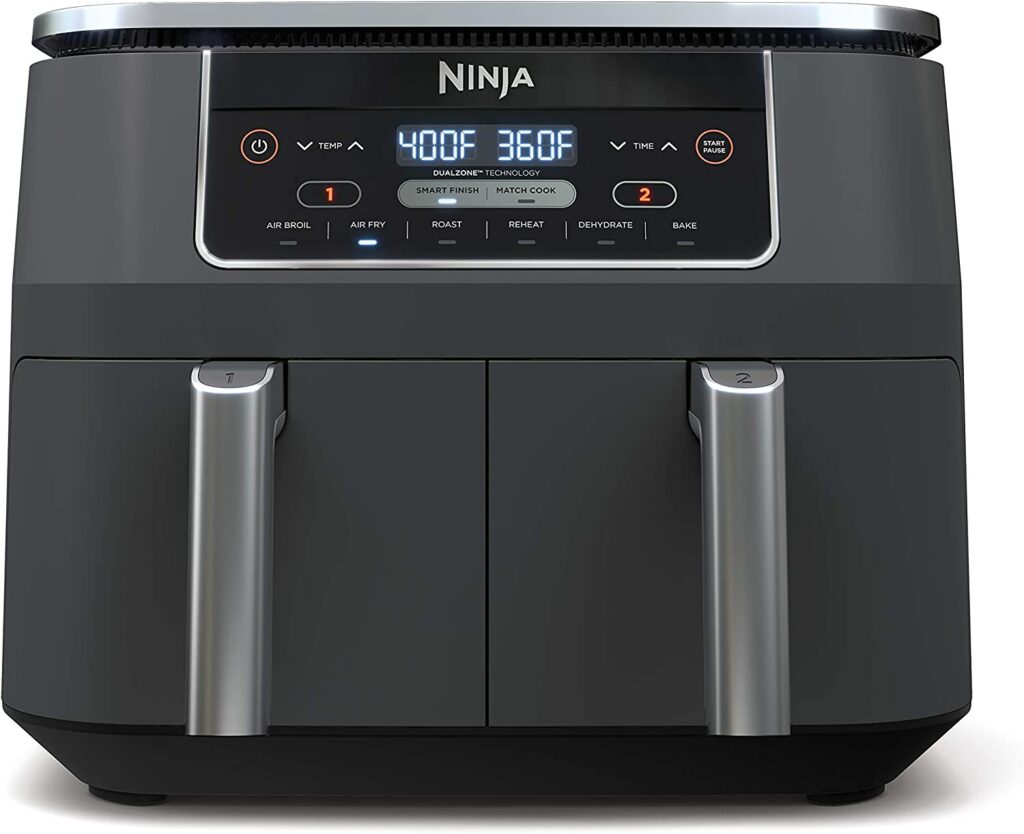
Dehydrated chicken is a versatile and nutrient-dense snack, ideal for protein-packed lunches, hiking trips, or homemade pet treats. Traditionally, dehydrating meat requires a dedicated dehydrator or long hours in a low-temperature oven. However, the modern air fryer offers a convenient alternative, combining circulating hot air with compact efficiency to transform raw chicken into perfectly dried, shelf-stable strips. Unlike fried or baked chicken, dehydrated chicken has a concentrated flavor, chewy texture, and impressive longevity, making it an excellent choice for both human consumption and pet nutrition. In this guide, we will explore the science, timing, temperatures, and troubleshooting tips needed to achieve consistent results.
Optimal Air Fryer Temperature To Dehydrate Chicken In Air Fryer
Temperature control is crucial when dehydrating chicken in an air fryer. Unlike traditional cooking, dehydration requires slow removal of moisture without cooking the meat fully. The ideal range for air fryer dehydration is 135°F to 165°F (57°C to 74°C).
- Lower end (135-145°F / 57-63°C): Ideal for preserving maximum nutrients and producing a chewier texture. However, dehydration may take longer.
- Middle range (150°F / 65°C): A balanced temperature for moderate drying speed and texture consistency.
- Higher end (160-165°F / 71-74°C): Accelerates dehydration but risks uneven drying or overly brittle chicken.
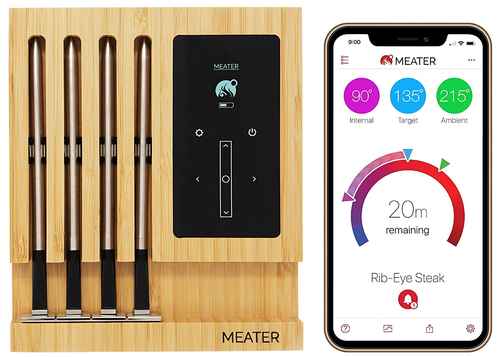
It’s essential to consult your air fryer’s manual, as some models may not maintain very low temperatures consistently. Using a digital thermometer probe can help monitor the internal temperature, ensuring safe dehydration without accidental cooking.
How Long To Dehydrate Chicken In Air Fryer
Dehydration time depends on chicken thickness, cut type, and your air fryer model. As a general guide:
- Thin strips (1/4 inch / 0.6 cm): 2-3 hours
- Medium strips (1/2 inch / 1.3 cm): 3-4 hours
- Thicker cuts or chunks (3/4 inch / 2 cm+): 4-6 hours
It’s recommended to flip or rotate the chicken halfway through the process to ensure even airflow and uniform drying. Keep in mind that smaller or thinner pieces dehydrate faster, but they may also dry out too quickly if the temperature is too high.
How To Tell If It Is Done
Properly dehydrated chicken should be:
- Firm and dry: Bendable but not sticky or soft.
- No moisture pockets: Cut or tear a piece to check for any damp interior.
- Chewy, not brittle: The meat should snap slightly but remain pliable.
If the chicken is still soft or shows signs of moisture, continue dehydrating in 15-30 minute intervals, checking frequently to prevent over-drying.
Ingredients Needed
For basic dehydrated chicken, the ingredient list is minimal:
- 1-2 pounds of boneless, skinless chicken breast or thigh
-
Optional seasonings:
- Salt
- Pepper
- Garlic powder
- Onion powder
- Paprika
- Liquid smoke (for jerky-like flavor)
No oil or water is necessary, as the goal is to remove moisture rather than cook the meat traditionally.
How To Dehydrate Chicken In Air Fryer
- Preparation: Rinse the chicken and pat dry. Trim excess fat, as fat can spoil faster during storage.
- Slice: Cut the chicken into uniform strips or cubes, about 1/4-1/2 inch thick, to ensure even dehydration.
- Season: Optional-apply a dry rub or marinade, making sure the pieces are coated lightly. Avoid excessive liquid, which prolongs dehydration time.
- Arrange: Place chicken strips in a single layer in your air fryer basket, ensuring they do not overlap. Proper airflow is critical for even drying.
- Set temperature: Preheat your air fryer to 150°F (65°C).
- Dehydrate: Cook for 2-4 hours, flipping halfway through. Check periodically for dryness.
- Cool and store: Allow dehydrated chicken to cool completely before storing in an airtight container or vacuum-sealed bag. Properly dehydrated chicken can last several weeks at room temperature or months if refrigerated/frozen.
What If I Use A Different Air Fryer Temperature?
- Lower than recommended: Dehydration will be slower and may take longer than expected. Low temperatures are safer for preserving nutrients but require patience.
- Higher than recommended: Drying accelerates but can cook the chicken partially, risking uneven texture and potential bacterial growth in thicker pieces. Always monitor closely if increasing temperature above 165°F.
What If I Use A Different Air Fryer Cooking Time?
- Shorter time: Chicken will remain moist internally and may spoil if stored.
-
Longer time: Chicken may become overly brittle or tough, losing the ideal chewy texture.
Dehydration is a balance of time and temperature; small adjustments require careful observation to avoid under- or over-drying.
When Things Go Wrong
- Chicken is still wet after long dehydration: Slice pieces thinner, increase airflow, or raise temperature slightly.
- Chicken too dry or hard: Reduce time or slightly lower the temperature in future attempts.
- Uneven drying: Ensure strips are uniform in size and not overlapping, and rotate or shake the basket occasionally.
- Off odor or discoloration: Could indicate spoilage-discard immediately. Proper storage and low-fat cuts prevent rancidity.
Expert Tips
- Uniform thickness: Ensures even drying and consistent texture.
- Use a rack insert: If your air fryer allows, a rack promotes better airflow around each strip.
- Rotate trays: For air fryers with multi-layered baskets, switch positions halfway to prevent hotspots.
- Cool before storing: Residual heat can create condensation in storage containers, leading to mold.
- Vacuum sealing: Extends shelf life and prevents moisture absorption from the environment.
FAQs
What Is The Best Type Of Chicken To Use For Air Fryer Dehydration?
The best types of chicken for dehydration are lean cuts such as chicken breast or tenderloin. These cuts have lower fat content, which reduces the risk of spoilage and ensures even drying. Avoid using dark meat or chicken with skin, as higher fat content can lead to uneven dehydration and shorter shelf life.
Do I Need To Cook The Chicken Before Dehydrating It In An Air Fryer?
No, the chicken does not need to be fully cooked before dehydrating. However, it should be partially cooked or blanched to reduce the risk of bacterial contamination. Many recipes recommend boiling or baking the chicken until it reaches an internal temperature of at least 160°F (71°C) before placing it in the air fryer for dehydration.
What Temperature And Time Should I Use To Dehydrate Chicken In An Air Fryer?
For effective dehydration, set the air fryer temperature between 160°F and 175°F (70°C-80°C). The process typically takes 4-6 hours, depending on the thickness of the chicken slices. It’s important to check the chicken periodically and flip the pieces to ensure even drying.
How Should I Prepare The Chicken Before Placing It In The Air Fryer?
Start by trimming excess fat and slicing the chicken into uniform, thin strips about 1/4 inch thick. Marinate or season as desired, then pat the pieces dry with paper towels. Proper slicing and drying of the surface help the air fryer dehydrate the chicken evenly and efficiently.
How Do I Know When The Chicken Is Fully Dehydrated?
The chicken is fully dehydrated when it is dry, firm, and leathery, with no moisture in the thickest parts. It should bend slightly without breaking but should not feel soft or sticky. For safety, the internal temperature of the dehydrated chicken should reach at least 165°F (74°C).
How Should Dehydrated Chicken Be Stored To Maintain Freshness?
Once fully dehydrated, allow the chicken to cool completely before storing it in airtight containers, vacuum-sealed bags, or mason jars. Store in a cool, dark, and dry place. Properly dehydrated and stored chicken can last 1-2 months at room temperature or 6-12 months in the freezer.
Can I Use An Air Fryer To Dehydrate Chicken Jerky Safely?
Yes, an air fryer can safely dehydrate chicken into jerky, provided the temperature is carefully controlled and the chicken is handled hygienically. Using lean cuts, ensuring even slicing, and reaching a safe internal temperature are essential for preventing bacterial growth and producing safe, long-lasting jerky.