
How To Cook Bacon In Halogen Air Fryer [FULL GUIDE]
Recommended Equipments:
Bacon is one of those culinary delights that carries a unique allure-its smoky aroma, the satisfying crunch, and that perfect balance of fat and meat make it a breakfast favorite and a versatile ingredient in countless recipes. Traditionally, bacon has been pan-fried or baked in an oven, but the emergence of halogen air fryers has revolutionized the way we approach cooking it. A halogen air fryer uses rapid hot air circulation to cook food evenly, producing a crisp exterior while retaining a tender interior. This method reduces grease splatter, shortens cooking time, and often requires little to no added fat, making it a cleaner, more efficient way to achieve bacon perfection.
However, cooking bacon in a halogen air fryer isn’t as simple as turning it on and tossing the strips inside. Temperature, timing, and even the thickness of your bacon all play critical roles in determining the final texture and flavor. In this guide, we will delve into every aspect-from the optimal temperature and cooking time to troubleshooting tips and expert techniques-to ensure your bacon comes out perfectly every single time.
Optimal Air Fryer Temperature To Cook Bacon In A Halogen Air Fryer
When it comes to cooking bacon in a halogen air fryer, temperature control is key. Too low, and the bacon will cook unevenly, leaving chewy sections; too high, and it can burn or curl excessively. The optimal temperature range for bacon in a halogen air fryer is typically 350°F to 400°F (175°C to 200°C).
- 350°F (175°C): Ideal for thicker-cut bacon. This slightly lower temperature allows the fat to render gradually, resulting in evenly cooked, slightly chewier bacon.
- 375°F (190°C): The sweet spot for most standard bacon slices. It balances crispiness and tenderness, allowing the edges to brown without overcooking.
- 400°F (200°C): Best for thin-cut bacon or for those who prefer a very crispy texture. However, at this temperature, careful monitoring is required to avoid burning.
Halogen air fryers differ from conventional air fryers because the heat source is often more direct and intense, so using a moderate temperature initially can prevent hot spots and excessive smoke.
How Long To Cook Bacon In A Halogen Air Fryer
Cooking time depends on bacon thickness and personal preference for doneness:
- Thin-cut bacon: 6-8 minutes at 375°F (190°C)
- Regular-cut bacon: 8-12 minutes at 375°F (190°C)
- Thick-cut bacon: 12-15 minutes at 350°F (175°C)
The key is to turn the bacon halfway through cooking. This ensures even exposure to the circulating hot air and promotes uniform crispness on both sides. Keep in mind that the halogen air fryer cooks quickly due to the concentrated heat, so always check a few minutes before the expected end time to avoid overcooking.
How To Tell If It Is Done
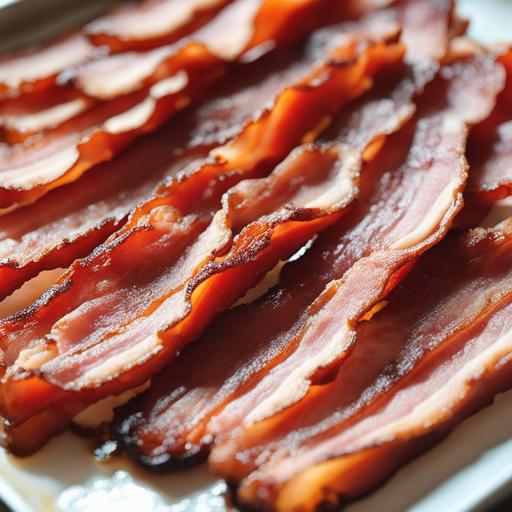
Perfectly cooked bacon in a halogen air fryer should have a deep golden-brown color with a slightly caramelized sheen. Here are ways to determine doneness:
- Visual cues: Edges should curl slightly, and the fat should appear rendered but not burnt.
- Texture: It should snap when bent for crispy bacon. Chewier bacon will bend without breaking.
- Smell: A rich, smoky aroma signals the bacon is nearly done; burnt or acrid smells indicate overcooking.
Remember, bacon continues to crisp slightly after removal due to residual heat, so avoid overcooking in the fryer.
Ingredients Needed
Cooking bacon in a halogen air fryer is incredibly simple:
- 6-12 slices of bacon (thin, regular, or thick-cut)
- Optional: black pepper, brown sugar, or maple syrup for flavor variations
- Parchment paper or an air fryer rack (if your halogen fryer includes one)
No additional oil is needed since bacon releases its own fat during cooking.
How To Cook Bacon In A Halogen Air Fryer
- Preheat the air fryer: Set the temperature according to bacon thickness (350-375°F). Preheating ensures even cooking.
- Prepare the bacon: Lay slices in a single layer in the air fryer basket or on a rack. Avoid overlapping.
- Optional seasoning: Sprinkle with pepper or a light dusting of sugar if desired.
- Cook: Insert the basket and cook for the recommended time, flipping the bacon halfway through.
- Drain excess grease: Once cooked, transfer bacon to a plate lined with paper towels to absorb extra grease.
- Serve immediately: Enjoy crispy bacon as a side or ingredient in recipes.
What If I Use A Different Air Fryer Temperature?
- Lower temperatures (<350°F / 175°C): Bacon will cook more slowly. Fat will render gradually, but it may remain chewy. Ideal if you want more control over doneness.
- Higher temperatures (>400°F / 200°C): Bacon cooks rapidly and becomes very crispy but can burn easily, especially thin-cut slices. Continuous monitoring is crucial.
Adjusting the temperature will require tweaking cooking times, so always check the bacon a few minutes before the expected finish.
What If I Use A Different Air Fryer Cooking Time?
- Shorter cooking times: Bacon may be undercooked and chewy. You can always return it to the fryer in 1-2 minute increments until desired doneness is achieved.
- Longer cooking times: Bacon can burn quickly due to residual fat, especially at higher temperatures. Always monitor closely to prevent overcooking.
Timing and temperature work hand-in-hand; changing one usually requires adjusting the other.
When Things Go Wrong
Common issues include:
- Bacon curling: Usually due to high heat. Use a lower temperature or flatten slices with tongs halfway through cooking.
- Uneven cooking: Avoid overlapping slices and flip halfway through.
- Excess smoke: Thin bacon or high temperatures can produce smoke. Wipe excess grease from the basket and ensure good ventilation.
- Burnt edges: Reduce temperature slightly or shorten cooking time.
Expert Tips
- Use a rack if possible: Elevates bacon for more even air circulation and prevents it from sitting in fat.
- Pat bacon dry: Reduces splattering and ensures better crisping.
- Don’t overcrowd the fryer: Cook in batches for the crispiest results.
- Experiment with flavors: Brown sugar, maple syrup, or smoked paprika add an exciting twist.
- Clean immediately: Hot bacon fat can harden and become difficult to remove.
FAQs
What Temperature Should I Set My Halogen Air Fryer To Cook Bacon?
For crispy bacon, set your halogen air fryer to 375°F (190°C). This temperature allows the bacon to cook evenly and achieve a crisp texture without burning.
How Long Does It Take To Cook Bacon In A Halogen Air Fryer?
Cooking time varies depending on the thickness of the bacon slices. Thin slices usually take 8-10 minutes, while thicker slices may require 12-15 minutes. It is recommended to check halfway through and adjust as needed.
Should I Preheat The Halogen Air Fryer Before Cooking Bacon?
Yes, preheating the halogen air fryer for 2-3 minutes ensures even cooking and helps achieve a uniform crispiness across all bacon slices.
Do I Need To Use Oil Or Cooking Spray When Making Bacon In A Halogen Air Fryer?
No additional oil is needed. Bacon naturally releases fat as it cooks, which is sufficient to prevent sticking and create a crispy texture. However, lightly spraying the basket can help prevent any sticking if preferred.
Can I Cook Multiple Layers Of Bacon In A Halogen Air Fryer?
It is best to cook bacon in a single layer for even cooking. If you need to cook more, use a rack accessory to separate layers, allowing hot air to circulate properly and prevent uneven cooking.
How Do I Prevent Bacon From Curling In A Halogen Air Fryer?
To minimize curling, lay bacon slices flat and avoid overlapping them. Using a rack can also help keep the bacon flat by allowing air to circulate underneath while supporting the slices.
How Should I Clean The Halogen Air Fryer After Cooking Bacon?
Allow the air fryer to cool completely, then remove the basket and tray. Wash them with warm, soapy water or place them in the dishwasher if they are dishwasher-safe. Wipe the main chamber with a damp cloth, avoiding water contact with the heating element.