

How To Cook Eggplant In Air Fryer [FULL GUIDE]
Recommended Equipments:
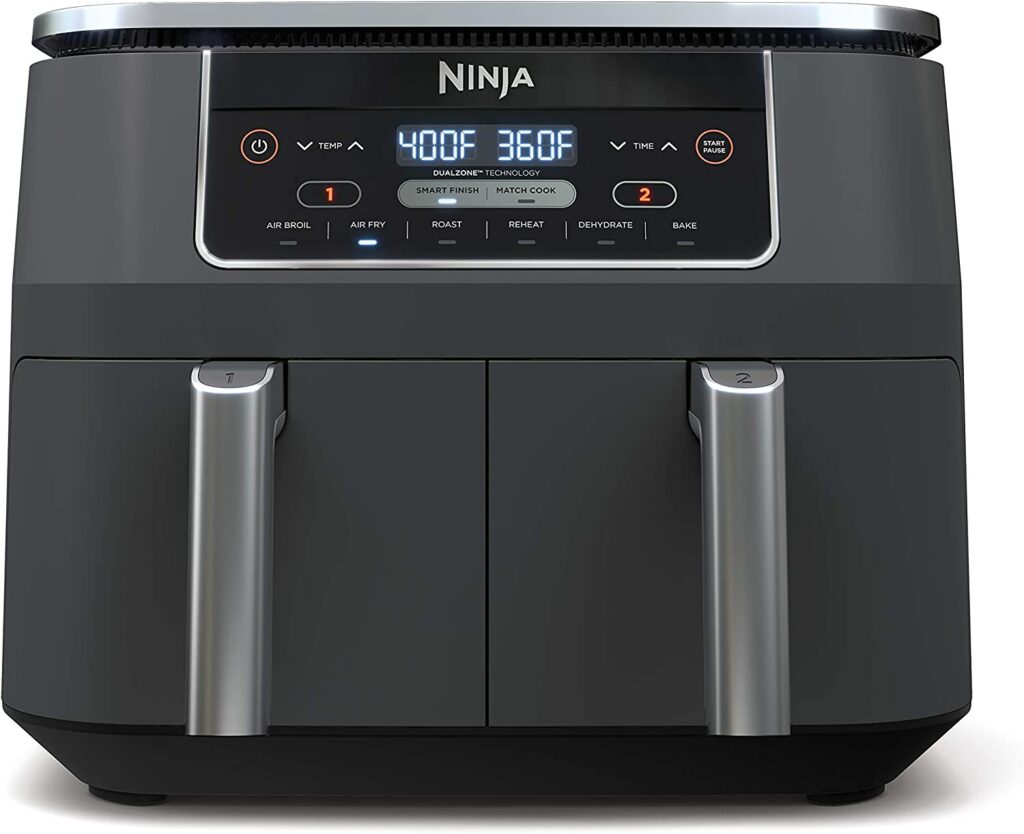
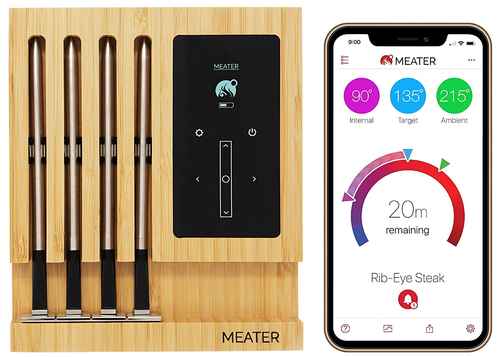
Eggplant, also known as aubergine, is a versatile vegetable beloved for its creamy texture and ability to absorb flavors. While traditionally roasted, grilled, or fried, air frying has emerged as a revolutionary method that retains the eggplant’s natural richness while creating a delightfully crisp exterior with minimal oil. Using an air fryer for eggplant not only makes the dish healthier but also faster and more convenient, making it an excellent choice for busy cooks who want a flavorful, guilt-free treat. However, achieving the perfect balance between tenderness and crispness requires an understanding of temperature, timing, and preparation nuances. This guide delves into every detail to ensure your air-fried eggplant is perfectly cooked every time.
Optimal Air Fryer Temperature To Cook Eggplant In Air Fryer
The ideal temperature for air frying eggplant is generally between 375°F (190°C) and 400°F (205°C). Temperatures in this range allow the natural sugars in the eggplant to caramelize, creating a golden-brown crust while preventing it from becoming mushy inside. Cooking at a lower temperature (around 350°F / 175°C) can yield a softer, less crispy result, while higher temperatures (above 400°F / 205°C) risk burning the exterior before the interior is fully cooked. The sweet spot is around 380°F (193°C) for uniform cooking, crisp edges, and a tender, flavorful center.
How Long To Cook Eggplant In Air Fryer
Cooking time depends on the form of your eggplant-slices, cubes, or sticks-but generally ranges between 15 to 20 minutes. For thin slices (½ inch or less), 12-15 minutes is sufficient, flipping halfway through to ensure even browning. Cubes or chunks, which are denser, usually require 18-20 minutes. It’s essential to check periodically because air fryer models vary in heat distribution, and eggplant thickness can affect cooking times. The goal is a tender, creamy interior and a lightly crisped exterior.
How To Tell If It Is Done
Eggplant is done when it achieves a golden-brown exterior with tender, creamy flesh inside. You can test this by gently pressing the flesh with a fork or knife-it should yield easily without collapsing. Another visual clue is slight shrinkage in size, which indicates water has evaporated, concentrating flavor. If your eggplant is still firm or rubbery, it needs additional cooking time; if it’s collapsed or overly soft, it has overcooked.
Ingredients Needed
- 1 medium eggplant (or about 2 cups of sliced/cubed eggplant)
- 1-2 tablespoons olive oil (or cooking spray)
- Salt and pepper to taste
- Optional flavorings: garlic powder, smoked paprika, Italian seasoning, or Parmesan cheese for a crispy finish.
How To Cook Eggplant In Air Fryer
- Prepare the Eggplant: Wash and dry the eggplant, then slice or cube it evenly to ensure uniform cooking.
- Season: Toss the pieces with olive oil, salt, pepper, and any desired seasonings. Even coating is essential to prevent sticking and promote browning.
- Preheat the Air Fryer: Preheat to 380°F (193°C) for 3-5 minutes. Preheating ensures immediate searing and crisping.
- Arrange in Basket: Place the eggplant in a single layer with some space between pieces for air circulation. Overcrowding will result in steaming rather than crisping.
- Cook: Air fry for 15-20 minutes, shaking the basket or flipping halfway through. Adjust time based on thickness and desired crispness.
- Check for Doneness: Use a fork or knife to test for tenderness. If not yet done, cook an additional 2-3 minutes and check again.
What If I Use A Different Air Fryer Temperature?
- Lower than 375°F (190°C): Eggplant will cook more slowly, resulting in a softer texture with less browning. It’s good if you prefer a melt-in-your-mouth consistency rather than crispness.
- Higher than 400°F (205°C): Eggplant may brown quickly but risk burning or drying out before the interior is fully cooked. High heat requires constant monitoring.
What If I Use A Different Air Fryer Cooking Time?
- Shorter time: Eggplant will likely be undercooked and firm. It may need an extra few minutes at the same temperature.
- Longer time: Eggplant may collapse, become overly soft, or develop a slightly bitter taste if overcooked. Keep an eye on color and texture.
When Things Go Wrong
- Too soggy: Likely due to overcrowding, insufficient preheating, or lower temperature. Remove excess moisture, spread pieces evenly, and consider a higher heat.
- Too dry or burnt: Caused by high temperature, excessive cooking time, or too little oil. Reduce temperature, shorten cooking time, and lightly coat eggplant with oil.
- Uneven cooking: Often due to irregular size or not flipping/shaking the basket. Ensure uniform pieces and turn midway through cooking.
Expert Tips
- Salt the eggplant lightly before cooking to draw out excess moisture, especially for thicker slices; pat dry afterward to prevent sogginess.
- Use a light oil spray rather than pouring olive oil to avoid greasiness while still achieving crispness.
- Avoid overcrowding-air must circulate freely for that signature air-fried texture.
- Pair air-fried eggplant with sauces like marinara, tahini, or yogurt dips for enhanced flavor.
- Experiment with breading or Parmesan coating for a crispy, indulgent variation.
FAQs
What Is The Best Way To Prepare Eggplant Before Air Frying?
To prepare eggplant for the air fryer, start by washing and drying it thoroughly. You can peel it if desired, although the skin is edible and nutritious. Slice the eggplant into uniform pieces-cubes, rounds, or strips-for even cooking. Optionally, sprinkle with salt and let it sit for 15-30 minutes to draw out excess moisture, then pat dry to prevent sogginess.
Do I Need To Oil Eggplant Before Air Frying?
Yes, lightly coating the eggplant with oil helps achieve a golden-brown texture and prevents it from sticking to the air fryer basket. Use a high smoke point oil like olive, avocado, or vegetable oil, and apply it evenly using a brush or a light spray to avoid excess greasiness.
What Temperature Should I Set My Air Fryer For Eggplant?
The ideal air fryer temperature for eggplant is typically between 375°F to 400°F (190°C to 200°C). Cooking at this temperature allows the eggplant to become tender inside while developing a crispy exterior.
How Long Does It Take To Cook Eggplant In An Air Fryer?
Cooking time depends on the cut of the eggplant. Small cubes or thin slices generally take 12-15 minutes, while thicker slices or halves may require 18-20 minutes. Shake the basket or flip the pieces halfway through to ensure even cooking.
Should I Soak Or Salt Eggplant Before Air Frying?
Salting is optional but recommended for larger or older eggplants. It helps reduce bitterness and removes excess water, which prevents sogginess. After salting, rinse and pat dry before air frying to maintain crispiness.
Can I Cook Breaded Eggplant In The Air Fryer?
Yes, breaded eggplant cooks well in an air fryer. Coat slices in flour, egg wash, and breadcrumbs or panko for a crispy exterior. Air fry at 375°F for 12-15 minutes, flipping halfway through. Lightly spraying oil on the breaded surface improves browning and crunch.
How Can I Prevent Eggplant From Becoming Soggy In The Air Fryer?
To prevent sogginess, slice the eggplant evenly, lightly salt and drain excess moisture, coat lightly with oil, and avoid overcrowding the air fryer basket. Cooking in a single layer allows hot air to circulate, producing a crisp exterior while keeping the interior tender.