
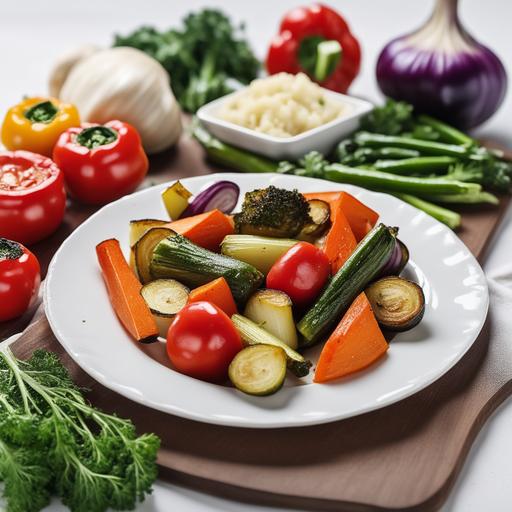
How To Dehydrate Vegetables In Air Fryer [FULL GUIDE]
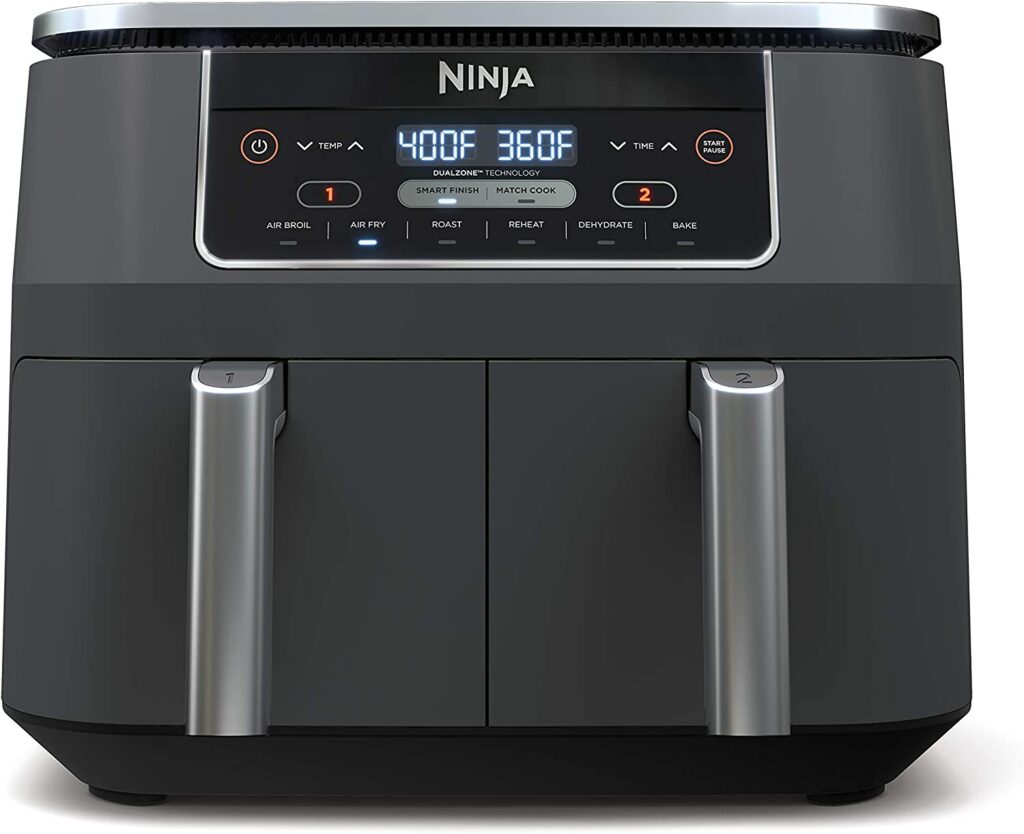
Recommended Equipments:

Dehydrating vegetables is an age-old preservation method that enhances flavor, extends shelf life, and provides a convenient way to incorporate nutrient-dense snacks into your daily routine. Traditionally done using large dehydrators or low-temperature ovens, this process is now more accessible thanks to modern kitchen appliances, particularly the air fryer. The air fryer, renowned for its ability to crisp and cook food efficiently with minimal oil, also doubles as a surprisingly effective dehydrator. Using circulating hot air, it removes moisture from vegetables while preserving their texture, taste, and nutritional value. Dehydrated vegetables are perfect for snacks, soups, stews, or even as a lightweight addition to hiking and camping meals. Understanding the subtleties of temperature, timing, and vegetable preparation can transform this seemingly simple task into a culinary craft.
Optimal Air Fryer Temperature To Dehydrate Vegetables In Air Fryer
Temperature control is the cornerstone of successful vegetable dehydration. For most vegetables, the ideal temperature range is 120°F to 140°F (50°C to 60°C). This low-heat setting allows moisture to evaporate slowly without cooking the vegetables, which preserves their natural color, flavor, and nutrients.
- Below 120°F (50°C): Dehydration becomes inefficient and excessively prolonged, which may lead to partial spoilage if the moisture is not removed in time.
- Above 140°F (60°C): The risk of cooking or even burning the vegetables increases, and delicate vitamins, such as vitamin C, can degrade.
Some air fryers may not display such precise low temperatures, so if your model starts at 160°F (70°C), you can still dehydrate by keeping a close watch, shaking the basket periodically, and adjusting the cooking time accordingly.
How Long To Dehydrate Vegetables In Air Fryer
Dehydration time is largely dependent on the type, size, and water content of the vegetable slices. On average:
- Thin slices (1/8 inch or 3 mm): 1.5-3 hours
- Medium slices (1/4 inch or 6 mm): 2.5-4 hours
- Thicker chunks or denser vegetables (carrots, beets): 4-6 hours
High-moisture vegetables like zucchini, tomatoes, or bell peppers generally take longer than low-moisture vegetables such as carrots, broccoli stems, or kale. Consistent air circulation is crucial-stirring or flipping the vegetables halfway through ensures even drying and prevents soggy spots.
How To Tell If It Is Done
Determining whether vegetables are fully dehydrated requires keen observation and tactile inspection:
- Texture Test: Properly dehydrated vegetables should be crisp, brittle, or leathery depending on thickness and type. For example, kale chips should snap easily, while carrot slices may be slightly pliable but not soft.
- Moisture Check: Press a slice between fingers; it should feel completely dry with no cold spots or dampness.
- Appearance: Color should remain vibrant, not dull or scorched. Shrinking and slight curling are normal signs of water loss.
For long-term storage, vegetables should have less than 10% residual moisture to prevent mold growth.
Ingredients Needed
Dehydrating vegetables is a minimalistic process-often, all you need are the vegetables themselves. Optional enhancements can include:
- Fresh vegetables (carrots, bell peppers, zucchini, kale, tomatoes, green beans, etc.)
- Olive oil or cooking spray (optional, for flavor and texture enhancement)
- Salt, herbs, or spices (optional, depending on your desired flavor profile)
The key is starting with fresh, firm vegetables, as limp or waterlogged produce will not dehydrate effectively and may spoil.
How To Dehydrate Vegetables In Air Fryer
- Prepare Vegetables: Wash and peel as needed. Slice uniformly for consistent dehydration.
- Pre-treat (optional): Some vegetables, like potatoes or apples, benefit from blanching or a brief soak in lemon water to preserve color and nutrients.
- Arrange in Air Fryer: Lay slices in a single layer in the basket. Avoid overlap to ensure proper air circulation.
- Set Temperature: Adjust to 120-140°F (50-60°C).
- Monitor Time: Start with 2-3 hours and check periodically, flipping halfway through for uniform drying.
- Cool and Store: Once fully dehydrated, let vegetables cool completely before storing in airtight containers. Keep them in a cool, dry place for maximum shelf life.
What If I Use A Different Air Fryer Temperature?
Adjusting temperature alters both dehydration efficiency and the quality of the final product:
- Lower Temperature: Slower moisture removal, less risk of burning, but extended drying time may increase the risk of spoilage.
- Higher Temperature: Faster dehydration but higher likelihood of cooking, browning, or nutrient loss. For delicate vegetables, even a 10-15°F (5-8°C) increase can compromise color and texture.
If your air fryer lacks low-temperature settings, consider dehydrating in multiple shorter sessions, allowing vegetables to cool between cycles.
What If I Use A Different Air Fryer Cooking Time?
Cooking time is closely tied to thickness, water content, and temperature. Shorter dehydration times may result in partially dried vegetables, which are prone to mold. Longer times risk over-drying, making vegetables brittle, overly hard, or burnt. If experimenting:
- Shorter Time: Check frequently for moisture pockets, and rotate slices.
- Longer Time: Reduce temperature slightly to prevent overcooking and maintain nutrients.
Balance is essential-air fryer dehydration requires a delicate harmony between time and heat.
When Things Go Wrong
Common issues include:
- Uneven Drying: Slices of differing thickness or overcrowded baskets cause inconsistent results. Solution: Slice uniformly and avoid overlapping.
- Vegetables Cooked Instead of Dried: Temperature too high. Reduce heat and increase drying time.
- Spoilage or Mold: Incomplete dehydration leaves residual moisture. Ensure vegetables are fully dry and stored in airtight containers.
- Bitter or Off-Flavors: Overheating or prolonged exposure can oxidize certain vegetables. Lower the temperature and shorten drying intervals.
By observing these warning signs, you can correct course and achieve optimal results.
Expert Tips
- Uniform Slicing: A mandoline slicer guarantees even thickness for predictable dehydration.
- Air Circulation: Shake or rotate the basket every 30-60 minutes.
- Storage: Use vacuum-sealed bags or airtight jars. Add a desiccant packet for long-term preservation.
- Batch Size: Avoid overcrowding; smaller batches dry more evenly.
- Pre-Seasoning: Herbs and spices can be added before or after drying, depending on whether you want them infused during the dehydration process.
FAQs
What Types Of Vegetables Are Best For Dehydrating In An Air Fryer?
Vegetables with low water content such as carrots, zucchini, bell peppers, and kale are ideal for air fryer dehydration. High-water vegetables like cucumbers or tomatoes can also be dehydrated but require longer cooking times and may need to be sliced thinner to achieve crispness.
How Should Vegetables Be Prepared Before Dehydrating In An Air Fryer?
Vegetables should be thoroughly washed, peeled if necessary, and sliced into uniform pieces to ensure even drying. Removing excess moisture by patting them dry with a towel is recommended. Some vegetables benefit from blanching to preserve color and nutrients before dehydration.
What Temperature And Time Settings Should I Use To Dehydrate Vegetables In An Air Fryer?
Most vegetables dehydrate well at a low temperature between 120°F and 140°F (50°C-60°C) for 2-6 hours, depending on thickness and water content. It’s important to check periodically and adjust time to avoid over-drying or burning.
Do I Need To Flip Or Shake Vegetables During Dehydration?
Yes, flipping or shaking the vegetables every 30-60 minutes ensures even airflow and consistent drying. This prevents certain pieces from over-drying while others remain moist.
How Can I Tell When Vegetables Are Fully Dehydrated In An Air Fryer?
Vegetables are fully dehydrated when they are brittle or leathery in texture and snap easily without any visible moisture. Root vegetables tend to become crisp, while leafy vegetables like kale should be light and crunchy.
Can I Store Air-fried Dehydrated Vegetables Long-term?
Yes, dehydrated vegetables can be stored long-term if kept in airtight containers in a cool, dark, and dry environment. Properly dried vegetables can last 6-12 months, but moisture or humidity can cause spoilage, so occasional checks are recommended.
Are There Any Tips To Improve The Flavor Of Vegetables When Dehydrating In An Air Fryer?
You can lightly season vegetables with salt, spices, or a drizzle of olive oil before dehydrating. Herbs, garlic powder, or smoked paprika can enhance flavor, but avoid heavy sauces or wet marinades as they increase drying time and may prevent proper dehydration.