
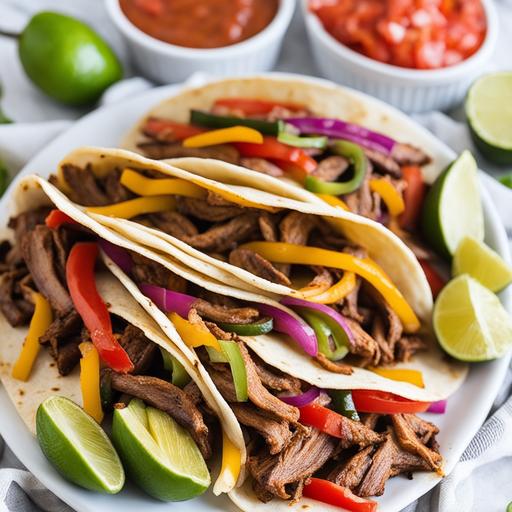
How To Cook Fajitas In Air Fryer [FULL GUIDE]
Recommended Equipments:
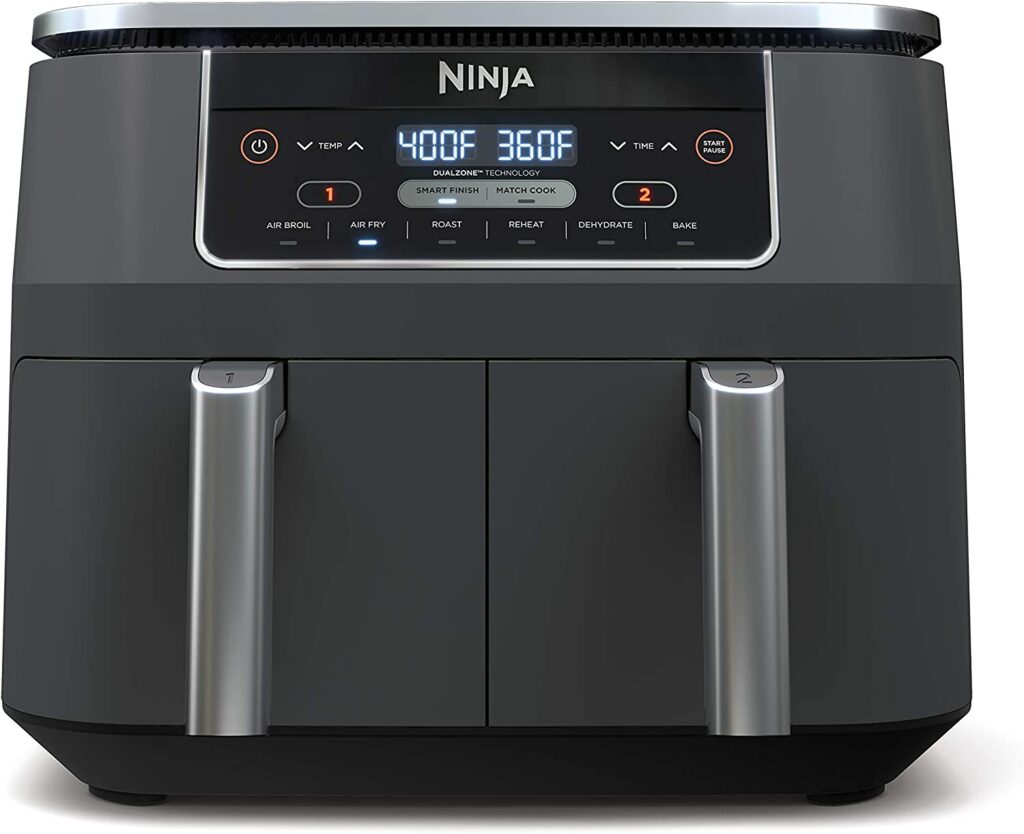
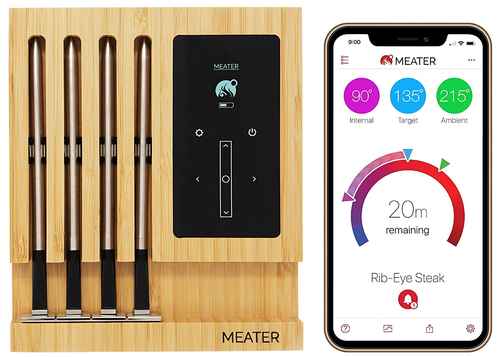
Fajitas, a beloved staple of Tex-Mex cuisine, are known for their sizzling combination of tender strips of meat, crisp sautéed vegetables, and a burst of vibrant spices. Traditionally cooked on a stovetop or open flame, fajitas can now be prepared in the convenience of an air fryer, offering a faster, healthier, and equally flavorful alternative. The air fryer’s high-velocity circulating hot air allows for even cooking, beautifully searing the meat while preserving its juiciness and creating crisp, caramelized edges on vegetables without excessive oil. Mastering the art of air-fried fajitas requires understanding temperature control, cooking time, and ingredient preparation, all of which are critical to replicating the texture and taste of a classic fajita.
Optimal Air Fryer Temperature To Cook Fajitas In Air Fryer
Temperature is the single most influential factor in achieving perfectly cooked fajitas. Air fryers generally cook faster than traditional methods, so selecting the right temperature ensures the meat remains tender and the vegetables maintain a satisfying crunch. For chicken or beef fajitas, the optimal temperature range is 375°F to 400°F (190°C to 204°C).
- Lower end (375°F/190°C): Offers gentler cooking, reducing the risk of overcooking and allowing more even heat penetration. Ideal for thicker cuts of meat.
- Higher end (400°F/204°C): Produces a lightly caramelized exterior on both meat and vegetables, giving that signature fajita sizzle. Perfect for thinner strips and if you want a slightly charred, smoky flavor reminiscent of a grill.
Vegetables like bell peppers and onions also benefit from high heat, which helps retain a tender-crisp texture while enhancing natural sweetness through caramelization. The key is balancing temperature with cooking time-too high, and the vegetables burn; too low, and the meat dries out.
How Long To Cook Fajitas In Air Fryer
Cooking time is closely tied to the thickness of your meat strips and the type of protein used:
- Chicken breast strips: 12-15 minutes at 400°F (204°C)
- Beef flank steak or skirt steak strips: 8-12 minutes at 400°F (204°C)
- Shrimp: 6-8 minutes at 375°F (190°C)
- Vegetables: 10-12 minutes at 400°F (204°C), tossed halfway through
It’s crucial to shake or stir the contents halfway through the cooking process. This ensures even heat distribution and prevents certain strips or vegetables from overcooking while others remain underdone. Air fryers vary in intensity, so always monitor the first few batches to calibrate the exact timing for your specific model.
How To Tell If It Is Done
Knowing when fajitas are perfectly cooked comes down to both visual cues and internal temperature checks:
- Meat: Should be golden brown with slight caramelization at the edges. For chicken, internal temperature should reach 165°F (74°C); for beef, a medium doneness is around 135-140°F (57-60°C).
- Vegetables: Should appear softened but retain some crispness, with caramelized tips for extra flavor. Overly shriveled or blackened edges indicate overcooking.
- Aroma: Cooked fajitas release a fragrant combination of spices and natural sugars from caramelized vegetables. If it smells overly burnt, the heat may have been too high.
The key is to avoid overcooking-the air fryer’s fast cooking can transform tender meat into dry strips in minutes if unattended.
Ingredients Needed
To prepare air fryer fajitas, gather the following ingredients:
- Protein: 1 lb chicken breast, beef flank steak, or shrimp
- Vegetables: 1 red bell pepper, 1 green bell pepper, 1 yellow bell pepper, 1 medium onion
-
Seasoning/Marinade
- 2 tablespoons olive oil
- 1 teaspoon chili powder
- 1 teaspoon cumin
- 1 teaspoon smoked paprika
- ½ teaspoon garlic powder
- ½ teaspoon onion powder
- ½ teaspoon salt
- ¼ teaspoon black pepper
- Optional: ¼ teaspoon cayenne for heat
- Garnishes: Fresh lime wedges, chopped cilantro, and warm tortillas
Preparation involves slicing the meat and vegetables into uniform strips to ensure even cooking and optimal texture in the air fryer.
How To Cook Fajitas In Air Fryer
- Marinate the protein: Toss meat or shrimp with olive oil and spices. Allow to marinate for at least 15-30 minutes to enhance flavor.
- Preheat the air fryer: Preheating ensures immediate, consistent heat. Set it to 400°F (204°C).
- Layer ingredients: Place the marinated meat in the air fryer basket. Add vegetables on top, lightly tossing to coat with residual marinade. Avoid overcrowding for even cooking.
- Cook: Air fry for 8-15 minutes, depending on protein type, shaking the basket halfway through.
- Check doneness: Use a meat thermometer and visual inspection to ensure proper cooking.
- Serve: Transfer to a platter, squeeze fresh lime, sprinkle cilantro, and serve with warm tortillas.
What If I Use A Different Air Fryer Temperature?
Altering the temperature affects both texture and cooking time:
- Lower temperature (350°F/177°C): Meat will remain juicier but requires longer cooking (15-20 minutes), and vegetables may be softer with less caramelization.
- Higher temperature (425°F/218°C): Meat sears quickly, enhancing flavor, but risks drying out, and vegetables can burn on the edges. Careful monitoring and frequent shaking are essential.
Temperature adjustments are often necessary based on the thickness of the protein and the efficiency of your specific air fryer model.
What If I Use A Different Air Fryer Cooking Time?
Cooking time deviations will impact the final texture and doneness:
- Shorter time: Meat may be undercooked and vegetables may remain too firm.
- Longer time: Meat can become dry and tough, while vegetables may lose moisture and crispness.
Always prioritize visual cues, internal temperatures, and texture over rigid adherence to a timer. Air fryer models vary, so developing intuition through experience is key.
When Things Go Wrong
Even with careful attention, issues can arise:
- Dry meat: Usually caused by overcooking or excessive heat. Reduce cooking time or temperature next batch.
- Soggy vegetables: Often due to overcrowding or inadequate tossing. Cook in smaller batches for crispier results.
- Uneven cooking: Check for uniform strip size and shake the basket midway through cooking.
Air fryers cook quickly, so vigilance and minor adjustments prevent culinary mishaps.
Expert Tips
- Marinate in advance: The longer the meat absorbs the spices, the richer the flavor.
- Cut uniformly: Consistent strip sizes ensure even cooking.
- Use high smoke-point oil: Olive or avocado oil prevents burning at high temperatures.
- Layer strategically: Place denser vegetables like onions at the bottom and softer peppers on top for optimal heat exposure.
- Shake halfway: Promotes even cooking and avoids sticking.
- Rest the meat briefly: Letting cooked meat sit 2-3 minutes after air frying redistributes juices for maximum tenderness.
FAQs
Can I Cook Frozen Fajita Vegetables In An Air Fryer?
Yes, you can cook frozen fajita vegetables in an air fryer. Preheat the air fryer to 375°F (190°C), toss the frozen vegetables lightly in oil and seasoning, and cook for 10-12 minutes, shaking halfway through to ensure even cooking. Keep in mind that frozen vegetables may release extra moisture, so they may not be as crisp as fresh vegetables.
What Type Of Meat Is Best For Air Fryer Fajitas?
Chicken, beef, or shrimp all work well for air fryer fajitas. Chicken breast or thighs and skirt steak are particularly good because they cook quickly and retain juiciness. Cut the meat into thin strips to ensure even cooking and faster air fryer results.
Do I Need To Marinate The Meat Before Cooking Fajitas In An Air Fryer?
Marinating the meat is recommended but not mandatory. A marinade of lime juice, oil, garlic, and spices enhances flavor and helps keep the meat tender. Marinate for at least 30 minutes, or up to 2-4 hours for deeper flavor penetration.
How Do I Prevent Fajitas From Sticking To The Air Fryer Basket?
To prevent sticking, lightly coat the air fryer basket with cooking spray or brush with a small amount of oil. Also, tossing the meat and vegetables in a thin layer of oil before cooking helps create a natural barrier that reduces sticking.
What Is The Ideal Cooking Temperature And Time For Air Fryer Fajitas?
The recommended temperature is 375°F (190°C). Cook sliced meat for 8-12 minutes depending on thickness, and vegetables for 8-10 minutes, shaking the basket halfway through. Ensure the meat reaches the appropriate internal temperature: 165°F (74°C) for chicken and 145°F (63°C) for beef or shrimp.
Can I Cook The Meat And Vegetables Together In The Air Fryer?
Yes, you can cook meat and vegetables together if you cut everything into similar-sized pieces. However, for more precise cooking, especially if using different meats, it may be better to cook them separately to avoid overcooking the vegetables or undercooking the meat.
How Can I Make My Air Fryer Fajitas Extra Flavorful?
Use a combination of fresh spices like cumin, chili powder, smoked paprika, garlic powder, and a squeeze of lime after cooking. Adding sliced onions and bell peppers enhances aroma and sweetness. Additionally, finishing with fresh cilantro or a drizzle of salsa or sour cream adds extra layers of flavor.