
How To Make Homemade Donut Holes In Air Fryer [FULL GUIDE]
Recommended Equipments:
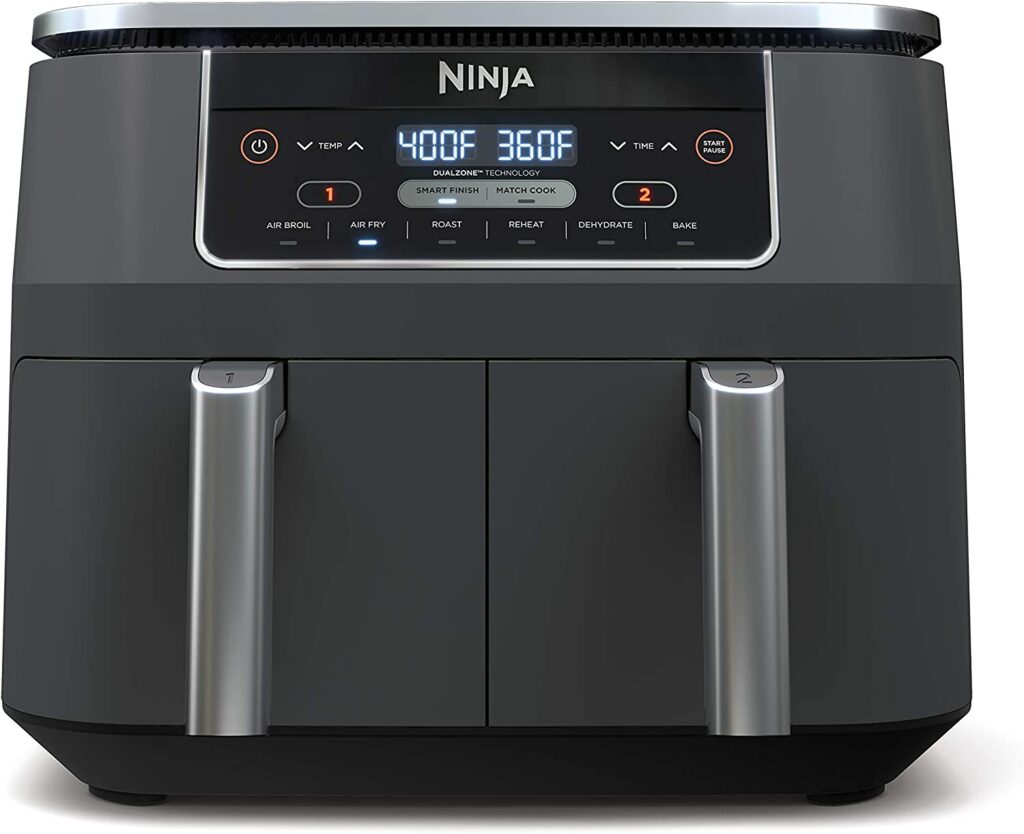
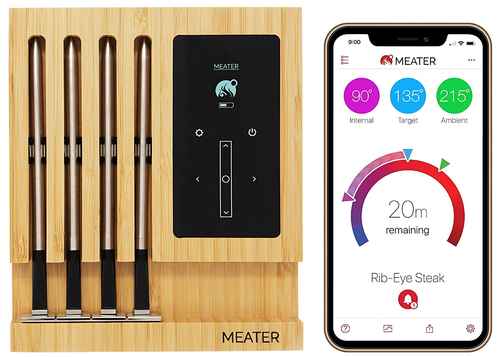
There’s something undeniably magical about a warm, fluffy donut hole-its golden exterior, pillowy interior, and just the right amount of sweetness that melts in your mouth. While traditional frying can achieve that coveted texture, it often comes with the drawbacks of hot oil, lingering smells, and extra cleanup. Enter the air fryer: a modern kitchen marvel that delivers crispy, golden perfection with significantly less oil, while keeping the process simple and convenient. Making homemade donut holes in an air fryer allows you to control ingredients, experiment with flavors, and enjoy a treat that’s fresh, indulgent, and healthier than the deep-fried version. Whether you’re craving a quick breakfast snack, a dessert for the kids, or a sweet treat for yourself, mastering air-fried donut holes is an achievable and rewarding culinary skill.
Optimal Air Fryer Temperature To Make Homemade Donut Holes In Air Fryer
Temperature is one of the most critical factors in creating perfect air-fried donut holes. The sweet spot for most recipes is 350°F (175°C). This temperature ensures that the exterior browns beautifully, forming a golden crust, while the interior cooks evenly, remaining soft and fluffy. Temperatures above 360°F can cause the outside to brown too quickly, leaving the inside undercooked, while lower temperatures may result in pale, dry, or dense donut holes.
Some air fryers run hotter than others, so preheating your device and monitoring the first batch can help you fine-tune the exact temperature. Consistency is key, as even a slight variation can alter the texture significantly.
How Long To Make Homemade Donut Holes In Air Fryer
Timing is just as crucial as temperature. In an air fryer preheated to 350°F, donut holes typically take 6-9 minutes to cook. The exact time depends on the size of your dough balls and your specific air fryer model. Small, bite-sized donut holes may finish closer to six minutes, while slightly larger or denser dough might require closer to nine.
It’s wise to check halfway through the cooking process. Many air fryers require a quick shake or turn to ensure even browning on all sides. Overcooking can result in dry or tough interiors, while undercooking leaves doughy centers.
How To Tell If It Is Done
Determining doneness involves a combination of visual cues, texture, and internal testing:
- Color: The donut holes should be a rich, golden brown, evenly distributed across all sides.
- Texture: They should feel firm but springy when gently pressed.
- Internal check: Poke a toothpick into the center. If it comes out clean or with just a few crumbs clinging, the donut holes are ready. Any wet or sticky dough indicates they need more time.
Trust your senses-air fryer models can vary, and visual and tactile checks are the most reliable indicators.
Ingredients Needed
To create these irresistible air-fried donut holes, gather the following:
- 1 cup all-purpose flour
- 1/4 cup granulated sugar
- 1 teaspoon baking powder
- 1/2 teaspoon salt
- 1/2 teaspoon ground cinnamon (optional, for extra flavor)
- 1/4 cup milk
- 1 large egg
- 1 teaspoon vanilla extract
- 2 tablespoons melted butter or oil
- Optional: powdered sugar, cinnamon sugar, or glaze for coating
These ingredients are simple, pantry-friendly, and can be customized to taste.
How To Make Homemade Donut Holes In Air Fryer
- Prepare the dough: In a large mixing bowl, whisk together the flour, sugar, baking powder, salt, and cinnamon. In a separate bowl, combine the milk, egg, melted butter, and vanilla extract. Gradually mix the wet ingredients into the dry until a soft dough forms.
- Shape the donut holes: Roll the dough into small, even balls, about 1 inch in diameter. Uniformity ensures even cooking.
- Preheat the air fryer: Set to 350°F (175°C) for a few minutes. A preheated air fryer promotes a golden, crispy exterior.
- Cook: Place the dough balls in the air fryer basket, ensuring they are spaced apart to allow airflow. Cook for 6-9 minutes, turning or shaking halfway through.
- Coat: Once golden and fully cooked, roll the hot donut holes in powdered sugar, cinnamon sugar, or glaze.
- Serve: Enjoy immediately for the best texture and flavor.
What If I Use A Different Air Fryer Temperature?
If you increase the temperature above 350°F, the donut holes may brown too quickly on the outside while remaining raw inside. Lowering the temperature below 350°F can cause them to cook unevenly, resulting in pale, dense, or undercooked centers. Slight adjustments can work if you monitor closely, but 350°F is optimal for balancing browning and interior softness.
What If I Use A Different Air Fryer Cooking Time?
Cooking longer than recommended risks drying out the donut holes, making them tough and crumbly. Shorter cooking times can leave the interior raw or doughy. If you adjust the time, monitor closely using visual cues and a toothpick test to ensure they are perfectly cooked.
When Things Go Wrong
Even experienced cooks encounter mishaps. Common issues include:
- Raw centers: Usually caused by high temperature or overcrowding the air fryer. Reduce temperature or cook in smaller batches.
- Uneven browning: Shake or turn halfway through cooking to promote uniformity.
- Dry or hard texture: Overcooking is often the culprit; reduce time slightly next batch.
- Sticky dough: If your dough is too wet, add a teaspoon of flour at a time until manageable.
Troubleshooting involves observing and adjusting-air fryer cooking is forgiving but benefits from careful attention.
Expert Tips
- Even spacing matters: Air circulation is critical for consistent cooking; avoid crowding the basket.
- Preheat the air fryer: This helps achieve a golden crust and prevents sticking.
- Small batches are better: They cook more evenly and make it easier to monitor doneness.
- Coating variations: Experiment with cinnamon sugar, powdered sugar, or even a chocolate drizzle for different flavors.
- Don’t skip the turn/shake: This ensures every side gets that perfect golden finish.
FAQs
What Ingredients Do I Need To Make Donut Holes In An Air Fryer?
To make donut holes in an air fryer, you will typically need ingredients like all-purpose flour, sugar, baking powder, salt, butter, eggs, milk, and vanilla extract. You may also need oil or cooking spray for greasing the air fryer basket.
Can I Use Store-bought Dough To Make Donut Holes In An Air Fryer?
Yes, you can use store-bought biscuit or doughnut dough to make donut holes in an air fryer. Simply cut or pinch the dough into small portions to form donut holes, then cook them in the air fryer according to the dough’s recommended cooking time and temperature.
How Long Should I Cook Donut Holes In The Air Fryer?
Donut holes typically take around 6-8 minutes to cook in the air fryer at 350°F (175°C). However, cooking times may vary depending on the size of the donut holes and the model of your air fryer. It’s important to check them halfway through and adjust the time if necessary.
How Can I Ensure That My Donut Holes Are Crispy On The Outside But Soft On The Inside?
To achieve a crispy exterior and soft interior, lightly spray the donut holes with oil before cooking in the air fryer. Also, avoid overcrowding the basket to allow proper air circulation, which ensures even cooking. Don’t overcook them, as this could lead to dryness.
Do I Need To Flip Donut Holes Halfway Through Cooking In The Air Fryer?
Flipping donut holes halfway through cooking can help achieve an even golden-brown exterior on all sides. However, it’s not strictly necessary if you are using an air fryer that provides consistent air circulation. If you do flip them, be gentle to prevent them from losing their shape.
Can I Make Donut Holes Without Using A Lot Of Sugar?
Yes, you can reduce the sugar in the recipe to suit your preferences or dietary needs. For a less sweet version, you can substitute some of the sugar with a natural sweetener or skip coating them in sugar after cooking. Consider using a flavored glaze or cinnamon if you want a bit of sweetness without excessive sugar.
Can I Freeze Homemade Donut Holes Made In An Air Fryer?
Yes, homemade donut holes can be frozen. Allow them to cool completely, then place them in an airtight container or freezer bag. You can freeze them for up to 3 months. To reheat, simply place them in the air fryer for a few minutes at 350°F to restore their crispiness.