
How To Dehydrate Chicken Hearts In Air Fryer [FULL GUIDE]
Recommended Equipments:
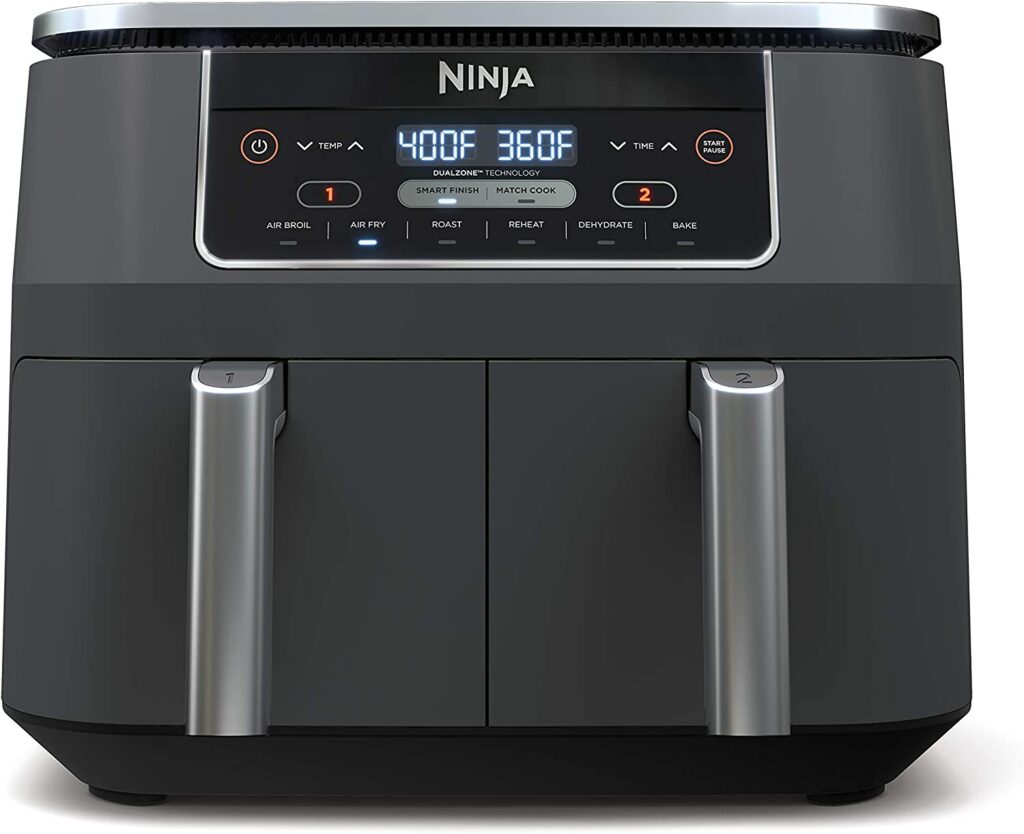
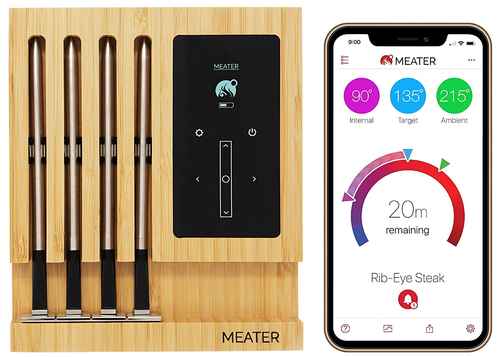
Dehydrating chicken hearts in an air fryer is an innovative and convenient way to create a nutrient-dense snack or pet treat. Chicken hearts are rich in protein, essential amino acids, and minerals like iron, zinc, and selenium, making them highly beneficial for both humans and pets. Traditionally, dehydrating meats involved the use of ovens or specialized dehydrators, which could be time-consuming and energy-intensive. With the advent of air fryers, the process has become faster, more efficient, and surprisingly simple, allowing for evenly dried hearts with minimal supervision. In this guide, we will explore how to dehydrate chicken hearts in an air fryer with precision, ensuring optimal texture, flavor, and safety.
Optimal Air Fryer Temperature To Dehydrate Chicken Hearts In Air Fryer
The key to successfully dehydrating chicken hearts is low, consistent heat. Unlike frying or roasting, dehydration requires temperatures that gradually draw out moisture without cooking the meat too quickly or causing it to become tough. The ideal temperature range for dehydrating chicken hearts in most air fryers is 135°F to 160°F (57°C to 71°C).
- 135°F (57°C): Provides gentle dehydration, preserving nutrients and flavor while minimizing shrinkage. It takes longer but is ideal for maintaining a chewy, tender texture.
- 150°F (65°C): A balanced option for both speed and preservation of quality. The hearts will dehydrate faster but still retain most nutrients.
- 160°F (71°C): Works when you need quicker results but may slightly alter texture, making them firmer or chewier.
It is crucial to note that many air fryers do not have a ’dehydrate’ preset. In that case, using the lowest temperature setting your air fryer allows, ideally paired with an extended cook time, will mimic traditional dehydration effectively.
How Long To Dehydrate Chicken Hearts In Air Fryer
Dehydration time varies depending on temperature, heart size, and air fryer model. On average:
- At 135°F (57°C): 6-8 hours
- At 150°F (65°C): 4-6 hours
- At 160°F (71°C): 3-5 hours
Smaller hearts or hearts that are halved will dehydrate faster than whole hearts. Checking periodically is important to ensure they are not drying unevenly. Rotating or gently shaking the basket halfway through can help achieve uniform dehydration.
How To Tell If It Is Done
Properly dehydrated chicken hearts should have the following characteristics:
- Texture: Firm to the touch, slightly leathery, and not sticky. They should not bend or feel spongy.
- Color: Darkened but consistent throughout, without wet spots or translucency.
- Weight: Significantly reduced due to moisture loss. A heart should feel light yet solid.
- Snap Test: For smaller pieces, they should break cleanly when bent slightly, but not crumble into powder.
If any moisture remains, the hearts can spoil quickly, so erring on the side of slightly longer dehydration is better than under-drying.
Ingredients Needed
Dehydrating chicken hearts is straightforward, requiring minimal ingredients:
- Chicken hearts: Fresh, trimmed of fat or connective tissue
- Optional seasoning: Salt or pet-safe herbs (if intended for pets, avoid garlic, onion, and excessive salt)
- Optional oil: A light brush of olive or avocado oil can enhance flavor but is not required
Note: For pure dehydration purposes, seasoning is optional; the goal is to preserve natural flavor while removing moisture.
How To Dehydrate Chicken Hearts In Air Fryer
- Prepare the hearts: Rinse and trim excess fat or connective tissue. Pat dry with paper towels.
- Optional seasoning: Lightly season or leave plain.
- Preheat air fryer: Set to your chosen dehydration temperature (135-160°F).
- Arrange hearts: Place in a single layer in the air fryer basket. Avoid overcrowding for even airflow.
- Dehydrate: Cook for the estimated time, checking periodically. Shake or rotate the basket halfway through.
- Cool and store: Let the hearts cool completely before transferring to an airtight container. Store in a cool, dry place or refrigerate for longer shelf life.
What If I Use A Different Air Fryer Temperature?
- Higher temperatures: Cooking too hot can ’cook’ the hearts rather than dehydrate them, resulting in a tough or rubbery texture. Nutrients may degrade faster.
- Lower temperatures: Very low heat slows the process, which may increase the risk of bacterial growth if the hearts do not reach safe moisture levels in time. Always maintain at least 130°F to reduce microbial risk.
What If I Use A Different Air Fryer Cooking Time?
- Shorter time: Hearts may retain moisture, risking spoilage. They might feel soft or spongy, indicating incomplete dehydration.
- Longer time: Safe in most cases, but over-drying can make hearts excessively hard or brittle, potentially unpalatable for pets or humans.
Time adjustments should be paired with careful monitoring of texture and moisture.
When Things Go Wrong
Common issues during dehydration:
- Uneven drying: Overcrowding or thick hearts can cause some pieces to remain moist. Shake the basket or split hearts in half.
- Burning or scorching: Using too high a temperature can cause the outer layer to burn while the inside stays moist. Lower the heat and increase cooking time.
- Spoilage: Hearts not fully dehydrated can develop mold or off smells. Always check for complete dryness before storage.
Expert Tips
- Cut for uniformity: Slice hearts in half for even drying and faster results.
- Use a thermometer: Internal temperature should reach at least 160°F briefly if food safety is a concern.
- Cool slowly: Sudden exposure to humidity after dehydration can reintroduce moisture; let hearts cool in a dry area.
- Storage: Vacuum-sealed bags prolong shelf life and prevent moisture absorption.
- Rotate trays: If your air fryer has multiple layers, switch them halfway to ensure consistent drying.
FAQs
Can You Dehydrate Chicken Hearts In An Air Fryer?
Yes, you can dehydrate chicken hearts in an air fryer that has a dehydration or low-temperature cooking setting. The air fryer works by circulating hot air around the hearts, removing moisture efficiently while preserving flavor and nutrients.
What Temperature Should I Use To Dehydrate Chicken Hearts In An Air Fryer?
For dehydrating chicken hearts, a temperature between 135°F and 160°F (57°C-71°C) is recommended. This low heat ensures that the hearts dry out without cooking too quickly, preserving texture and nutritional content.
How Long Does It Take To Dehydrate Chicken Hearts In An Air Fryer?
Dehydration time can vary based on the size and moisture content of the chicken hearts, but typically it takes 4 to 6 hours. It’s important to check periodically and rotate or stir the hearts for even drying.
Do Chicken Hearts Need To Be Prepped Before Dehydrating?
Yes. Rinse the chicken hearts thoroughly, trim any excess fat or connective tissue, and optionally slice them in half for faster and more even dehydration. Pat them dry with a paper towel before placing them in the air fryer.
Should I Season Chicken Hearts Before Dehydrating In An Air Fryer?
Seasoning is optional. Light seasoning such as salt, pepper, or dried herbs can be added before dehydration, but avoid wet marinades as they increase moisture content and prolong drying time.
How Do I Store Dehydrated Chicken Hearts?
Once fully dehydrated and cooled, store chicken hearts in an airtight container in a cool, dry place. For long-term storage, vacuum-sealing or refrigeration can help maintain texture and prevent spoilage.
Can Dehydrated Chicken Hearts Be Rehydrated Or Used Directly As Snacks?
Dehydrated chicken hearts can be eaten as a crunchy snack directly or rehydrated in water or broth for use in soups and stews. They are also commonly used as protein-rich treats for pets.