
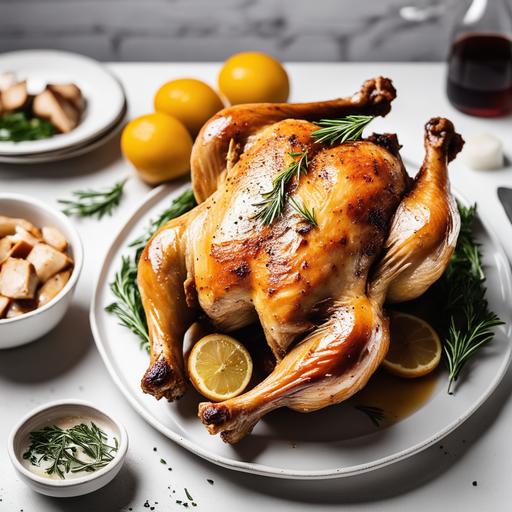
How To Bake Whole Chicken In Air Fryer [FULL GUIDE]
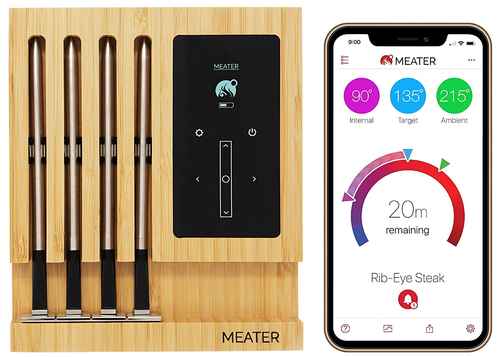
Recommended Equipments:
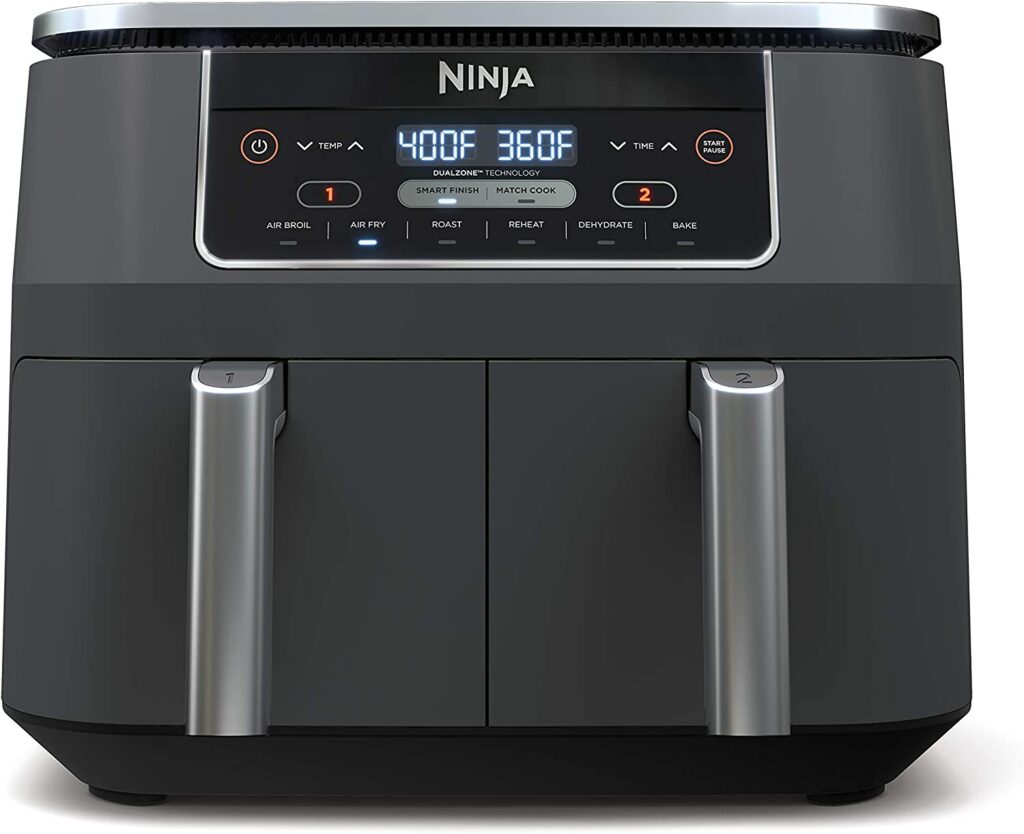
Air fryers have transformed home cooking, making it possible to achieve crispy, golden-brown perfection with less oil, less mess, and significantly reduced cooking times. Among the many delights you can prepare, a whole roasted chicken stands out as both comforting and impressive. The beauty of air frying a whole chicken lies in its ability to deliver evenly cooked meat with juicy tenderness on the inside and a crackling, flavorful skin on the outside. Unlike traditional oven roasting, the air fryer’s rapid circulation of hot air ensures a quick, energy-efficient cooking process while locking in natural flavors. Whether you’re preparing a family dinner or an elegant centerpiece for a gathering, mastering the art of air fryer whole chicken elevates your culinary skills to a new level.
Optimal Air Fryer Temperature To Bake Whole Chicken In Air Fryer
The ideal air fryer temperature for baking a whole chicken is 360°F (182°C). This temperature is hot enough to render the fat under the skin, producing a beautifully crisp exterior, yet gentle enough to ensure the interior meat remains tender and juicy. Some chefs may suggest starting at a higher temperature (around 380-400°F) for the first 10-15 minutes to crisp the skin, then reducing to 360°F to finish cooking. However, maintaining a consistent 360°F avoids the risk of over-browning or uneven cooking, especially for larger birds. Temperature control is critical: too low, and the skin may remain rubbery; too high, and the outer layers risk burning before the inside reaches a safe temperature.
How Long To Bake Whole Chicken In Air Fryer
Cooking time largely depends on the weight of the chicken. A general rule of thumb is 15 minutes per pound. For instance:
- 3 lbs chicken: ~45 minutes
- 4 lbs chicken: ~60 minutes
- 5 lbs chicken: ~75 minutes
It’s important to note that these times are estimates. Air fryer models vary in power and airflow, and factors like whether the chicken is stuffed or skin-on will influence the total cooking time. A mid-cook check can help prevent under- or over-cooking. Additionally, letting the chicken rest for 5-10 minutes after cooking allows the juices to redistribute, enhancing moisture and flavor.
How To Tell If It Is Done
Determining doneness is critical for safety and taste. The most reliable method is to use a meat thermometer:
- Insert it into the thickest part of the breast (avoiding bone).
- The internal temperature should reach 165°F (74°C).
- For thighs and legs, a slightly higher temperature of 175°F (79°C) ensures the dark meat is fully cooked.
Other indicators include:
- Juices running clear when the thickest part of the chicken is pierced.
- Skin that is golden brown and crisp.
- Slightly pulling away of the leg from the body, which indicates tenderness.
Ingredients Needed
To achieve a flavorful whole chicken, you’ll need:
- Whole chicken (3-5 lbs)
- Olive oil or melted butter (2-3 tablespoons)
- Salt (to taste, usually 1-2 teaspoons)
- Black pepper (freshly ground, 1-2 teaspoons)
- Garlic powder or minced garlic (1-2 teaspoons)
- Paprika (for color and mild smokiness, 1 teaspoon)
- Optional herbs: rosemary, thyme, oregano, or parsley
- Lemon or onion (for cavity stuffing to enhance aroma)
These ingredients ensure the chicken is well-seasoned both inside and out, resulting in a multi-layered flavor profile.
How To Bake Whole Chicken In Air Fryer
- Prep the chicken: Remove giblets and pat the chicken dry with paper towels. Dry skin helps achieve maximum crispiness.
- Season thoroughly: Rub olive oil or melted butter over the entire surface. Apply salt, pepper, paprika, garlic, and herbs evenly. Stuff the cavity with lemon wedges, garlic, or onion if desired.
- Preheat the air fryer: Set to 360°F (182°C) for 3-5 minutes.
- Place the chicken in the air fryer basket: Breast side down initially, if your model allows. This helps render the fat in the back and thighs.
- Cook: Roast for half the estimated time, then flip the chicken breast side up to finish.
- Check doneness: Use a meat thermometer to ensure the internal temperature reaches 165°F (74°C) at the thickest point.
- Rest before serving: Let the chicken sit for 5-10 minutes to retain its juices.
What If I Use A Different Air Fryer Temperature?
Adjusting temperature changes both cooking time and the texture of the chicken:
- Higher temperature (380-400°F): Skin crisps faster but increases the risk of overcooking the breast while the thighs remain undercooked. Watch carefully and reduce the temperature midway if needed.
- Lower temperature (320-350°F): Produces extremely tender meat, but skin may be less crispy. Cooking time must be extended to ensure safe internal temperature.
The key is balancing skin crispiness with even internal cooking.
What If I Use A Different Air Fryer Cooking Time?
Altering cooking time directly impacts safety and quality:
- Shorter time: Chicken may be undercooked. Undercooked poultry can carry bacteria like Salmonella. Always verify with a thermometer.
- Longer time: Overcooking dries out the meat and may burn the skin. If overcooked slightly, resting and adding a light drizzle of butter or broth can help restore moisture.
Consistency with both temperature and time is essential for reliably perfect results.
When Things Go Wrong
Even in air fryers, mistakes happen:
- Skin burns: Reduce temperature or cover with foil during the final minutes.
- Chicken undercooked: Continue cooking in 5-10 minute increments until thermometer reads 165°F.
- Dry meat: Rest the chicken properly; consider adding a light gravy or butter drizzle to compensate.
- Uneven cooking: Flip halfway through; consider trussing the bird to maintain even shape.
Expert Tips
- Pat chicken dry: Moisture prevents crisp skin.
- Truss the chicken: Tying legs keeps the bird compact, promoting even cooking.
- Preheat your air fryer: Prevents cold spots and ensures immediate crispy skin.
- Rotate or flip: Even small adjustments can prevent uneven browning.
- Use a meat thermometer: Guesswork leads to mistakes; accuracy guarantees success.
- Experiment with marinades: Overnight marination enhances flavor penetration.
FAQs
What Size Of Chicken Is Suitable For Air Fryer Cooking?
Most air fryers can accommodate chickens up to 4 to 5 pounds. It is important to check your air fryer’s basket dimensions to ensure the chicken fits comfortably with enough space for air circulation, which is essential for even cooking.
Do I Need To Marinate Or Season The Chicken Before Air Frying?
Yes, seasoning or marinating the chicken enhances flavor and helps create a crispy skin. You can use a dry rub, herbs, spices, or a wet marinade, but ensure excess marinade is patted off to avoid dripping and smoking in the air fryer.
What Temperature Should I Set My Air Fryer To Bake A Whole Chicken?
The recommended temperature for cooking a whole chicken in an air fryer is typically 360°F to 375°F (182°C to 190°C). Cooking at this temperature ensures the chicken cooks evenly without burning the skin.
How Long Does It Take To Cook A Whole Chicken In An Air Fryer?
Cooking time depends on the weight of the chicken. As a general guideline, a 3-4 pound chicken takes about 50-60 minutes at 360°F. Always use a meat thermometer to check doneness; the internal temperature should reach 165°F (74°C) in the thickest part of the chicken.
Do I Need To Flip Or Rotate The Chicken During Air Frying?
Yes, flipping or rotating the chicken halfway through cooking can help achieve even browning and crispiness on all sides. Some air fryers with automatic air circulation may not require flipping, but manual adjustment ensures uniform results.
Should I Cover The Chicken With Foil While Air Frying?
Covering the chicken with foil is generally not recommended as it can prevent the skin from crisping. If the skin browns too quickly, you can tent foil loosely over the top for the last few minutes to prevent over-browning while keeping the chicken moist.
How Do I Ensure The Chicken Stays Juicy And Not Dry?
To maintain juiciness, avoid overcooking and consider brining the chicken for a few hours before air frying. Additionally, letting the chicken rest for 10-15 minutes after cooking allows the juices to redistribute, resulting in a tender and moist texture.