
How To Boil Hard Eggs In Air Fryer [FULL GUIDE]
Recommended Equipments:
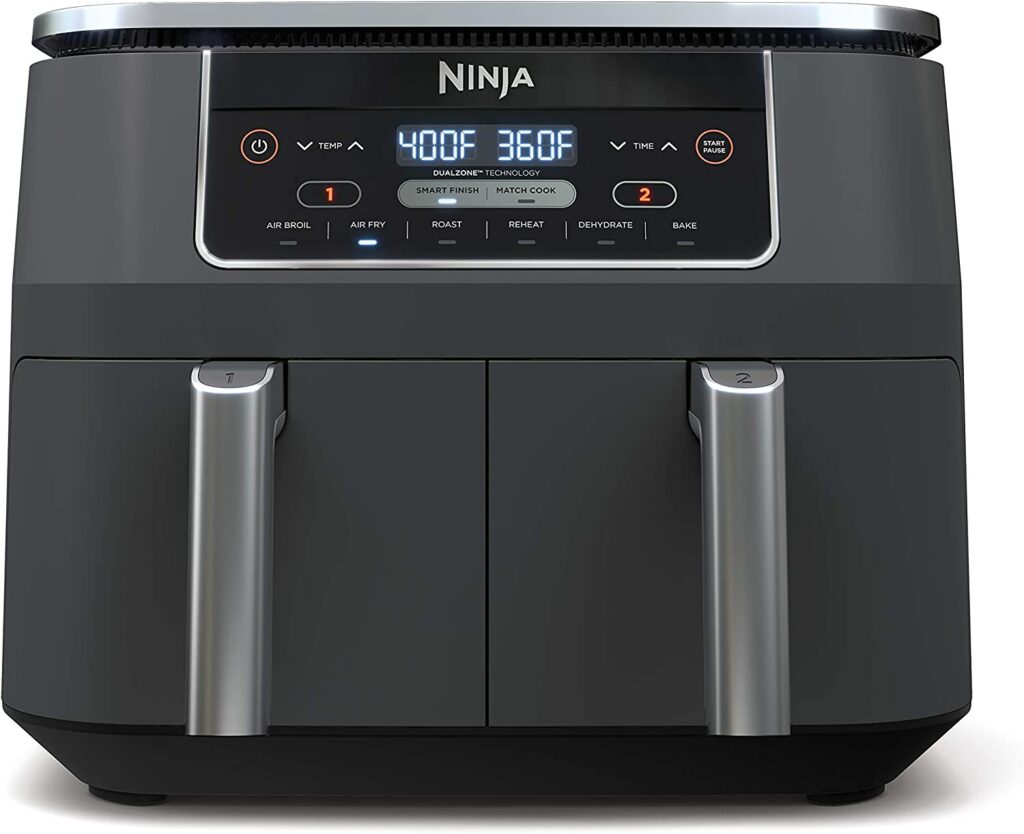
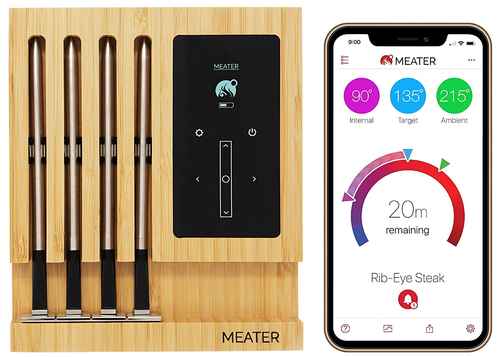
Eggs are a versatile kitchen staple, prized for their nutritional value, convenience, and adaptability. Traditionally, boiling eggs has been a straightforward but sometimes tricky process, often resulting in undercooked yolks, cracked shells, or a struggle to peel. With the advent of air fryers, however, a new method has emerged that promises simplicity, consistency, and minimal cleanup. Using an air fryer to ’boil’ eggs may sound unconventional, yet it delivers results remarkably similar to traditional boiling. This technique harnesses circulating hot air to cook eggs evenly, producing firm whites and creamy yolks without the need for a pot of water. In this guide, we will explore the optimal temperatures, timings, and techniques for achieving perfectly hard-cooked eggs in your air fryer, while troubleshooting common mistakes along the way.
Optimal Air Fryer Temperature To Boil Hard Eggs In Air Fryer
The key to perfectly cooked eggs in an air fryer is temperature control. Unlike conventional boiling, which relies on water to transfer heat, air fryers use rapid air circulation. This difference requires careful calibration.
For hard eggs, the ideal temperature generally ranges between 270°F (130°C) and 300°F (149°C). At this range, the eggs cook evenly without risk of overcooking or cracking from excessive heat. Temperatures below 270°F may result in partially cooked yolks, while exceeding 300°F can cause eggs to crack or develop a chalky, overcooked texture.
Air fryers vary slightly in heat intensity, so it’s often recommended to start at 270-275°F and adjust based on your model. This lower-temperature approach allows the eggs to cook gradually, ensuring tender whites and fully set yolks.
How Long To Boil Hard Eggs In Air Fryer
Timing is just as critical as temperature. For large, room-temperature eggs, the following timing is recommended:
- 270-275°F (130-135°C): 17-19 minutes
- 280-290°F (137-143°C): 15-17 minutes
- 300°F (149°C): 13-15 minutes
Smaller eggs may require slightly less time, while extra-large eggs may need an additional minute or two. Preheating your air fryer for 3-5 minutes before adding the eggs can also ensure more consistent results.
How To Tell If It Is Done
Determining whether air fryer eggs are properly cooked involves visual and tactile cues:
- Tap Test: Lightly tap the egg on a countertop. Hard-boiled eggs feel firm with no wobble in the yolk.
- Peel Test: After cooling, peel one egg. The yolk should be fully set but not chalky, and the white should be firm and smooth.
- Cut Test: Slice an egg in half. A perfectly cooked yolk is bright yellow, with no gray ring around the edges, indicating the egg hasn’t been overcooked.
Ingredients Needed
Air fryer hard eggs require minimal ingredients:
- Fresh eggs (as many as your air fryer basket can comfortably fit in a single layer)
- Optional: water or an ice bath for cooling
No oil or seasoning is necessary during the cooking process.
How To Boil Hard Eggs In Air Fryer
- Preheat the Air Fryer: Preheat to your chosen temperature (270-300°F) for 3-5 minutes.
- Prepare the Eggs: Place room-temperature eggs in the air fryer basket, ensuring they are not overcrowded and have space for air circulation.
- Cook: Set the timer based on the desired doneness (refer to timing guidelines above).
- Cool: Immediately transfer eggs to a bowl of ice water for 5-10 minutes. This stops cooking, prevents overcooking, and makes peeling easier.
- Peel and Serve: Tap gently, roll to crack, and peel. Enjoy as-is or use in recipes like salads, deviled eggs, or sandwiches.
What If I Use A Different Air Fryer Temperature?
Using a higher temperature than recommended can accelerate cooking but also risks cracking the eggs and producing a rubbery texture. Conversely, lower temperatures may result in undercooked yolks or whites that are too soft. If you adjust the temperature, it is critical to monitor closely and consider adjusting the cooking time proportionally to maintain the correct internal doneness.
What If I Use A Different Air Fryer Cooking Time?
Cooking eggs for longer than recommended can lead to a dry, chalky yolk and a rubbery white. Shorter cooking times may leave the yolk undercooked and runny. If you deviate from the recommended time, always use the tap or cut test to check doneness before assuming the eggs are fully cooked.
When Things Go Wrong
Common issues and solutions:
- Cracked Shells: Eggs may crack if too close to the heating element or if the air fryer is too hot. Space eggs evenly and use moderate temperatures.
- Rubbery Yolk: Overcooking causes this texture. Reduce cooking time slightly.
- Difficult to Peel: Fresh eggs can be harder to peel. Using slightly older eggs or cooling them in an ice bath helps.
- Uneven Cooking: Overcrowding or skipping preheating can cause uneven heat distribution. Cook in a single layer and preheat first.
Expert Tips
- Room-Temperature Eggs: Let eggs sit out for 15-20 minutes before cooking to prevent cracking.
- Ice Bath Cooling: Always cool immediately to stop cooking and facilitate peeling.
- Single Layer: Avoid stacking eggs, as hot air circulation is key for even cooking.
- Egg Rotation: If cooking more than six eggs, rotate the basket halfway for uniform results.
- Peeling Hack: Crack eggs gently and roll them on a hard surface, then peel under running water to reduce sticking.
FAQs
Can You Really Boil Eggs In An Air Fryer?
Yes, you can cook hard ’boiled’ eggs in an air fryer without using water. The air fryer uses hot air circulation to cook the eggs evenly, resulting in firm whites and fully set yolks, similar to traditional boiling.
What Temperature Should I Set My Air Fryer To For Hard Eggs?
For hard eggs, set your air fryer to 270°F to 275°F (130°C to 135°C). Some recipes suggest higher temperatures like 300°F, but a slightly lower temperature ensures even cooking and reduces the risk of cracking.
How Long Should I Cook Hard Eggs In An Air Fryer?
Cook eggs in the air fryer for 15 to 17 minutes for large eggs. Adjust timing slightly based on egg size or air fryer model. After cooking, immediately place the eggs in cold water to stop further cooking and make peeling easier.
Do I Need To Preheat The Air Fryer For Hard Eggs?
Preheating is optional but recommended for consistent results. Preheating the air fryer for 3-5 minutes ensures the eggs start cooking at an even temperature from the beginning.
Can I Cook Multiple Eggs At Once In The Air Fryer?
Yes, most air fryers can accommodate 6-12 eggs depending on basket size. Arrange the eggs in a single layer without overcrowding to ensure even air circulation and uniform cooking.
How Do I Prevent Eggs From Cracking In The Air Fryer?
To minimize cracking, avoid overcrowding and gently place the eggs in the basket. You can also use a small bowl of water at the bottom of the air fryer to help moderate temperature fluctuations, although this is optional.
How Do I Peel Air Fryer Hard Eggs Easily?
After cooking, immediately transfer the eggs to an ice bath or cold running water for at least 5-10 minutes. This stops the cooking process and helps separate the shell from the egg white, making peeling much easier.