
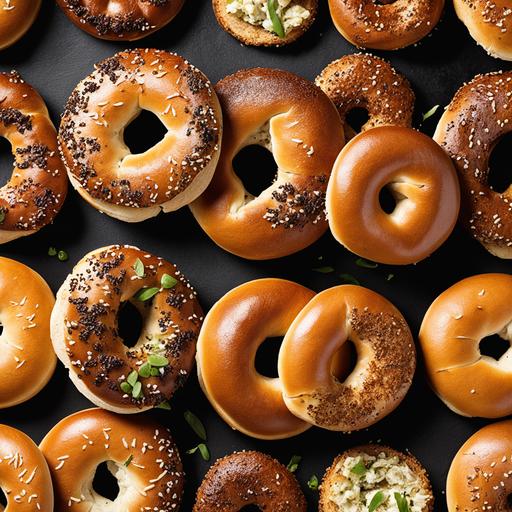
How To Cook Bagel In Air Fryer [FULL GUIDE]
Recommended Equipments:
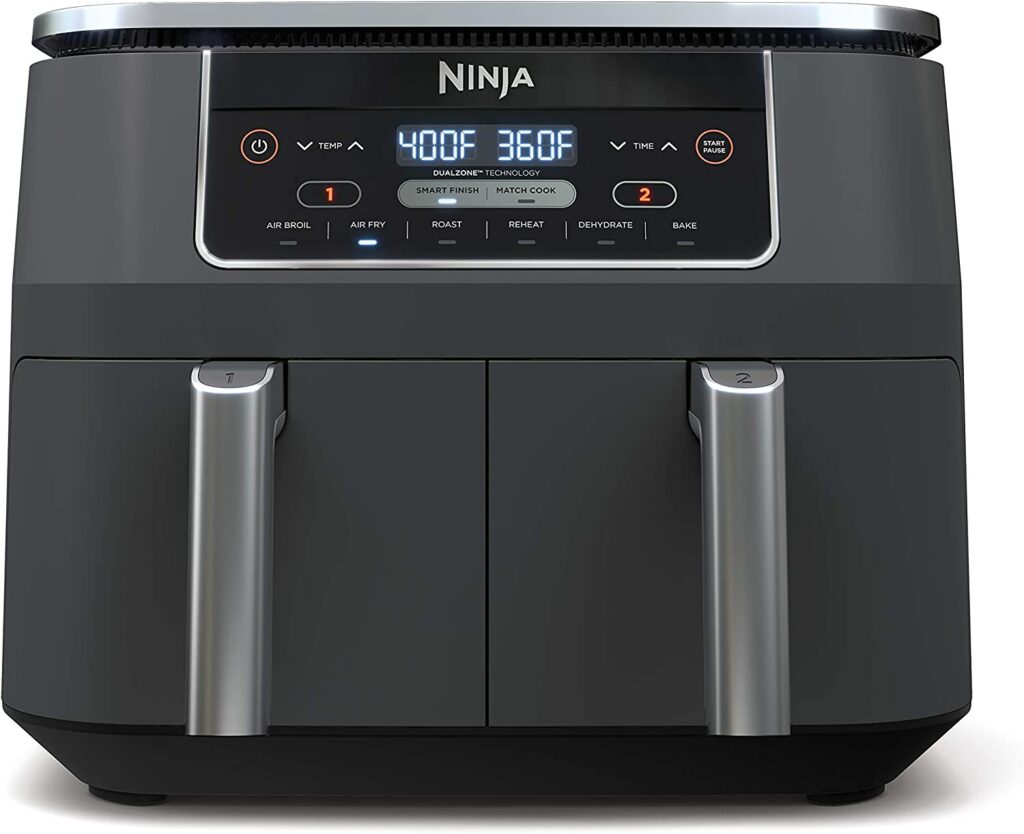
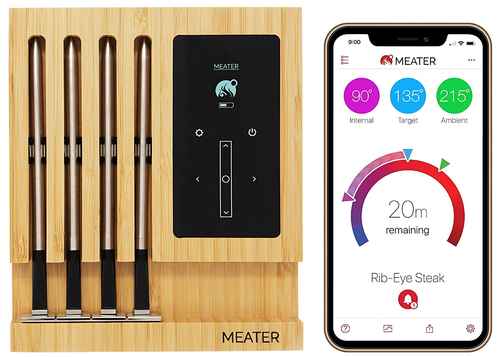
Bagels, with their distinctive chewy interior and slightly crisp exterior, are a beloved breakfast staple around the world. Traditionally boiled and baked, bagels have now found a convenient way into modern kitchens thanks to the air fryer. This kitchen marvel uses circulating hot air to replicate the crispness of baking while cutting down on cooking time. Air frying a bagel allows for a perfectly toasted exterior without the need to preheat a conventional oven or wait for a toaster to warm up. Whether you’re reviving a day-old bagel or preparing a fresh one, understanding the nuances of air fryer cooking can elevate your bagel experience to café-quality perfection.
Optimal Air Fryer Temperature To Cook Bagel In Air Fryer
The ideal air fryer temperature for cooking a bagel balances two key factors: achieving a golden, crispy exterior while keeping the interior soft and chewy. Most experts recommend 350°F (175°C) as the sweet spot. At this temperature, the bagel heats evenly without the risk of burning the outer layer before the inside is properly warmed. For those who enjoy a slightly crunchier crust, temperatures can be nudged up to 375°F (190°C), but caution is necessary to prevent over-toasting. Lower temperatures, around 320°F (160°C), can be used for delicate bagels, such as those with sweet toppings, to gently warm them without drying out.
How Long To Cook Bagel In Air Fryer
Time is just as critical as temperature. A bagel typically requires 3-5 minutes in an air fryer to achieve an ideal toasted texture. Thin or pre-sliced bagels may only need 2-3 minutes, while thicker bagels or those with dense fillings, like cream cheese, might need up to 6 minutes. It’s important to check mid-way through the cooking process, as air fryer models vary in power and air circulation. Overcooking even slightly can turn a chewy bagel into a dry, hard crust, so monitoring closely is key.
How To Tell If It Is Done
A perfectly cooked bagel in an air fryer has distinct visual and tactile cues:
- Color: The exterior should be a light golden brown, with slightly darker edges if you prefer extra crispiness.
- Texture: Press lightly on the top; it should feel firm but spring back, indicating the interior remains soft.
-
Sound: A slight hollow sound when tapping the bottom can also indicate it’s properly toasted.
Remember, unlike a traditional oven, air fryers cook quickly and continue to brown after removal due to residual heat, so err slightly on the side of undercooking if uncertain.
Ingredients Needed
Cooking a bagel in an air fryer doesn’t require elaborate ingredients, but adding small enhancements can elevate your results:
- Bagel: Fresh, day-old, or frozen (sliced or whole).
- Optional toppings: Butter, cream cheese, garlic butter, or cinnamon sugar.
-
Optional enhancement: Olive oil spray or cooking spray to achieve extra crispiness.
No flour, yeast, or baking powder is required unless you plan to make bagels from scratch-this method focuses on reheating or toasting pre-made bagels.
How To Cook Bagel In Air Fryer
- Preheat the Air Fryer: Most air fryers benefit from 1-2 minutes of preheating at 350°F (175°C).
- Prepare the Bagel: Slice the bagel in half horizontally. Lightly brush or spray the cut sides with butter or oil if desired.
- Arrange in Basket: Place the bagel halves cut side up in a single layer to ensure even cooking. Avoid stacking.
- Air Fry: Cook at 350°F (175°C) for 3-5 minutes. Check at the 3-minute mark for golden brown perfection.
- Remove and Serve: Carefully take the bagel out with tongs or a spatula. Add spreads or toppings immediately while warm.
What If I Use A Different Air Fryer Temperature?
- Lower Temperatures (320-340°F / 160-170°C): The bagel will warm gently without crisping much. Ideal for soft, sweet, or filled bagels. Expect slightly longer cooking times.
- Higher Temperatures (375-400°F / 190-200°C): The crust will brown faster and crisp up more, but the risk of drying out the inside increases. Careful monitoring is essential, checking every minute after the first 3 minutes.
What If I Use A Different Air Fryer Cooking Time?
- Shorter Time (<3 minutes): The bagel may only warm slightly and remain soft without noticeable toasting. Good for quick reheating, but not for a crisp bite.
- Longer Time (>5-6 minutes): Increased risk of overcooking. The exterior can become very hard, the interior dry, and any toppings like cheese may burn. Adjust based on thickness and air fryer model.
When Things Go Wrong
Even with careful technique, mishaps can occur:
- Bagel too dry: Likely from excessive heat or cooking time. Remedy: lightly steam or microwave for 10-15 seconds before re-toasting briefly.
- Uneven toasting: Usually from overcrowding the basket or irregular air circulation. Solution: cook in a single layer and flip halfway if needed.
- Burnt edges: Reduce temperature slightly or check earlier next time. Light oil or butter can help achieve even browning.
Expert Tips
- Day-old bagels excel: They absorb less moisture and crisp beautifully.
- Frozen bagels: Air fry from frozen at the same temperature, but add 1-2 minutes to the total cooking time.
- Use perforated parchment paper: Prevents sticking while allowing air circulation.
- Butter before vs. after air frying: Light butter before air frying gives a roasted flavor; adding after keeps it melty and fresh.
- Rotate basket for consistency: In smaller air fryers, rotate halfway to ensure both sides toast evenly.
FAQs
Can I Cook A Frozen Bagel In An Air Fryer?
Yes, frozen bagels can be cooked in an air fryer. Preheat the air fryer to 350°F (175°C) and cook the frozen bagel for 4-6 minutes. Adjust the time depending on the bagel size and your preferred level of crispiness. There’s no need to thaw it first.
Should I Slice The Bagel Before Putting It In The Air Fryer?
It depends on your preference. Slicing the bagel in half allows for more even toasting and makes it easier to add toppings afterward. Whole bagels can also be warmed in the air fryer, but the interior may not be as evenly heated.
Do I Need To Preheat The Air Fryer Before Cooking A Bagel?
Preheating is recommended for consistent results. Set the air fryer to 350°F (175°C) for 3-5 minutes before placing the bagel inside. Preheating ensures the bagel cooks evenly and develops a crisp exterior.
How Long Does It Take To Cook A Bagel In An Air Fryer?
Cooking time depends on the size, type, and whether the bagel is fresh or frozen. Typically, fresh bagels take 3-5 minutes at 350°F (175°C), while frozen bagels require 4-6 minutes. Check halfway to prevent over-toasting.
Can I Add Toppings Before Air Frying, Like Cheese Or Cinnamon Sugar?
Yes, toppings can be added before air frying, but some caution is needed. Cheese may melt and drip, so placing a small piece on top is best. For cinnamon sugar, lightly sprinkle after slicing; too much can burn in the high heat. Alternatively, add delicate toppings after cooking.
What Is The Best Temperature To Cook A Bagel In An Air Fryer?
The optimal temperature for air frying bagels is 350°F (175°C). This temperature crisps the exterior without drying out the interior. For extra toasty results, some prefer 360°F (182°C), but monitor closely to avoid burning.
How Do I Prevent The Bagel From Becoming Too Hard In The Air Fryer?
To keep a bagel soft inside, avoid cooking for too long or at too high a temperature. You can lightly spray or brush the cut surfaces with water or butter before air frying. Checking halfway and adjusting the cooking time helps maintain a chewy texture.