How To Cook Bibigo Beef Bulgogi Mandu In Air Fryer [FULL GUIDE]
Recommended Equipments:
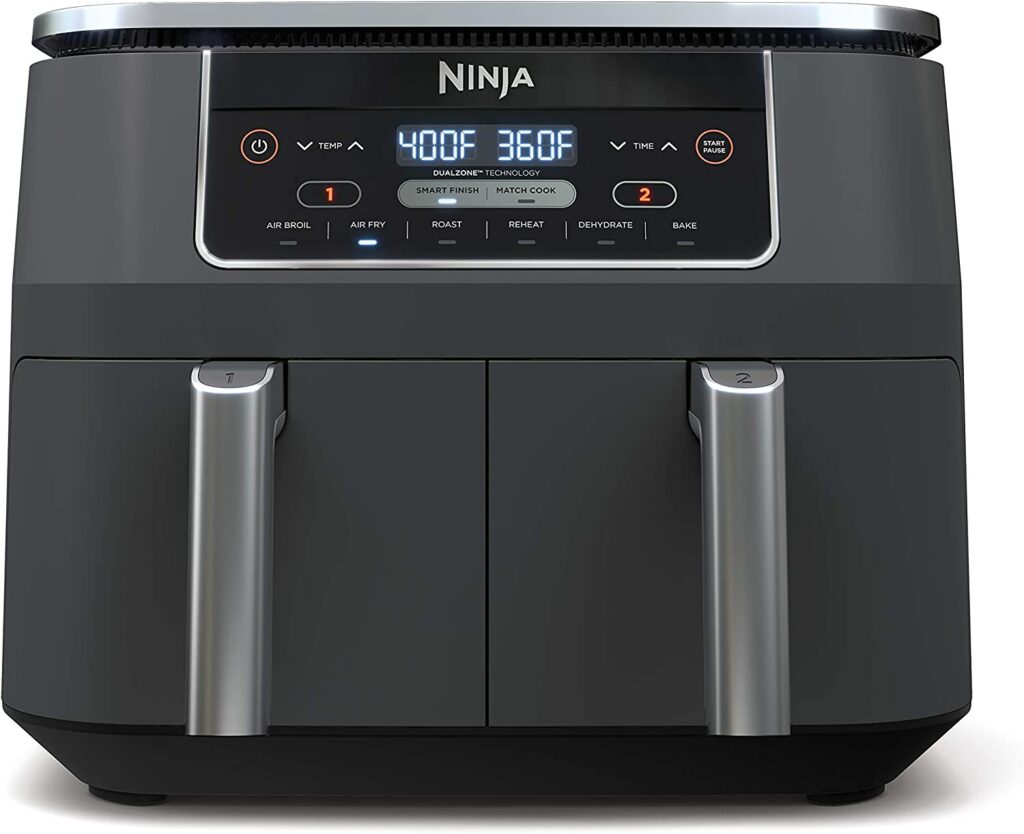
Bibigo Beef Bulgogi Mandu, a beloved Korean dumpling, offers a delightful balance of savory beef, sweet soy-marinated flavors, and the subtle crunch of a perfectly cooked wrapper. While traditionally steamed or pan-fried, the air fryer has emerged as a game-changer for busy home cooks seeking crispy, evenly cooked mandu without excess oil. The air fryer’s rapid circulation of hot air delivers a texture reminiscent of deep-frying but with far fewer calories and far less mess. Cooking Bibigo Beef Bulgogi Mandu in an air fryer is not just convenient-it unlocks a golden-brown exterior while preserving the juicy, flavorful interior, elevating this humble dumpling into a restaurant-quality snack or appetizer.
However, achieving the perfect cook requires understanding optimal temperatures, cooking times, and subtle cues that indicate doneness. This guide will take you step by step through the process, offering expert tips and troubleshooting advice to ensure consistent results.
Optimal Air Fryer Temperature To Cook Bibigo Beef Bulgogi Mandu In Air Fryer
Temperature is the cornerstone of air fryer success. Too high, and the mandu wrapper may burn before the filling is heated; too low, and the exterior remains limp and soggy. For Bibigo Beef Bulgogi Mandu, the ideal air fryer temperature is 370°F (188°C).
At 370°F, the circulating hot air efficiently crisps the mandu wrapper, producing a satisfying golden-brown hue, while the interior heats thoroughly without drying out the beef filling. This temperature balances rapid cooking with gentle heat penetration, crucial for frozen dumplings that require consistent internal temperature to reach safe consumption levels.
Lowering the temperature to 350°F may result in slightly softer wrappers and a longer cooking time, which is acceptable for those who prefer a less crisp texture. Conversely, increasing the temperature to 400°F or above accelerates browning but risks burnt edges before the filling is fully heated.
How Long To Cook Bibigo Beef Bulgogi Mandu In Air Fryer
Cooking time depends on the size of your dumplings, whether they are frozen, and the air fryer model. For standard frozen Bibigo Beef Bulgogi Mandu:
- Time: 10-12 minutes
- Flip: Halfway through cooking (around 5-6 minutes)
This ensures both sides achieve a golden-brown exterior. Some high-powered air fryers may reduce cooking time slightly, while smaller models might need an extra minute or two. The key is to check visually and monitor the crispiness of the wrapper during the last few minutes.
How To Tell If It Is Done
Determining doneness is more than checking the clock:
- Wrapper Color: The mandu should be uniformly golden brown with slightly darker tips.
- Texture: Gently press with tongs; it should feel crisp and firm, not soft or doughy.
- Filling Temperature: Ideally, the internal temperature should reach 165°F (74°C) to ensure the beef is fully cooked.
- Juiciness: When pierced with a fork, the filling should release hot juices without excessive wateriness, indicating even cooking.
Ingredients Needed
For this air fryer method, you’ll need:
- Bibigo Beef Bulgogi Mandu (frozen or thawed)
- Optional Cooking Spray or Oil (for extra crispness)
- Optional Garnish: sesame seeds, green onions, or dipping sauces such as soy sauce, vinegar, or gochujang
No additional seasoning is necessary as Bibigo mandu comes pre-flavored. However, a light mist of cooking spray enhances the crunch.
How To Cook Bibigo Beef Bulgogi Mandu In Air Fryer
- Preheat the Air Fryer: Preheat to 370°F (188°C) for 3-5 minutes. Preheating ensures immediate crisping.
- Prepare the Mandu: Lightly spray with cooking oil if desired. This step is optional but improves texture.
- Arrange Mandu: Place in a single layer, leaving space between each dumpling for air circulation.
- Cook: Air fry for 10-12 minutes, flipping halfway through.
- Check Doneness: Look for golden-brown wrappers and an internal temperature of 165°F (74°C).
- Serve: Garnish as desired and serve immediately with dipping sauce.
What If I Use A Different Air Fryer Temperature?
Altering the temperature affects texture and cooking consistency:
- Lower Temperature (350°F / 177°C): Dumplings will cook more slowly, potentially resulting in less crispy exteriors. Great if you prefer a softer bite.
- Higher Temperature (400°F / 204°C): Dumplings crisp faster but risk burning on the edges while the filling remains undercooked. Watch closely and consider shortening cook time by 1-2 minutes.
The key is balancing heat and time for even cooking.
What If I Use A Different Air Fryer Cooking Time?
Adjusting time changes doneness and texture:
- Shorter Time: Dumplings may be undercooked inside, especially if frozen. Check internal temperature before serving.
- Longer Time: Overcooking can dry out the filling and overly brown or burn wrappers. Use visual cues and internal temperature to avoid mistakes.
Always remember: flipping halfway ensures even browning regardless of timing adjustments.
When Things Go Wrong
Even seasoned cooks face mishaps. Common issues:
- Soggy Wrapper: Likely due to overcrowding or low temperature. Cook in batches and maintain 370°F.
- Burned Edges: Temperature too high or cooking time too long. Reduce temperature by 10-15°F and shorten time slightly.
- Undercooked Filling: Dumplings may be too thick or frozen solid. Extend cooking time in 1-2 minute increments until the internal temperature reaches 165°F.
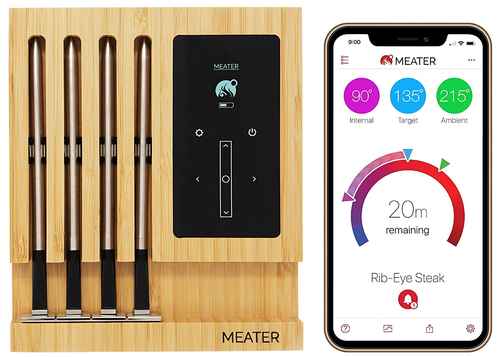
Having a quick thermometer on hand is invaluable for consistency.
Expert Tips
- Single Layer Cooking: Crowding prevents proper air circulation, resulting in uneven cooking.
- Flip for Even Browning: Halfway flipping ensures top and bottom are equally crisp.
- Light Oil Spray: Optional but enhances texture and color without adding calories.
- Preheat Air Fryer: Guarantees immediate sear and crisping of the wrapper.
- Serve Immediately: Dumplings lose crispiness if left to sit; serve straight from the fryer.
- Batch Cooking: If cooking multiple batches, maintain temperature between batches for consistent results.
FAQs
What Temperature Should I Set My Air Fryer To For Cooking Bibigo Beef Bulgogi Mandu?
For best results, preheat your air fryer to 375°F (190°C). This temperature allows the mandu to cook evenly while achieving a golden, crispy exterior without drying out the filling.
How Long Should I Cook Bibigo Beef Bulgogi Mandu In The Air Fryer?
Cook the mandu for 10-12 minutes, shaking or flipping halfway through. Thicker or frozen mandu may require an extra 1-2 minutes to ensure the filling is fully heated.
Do I Need To Thaw Frozen Bibigo Beef Bulgogi Mandu Before Air Frying?
No, you can cook the mandu directly from frozen. Cooking from frozen preserves texture and prevents the wrapper from becoming soggy, though you may need to add 1-2 minutes to the cooking time.
Should I Use Oil When Air Frying Bibigo Beef Bulgogi Mandu?
A light spray of cooking oil on the mandu before air frying can enhance crispiness, but it is not strictly necessary since the air fryer circulates hot air to crisp the wrappers naturally.
How Can I Ensure The Mandu Is Crispy On The Outside But Fully Cooked Inside?
To achieve a crispy exterior while ensuring the filling is hot, preheat the air fryer, arrange mandu in a single layer without overlapping, and cook for the recommended time, shaking or flipping halfway through.
Can I Cook Multiple Batches Of Bibigo Beef Bulgogi Mandu At Once In The Air Fryer?
Yes, but avoid overcrowding the basket. Cooking in a single layer with some space between each mandu allows hot air to circulate evenly, ensuring all pieces cook and crisp properly.
What Is The Best Way To Serve Bibigo Beef Bulgogi Mandu After Air Frying?
Serve immediately while hot and crispy. Pair with dipping sauces such as soy sauce with vinegar, spicy gochujang sauce, or sesame oil with garlic. They can also be enjoyed with rice or as a side dish in a Korean-inspired meal.