
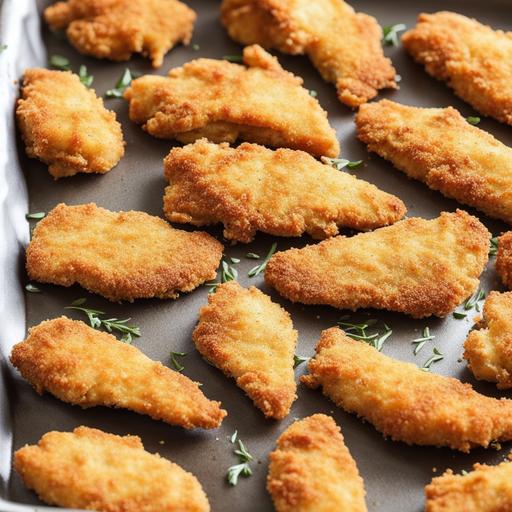
How To Cook Breaded Chicken Tenders In Air Fryer [FULL GUIDE]
Recommended Equipments:
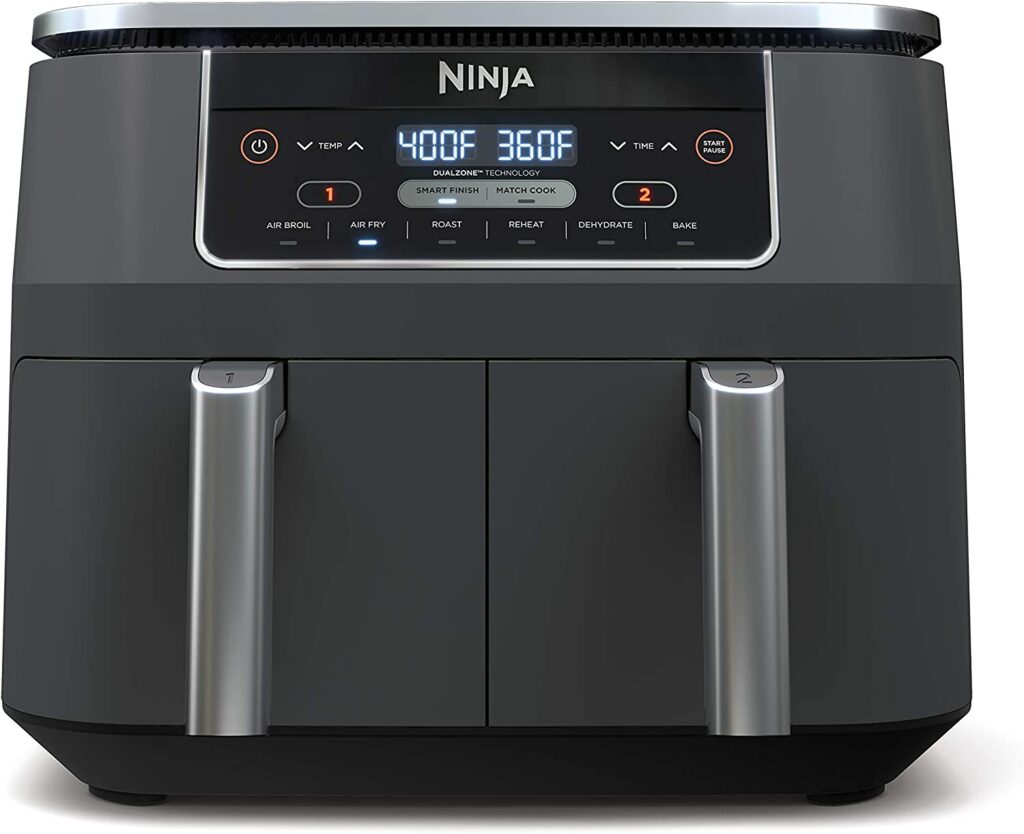
Air fryers have revolutionized the way we prepare food at home, offering a convenient and healthier alternative to deep frying while still delivering that irresistible crispiness. Among the most beloved air-fried dishes are breaded chicken tenders-a versatile favorite that appeals to children and adults alike. Whether served as a quick lunch, dinner, or snack, breaded chicken tenders are perfectly suited for the air fryer because the appliance circulates hot air around the food, creating a golden-brown crust without the need for excessive oil. However, achieving perfectly cooked tenders with a crisp exterior and juicy interior requires attention to temperature, timing, and preparation technique. In this guide, we’ll explore everything you need to know to make breaded chicken tenders in your air fryer successfully.
Optimal Air Fryer Temperature To Cook Breaded Chicken Tenders In Air Fryer
Temperature is the cornerstone of perfectly cooked breaded chicken tenders. For the ideal balance of crispy exterior and juicy interior, the optimal air fryer temperature is 400°F (205°C). This high temperature ensures that the breading becomes golden brown and crunchy while the chicken cooks through evenly.
Cooking at too low a temperature may result in soggy or unevenly cooked tenders because the hot air won’t circulate fast enough to crisp the coating. Conversely, cooking at temperatures higher than 420°F (215°C) can burn the breading before the chicken has fully cooked, leaving you with a dry interior. Setting your air fryer to 400°F provides the sweet spot for perfectly crisp and tender chicken every time.
How Long To Cook Breaded Chicken Tenders In Air Fryer
Cooking time is just as critical as temperature. Breaded chicken tenders typically require 10-12 minutes of cooking in an air fryer, depending on their thickness. It’s advisable to flip the tenders halfway through the cooking process-around the 5-6 minute mark-to ensure even browning on all sides.
Thicker tenders may need an additional 1-2 minutes, while smaller tenders may be done closer to 8-9 minutes. The goal is to cook the chicken until it reaches an internal temperature of 165°F (74°C), ensuring it is safe to eat while maintaining moisture inside.
How To Tell If It Is Done
Visual and tactile cues, in addition to using a meat thermometer, help confirm doneness:
- Color: The breading should be a golden-brown color, indicating it has crisped properly.
- Texture: The coating should feel firm and crunchy when pressed lightly with a fork or tongs.
- Juices: When you cut into the thickest part of a tender, the juices should run clear, not pink.
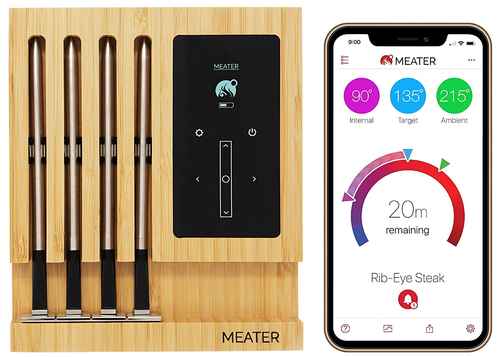
- Internal temperature: Always check with a meat thermometer-165°F (74°C) is the safe benchmark for chicken.
Relying on multiple cues prevents overcooking or undercooking, which is especially helpful if your tenders are irregular in size.
Ingredients Needed
To make air-fried breaded chicken tenders, you’ll need:
- Chicken tenders (about 1 lb / 450g)
- Flour (1 cup) for dredging
- Eggs (2, beaten)
- Breadcrumbs (1-2 cups, preferably panko for extra crunch)
- Seasonings: salt, pepper, garlic powder, paprika, or any preferred spices
- Optional: cooking spray or a light drizzle of oil to enhance crispiness
These basic ingredients provide a foundation, but seasoning the flour or breadcrumbs can elevate the flavor significantly.
How To Cook Breaded Chicken Tenders In Air Fryer
- Prep the tenders: Pat chicken tenders dry with paper towels to help the breading stick.
- Dredge in flour: Coat each tender in flour, shaking off excess.
- Dip in egg: Submerge in beaten eggs to create a sticky layer for the breadcrumbs.
- Coat with breadcrumbs: Press the chicken into the breadcrumbs, ensuring full coverage.
- Preheat air fryer: Preheat to 400°F (205°C) for 3-5 minutes.
- Arrange in air fryer basket: Place tenders in a single layer without overcrowding.
- Cook: Air fry for 10-12 minutes, flipping halfway through.
- Check doneness: Verify internal temperature reaches 165°F (74°C).
- Serve immediately: Enjoy with your favorite dipping sauces.
What If I Use A Different Air Fryer Temperature?
- Lower temperatures (350-375°F / 175-190°C): The tenders will cook more slowly, which can be useful for thicker pieces, but the breading may be less crispy. Extend cooking time by 2-4 minutes.
- Higher temperatures (425-450°F / 220-230°C): Cooking will be faster, but the risk of burning the exterior before the inside cooks increases. Watch carefully and reduce cooking time slightly.
Adjustments should be made gradually to avoid compromising texture and flavor.
What If I Use A Different Air Fryer Cooking Time?
Cooking time is directly tied to temperature and tender thickness:
- Shorter cooking times: May result in undercooked chicken, with raw or pink centers. Always check internal temperature.
- Longer cooking times: Tenders may dry out, becoming tough despite a crispy coating.
When in doubt, it’s safer to undercook slightly and add a minute or two as needed, rather than overcook from the start.
When Things Go Wrong
Common issues include:
- Soggy coating: Often caused by overcrowding or not flipping the tenders. Ensure space for airflow and flip halfway.
- Dry chicken: Usually due to overcooking or high heat. Monitor internal temperature closely.
- Uneven browning: Could be uneven tender thickness or insufficient preheating. Consider pounding tenders to uniform size and preheating the air fryer.
Understanding why things go wrong allows for quick adjustments in future batches.
Expert Tips
- Use panko breadcrumbs for a lighter, crunchier texture than traditional breadcrumbs.
- Lightly spray tenders with oil to enhance browning without deep frying.
- Marinate chicken in buttermilk or yogurt before breading for extra tenderness.
- Do not overcrowd the basket: Air circulation is key to crispiness.
- Flip tenders halfway to promote even cooking and browning.
- Check thickness: If tenders vary significantly in size, cook the larger ones first or slice them for uniformity.
These small adjustments often make the difference between good and restaurant-quality tenders.
FAQs
What Temperature Should I Set My Air Fryer To Cook Breaded Chicken Tenders?
For evenly cooked and crispy breaded chicken tenders, preheat your air fryer to 400°F (200°C). This temperature allows the breading to become golden brown while keeping the chicken juicy inside.
How Long Should Breaded Chicken Tenders Cook In An Air Fryer?
Cook breaded chicken tenders for 10-12 minutes, flipping them halfway through. The exact time may vary slightly depending on the thickness of the tenders and the specific air fryer model.
Should I Use Oil On The Chicken Tenders Before Air Frying?
Lightly spraying or brushing the breaded chicken tenders with oil is recommended. This helps achieve a crispier texture, though excessive oil is unnecessary since air fryers require minimal fat to cook food evenly.
Do I Need To Preheat The Air Fryer Before Cooking Chicken Tenders?
Yes, preheating your air fryer for 3-5 minutes ensures even cooking and better crispiness. Without preheating, the tenders may cook unevenly and the breading may not brown properly.
How Can I Tell If The Chicken Tenders Are Fully Cooked?
The internal temperature of cooked chicken should reach 165°F (74°C). You can use a meat thermometer to check this, or cut one tender in half to ensure the meat is no longer pink and juices run clear.
Can I Cook Frozen Breaded Chicken Tenders In The Air Fryer?
Yes, frozen breaded chicken tenders can be cooked directly in the air fryer. Increase the cooking time to 12-15 minutes and flip halfway through. Avoid thawing them first, as this can make the breading soggy.
How Do I Prevent The Breading From Falling Off Chicken Tenders In The Air Fryer?
Ensure the chicken tenders are evenly coated and pressed gently into the breading. Avoid overcrowding the basket, and lightly spray the tenders with oil. Flipping gently halfway through cooking also helps maintain the breading.