
How To Cook Cauliflower Bites In Air Fryer [FULL GUIDE]
Recommended Equipments:
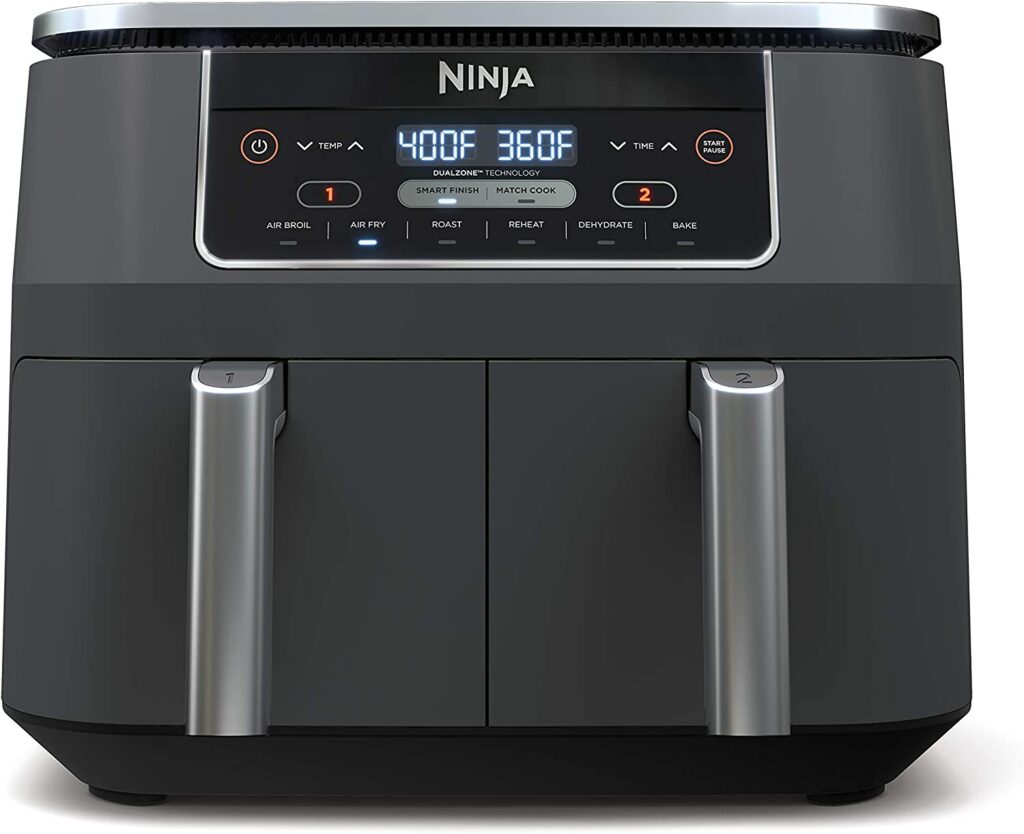
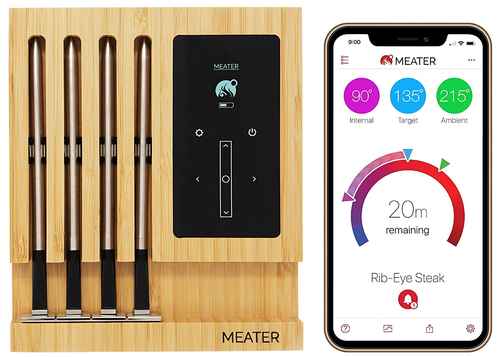
Cauliflower bites have surged in popularity as a wholesome, versatile snack or side dish. These bite-sized florets offer a satisfying crunch, the potential for bold flavors, and a health-conscious alternative to traditional fried foods. Air fryers, with their rapid hot air circulation, have revolutionized home cooking by creating crispy textures without excessive oil. Cooking cauliflower bites in an air fryer not only preserves their nutrients but also delivers a caramelized, golden exterior that rivals deep-fried versions. In this guide, we explore every aspect of perfecting air-fried cauliflower bites-from selecting the ideal temperature to troubleshooting mishaps-ensuring that every bite is crispy, flavorful, and tender.
Optimal Air Fryer Temperature To Cook Cauliflower Bites In Air Fryer
Temperature control is critical when preparing cauliflower bites. The ideal air fryer temperature is around 400°F (204°C). This temperature strikes the perfect balance between achieving a crisp exterior while cooking the inside to tender perfection. Temperatures lower than 375°F may result in soggy bites, while exceeding 425°F risks burning the exterior before the florets are fully cooked.
For seasoned or breaded cauliflower, a slightly lower starting temperature of 380°F may help the coating adhere better and prevent premature browning. If the cauliflower is plain, sticking closer to 400°F encourages a natural caramelization of the vegetable’s natural sugars, enhancing flavor.
How Long To Cook Cauliflower Bites In Air Fryer
Cooking time varies based on floret size, coating, and air fryer model. On average, cauliflower bites require 12-18 minutes in the air fryer.
- Small florets: 12-14 minutes, shaking halfway through
- Medium florets: 14-16 minutes
- Large florets or heavily breaded bites: 16-18 minutes
Shaking or flipping the bites midway ensures even browning and prevents sticking. Overcrowding the basket can increase cooking time and compromise crispiness, so air circulation is essential.
How To Tell If It Is Done
Determining doneness is more than just looking for golden edges. Indicators include:
- Exterior: Lightly browned and crisp to the touch
- Interior: Tender but not mushy; easily pierced with a fork
- Texture: Slight resistance when bitten, with a crisp outer layer and soft inside
- Color: Even golden-brown hue on all sides, indicating caramelization
If unsure, remove one floret and test; it should hold its shape without feeling raw.
Ingredients Needed
The base ingredients are simple but allow for customization:
- 1 medium head of cauliflower, cut into bite-sized florets
- 2 tablespoons olive oil (or preferred cooking oil)
- Salt and pepper, to taste
-
Optional coatings and seasonings:
- Garlic powder, paprika, or smoked paprika
- Nutritional yeast or parmesan for cheesy flavor
- Flour, breadcrumbs, or cornstarch for extra crisp
For a buffalo-style version:
- ¼ cup hot sauce
- 1-2 tablespoons melted butter
How To Cook Cauliflower Bites In Air Fryer
- Prep the cauliflower: Wash and cut into uniform bite-sized florets. Dry thoroughly to ensure crispiness.
- Season: Toss in olive oil and desired seasonings or coatings, ensuring each floret is evenly coated.
- Preheat the air fryer: Set to 400°F (204°C) for 3-5 minutes.
- Arrange in basket: Place florets in a single layer, avoiding overcrowding.
- Cook: Air fry for 12-18 minutes, shaking or flipping halfway through.
- Check doneness: Use the fork test or visual inspection. Cook additional 2-3 minutes if needed.
- Optional finishing: Toss with sauces like buffalo or teriyaki after cooking for added flavor.
What If I Use A Different Air Fryer Temperature?
Adjusting the temperature alters cooking outcomes significantly:
- Lower temperature (350-375°F): Longer cooking time; bites may be less crisp but have a gentler caramelization. Suitable for heavily breaded or marinated bites.
- Higher temperature (425-450°F): Faster crisping; exterior may brown quickly while interiors risk undercooking. Use for smaller florets or for a last-minute crisp-up.
Temperature adjustments should be paired with close monitoring to prevent burning or uneven cooking.
What If I Use A Different Air Fryer Cooking Time?
Cooking time directly impacts texture:
- Shorter time: Bites may be undercooked inside or lack crispiness.
- Longer time: Bites may dry out or become too hard, particularly if uncoated.
A good rule of thumb is to check bites 2-3 minutes before the estimated time and adjust as necessary, shaking or flipping to ensure even cooking.
When Things Go Wrong
Common issues include:
- Soggy bites: Often due to overcrowding, low temperature, or excess moisture on florets. Solution: Dry cauliflower, avoid stacking, and increase airflow.
- Burnt exterior, raw interior: Temperature too high or florets uneven in size. Solution: Reduce temperature slightly and cut florets evenly.
- Coating falling off: Caused by insufficient oil or wet florets. Solution: Dry thoroughly and lightly coat with oil before seasoning.
Even when things go wrong, minor tweaks can rescue the batch. For example, adding a few extra minutes at a lower temperature can finish cooking without burning.
Expert Tips
- Uniform size matters: Evenly sized florets cook evenly and prevent burning or undercooking.
- Dry before seasoning: Moisture prevents crisping. Pat dry after washing.
- Shake basket halfway: Ensures all sides brown evenly.
- Use a light coating of oil: Enhances caramelization and browning without excess grease.
- Experiment with flavors post-cooking: Toss with sauces or sprinkle cheese after air frying to avoid soggy coatings.
- Preheat the air fryer: Mimics oven conditions for consistent results.
FAQs
What Is The Best Way To Prepare Cauliflower For Air Fryer Bites?
Start by washing and thoroughly drying the cauliflower. Cut it into evenly sized florets to ensure consistent cooking. For extra flavor, you can toss the florets in a light coating of olive oil, salt, pepper, and any desired spices or seasoning blends before air frying.
Do I Need To Preheat The Air Fryer Before Cooking Cauliflower Bites?
Preheating the air fryer is recommended to achieve a crispy exterior. Preheat the air fryer to 375°F (190°C) for 3-5 minutes before adding the cauliflower bites. This helps the bites cook evenly and develop a golden brown texture.
What Temperature And Cooking Time Are Ideal For Air Frying Cauliflower Bites?
A temperature of 375°F (190°C) is generally ideal. Cook the cauliflower bites for 12-15 minutes, shaking or stirring halfway through to ensure even crisping. Adjust the time slightly depending on the size of the florets and your preferred level of crispiness.
Should I Use Oil When Air Frying Cauliflower Bites?
Yes, using a small amount of oil helps the cauliflower develop a golden, crispy texture. You only need about 1-2 teaspoons per 4 cups of florets. You can also use an oil spray to lightly coat the bites for a healthier option.
How Can I Make Cauliflower Bites Extra Crispy In The Air Fryer?
For extra crispiness, lightly coat the florets in a mixture of breadcrumbs or panko along with a small amount of oil. Make sure the florets are not overcrowded in the basket, as this can cause steaming instead of crisping. Shaking the basket halfway through cooking also promotes even browning.
Can I Cook Frozen Cauliflower In The Air Fryer?
Yes, frozen cauliflower can be used, but it is best to thaw and pat it dry before air frying. This reduces excess moisture and prevents soggy bites. Cooking times may need to be extended by 2-3 minutes compared to fresh cauliflower.
What Are Some Popular Seasonings Or Sauces To Serve With Air Fryer Cauliflower Bites?
Popular seasonings include garlic powder, smoked paprika, chili powder, curry powder, or a simple mix of salt and pepper. For sauces, you can serve the bites with buffalo sauce, barbecue sauce, ranch dressing, tahini, or a yogurt-based dip to complement the flavor and add extra zest.