
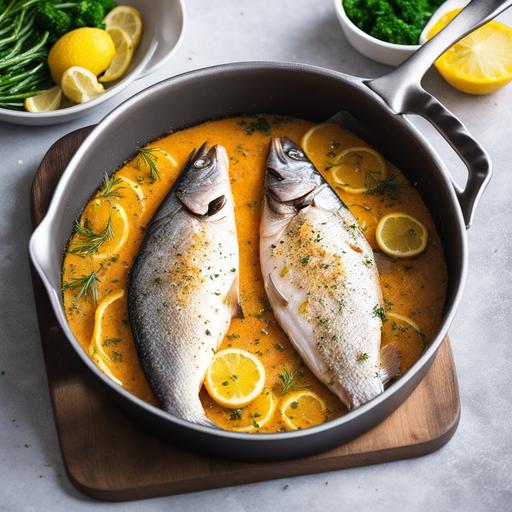
How To Cook Fresh Fish In Air Fryer [FULL GUIDE]
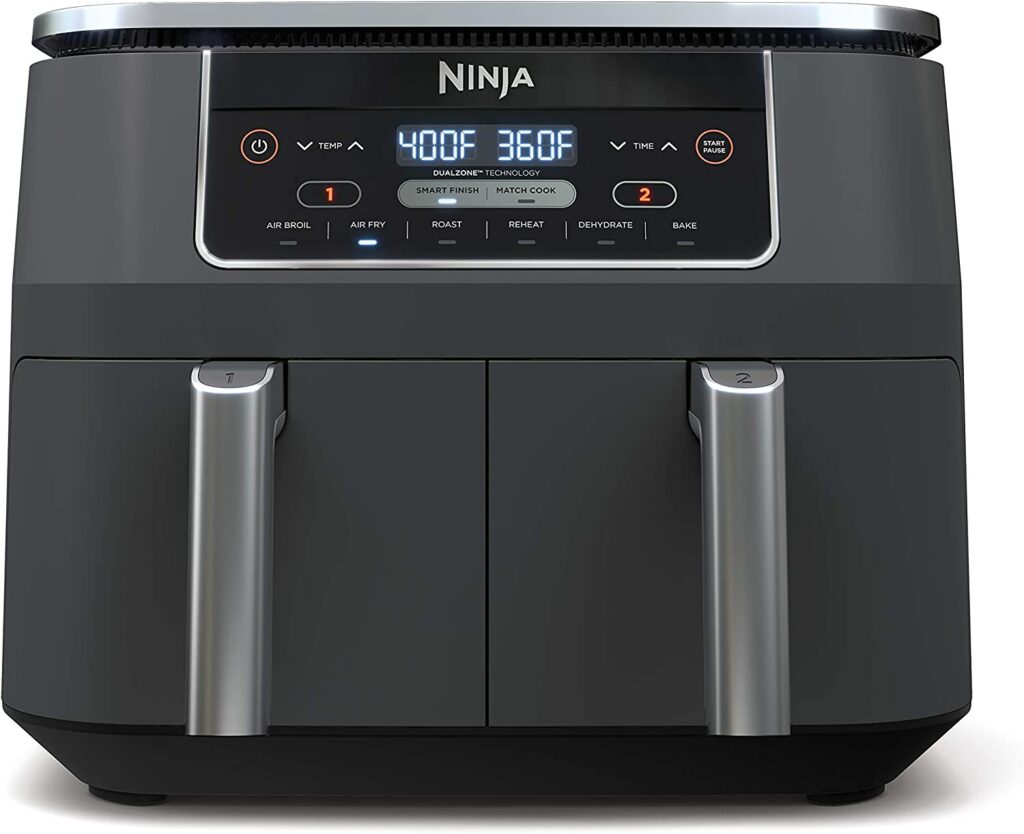
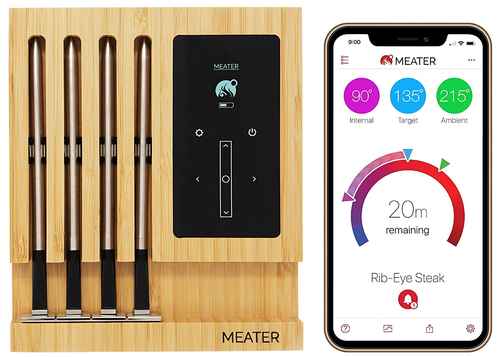
Recommended Equipments:
Cooking fresh fish in an air fryer has revolutionized the way we enjoy seafood at home. Traditionally, frying fish involved copious amounts of oil, creating a dish that, while delicious, could feel heavy and unhealthy. The air fryer changes this dynamic entirely. By circulating hot air at high speeds, it delivers that coveted crispy exterior while preserving the delicate, flaky interior of fresh fish-without saturating it in grease. Whether you’re preparing a quick weeknight dinner or an impressive dish for guests, understanding the science and technique behind air frying fish ensures perfect results every time. This guide delves into optimal temperatures, timing, and methods to transform fresh fish into a culinary delight with ease.
Optimal Air Fryer Temperature To Cook Fresh Fish In Air Fryer
The temperature at which you air fry fresh fish is critical to achieving the perfect texture. Most fresh fish fillets, such as cod, tilapia, salmon, or haddock, thrive at a temperature range of 375°F to 400°F (190°C to 204°C). Cooking at 375°F allows the fish to cook gently, reducing the risk of overcooking the delicate interior while still crisping the exterior. On the other hand, 400°F accelerates the Maillard reaction on the surface, resulting in a golden, slightly caramelized crust.
It is essential to note that the thickness of the fillet also influences the ideal temperature. Thicker cuts benefit from slightly lower temperatures to ensure the center cooks evenly, while thinner fillets can withstand higher heat without drying out.
How Long To Cook Fresh Fish In Air Fryer
Cooking time depends on the thickness and type of fish, but a general guideline for fresh fillets is 8-12 minutes. For example:
- Thin fillets (½ inch thick): 8 minutes
- Medium fillets (¾ inch thick): 10 minutes
- Thick fillets (1 inch or more): 12 minutes
Air fryers vary in power, so it’s wise to start checking for doneness a minute or two before the expected cooking time. Turning the fillets halfway through the cooking process ensures even browning and crispiness on both sides.
How To Tell If It Is Done
Determining whether your fish is perfectly cooked requires both visual and tactile cues:
- Flakiness: Gently press a fork into the thickest part of the fillet. If the fish flakes easily and separates along natural lines, it is likely done.
- Opacity: Fresh fish changes from translucent to opaque as it cooks. Ensure the interior has turned fully opaque.
- Internal Temperature: For absolute precision, use a food thermometer. The USDA recommends cooking fish to 145°F (63°C).
Overcooking can result in dry, rubbery fish, so careful observation is key.
Ingredients Needed
Cooking fresh fish in an air fryer doesn’t require a long ingredient list, but a few key components elevate flavor and texture:
- Fresh fish fillets (salmon, cod, tilapia, haddock, etc.)
- Olive oil or cooking spray
- Salt and freshly ground black pepper
- Optional seasonings: garlic powder, paprika, lemon zest, or dried herbs (thyme, dill, or parsley)
- Lemon wedges for serving
These ingredients balance simplicity and flavor, allowing the freshness of the fish to shine.
How To Cook Fresh Fish In Air Fryer
- Preheat the air fryer: Preheating to 375-400°F ensures even cooking.
- Prepare the fish: Pat fillets dry with a paper towel. Lightly brush with olive oil or spray with cooking spray. Season generously with salt, pepper, and any optional spices.
- Place the fillets: Lay the fish in a single layer in the air fryer basket. Avoid overcrowding to ensure proper air circulation.
- Cook: Air fry for 8-12 minutes, flipping halfway through if desired.
- Check doneness: Use the methods outlined above to confirm the fish is cooked perfectly.
- Serve: Remove from the air fryer, garnish with fresh herbs or a squeeze of lemon, and enjoy immediately.
What If I Use A Different Air Fryer Temperature?
Adjusting the temperature can drastically affect the outcome:
- Lower temperatures (325-350°F): The fish will cook more slowly, reducing the risk of burning or overcooking the surface, but may result in less crispiness.
- Higher temperatures (410-425°F): The exterior will crisp quickly, but there is a risk of the interior remaining undercooked or drying out if the fillet is thick.
Temperature adjustments should always be balanced with corresponding changes in cooking time.
What If I Use A Different Air Fryer Cooking Time?
Altering cooking time can produce different textures:
- Shorter cooking time: The fish may be undercooked and slightly translucent in the center.
- Longer cooking time: Fish will be fully cooked but risks becoming dry, rubbery, and less flavorful.
A careful eye on both time and temperature is essential to maintain a perfect balance of moist interior and crisp exterior.
When Things Go Wrong
Even seasoned cooks encounter mishaps:
- Fish sticks to the basket: Lightly coat the basket with oil or use parchment paper designed for air fryers.
- Fish is dry: Reduce cooking temperature slightly and check earlier in the cooking process. Brushing with oil or a marinade can help retain moisture.
- Uneven cooking: Avoid overcrowding the basket, and ensure fillets are of uniform thickness. Consider flipping halfway through cooking.
These adjustments often save a dish from disaster without sacrificing flavor.
Expert Tips
- Pat fillets dry: Removing excess moisture allows the surface to crisp properly.
- Preheat your air fryer: Ensures even cooking from the start.
- Uniform fillets: Try to cook fillets of similar thickness together.
- Season early: Allowing fish to sit with salt and spices for 10-15 minutes can enhance flavor.
- Use a light coating: A brush of oil ensures crispiness without excessive calories.
- Consider parchment paper or air fryer liners: Prevents sticking and eases cleanup.
FAQs
What Types Of Fresh Fish Are Best Suited For Air Frying?
Firm, white-fleshed fish such as cod, tilapia, haddock, and snapper are ideal for air frying because they hold their shape well. Salmon and trout also work well due to their slightly firmer texture. Avoid very delicate fish like sole or flounder, which may break apart during cooking.
Do I Need To Season Or Marinate The Fish Before Air Frying?
Yes, seasoning or marinating enhances flavor. A simple mix of olive oil, salt, pepper, lemon juice, and herbs like dill or parsley works well. For marinated fish, allow it to sit for 15-30 minutes before cooking to absorb the flavors without making it too wet, which could affect crispiness.
Should I Coat The Fish With Anything Before Air Frying?
Lightly coating the fish with breadcrumbs, panko, or a thin layer of flour can create a crispy exterior. Alternatively, air frying without a coating is also possible for a healthier, natural texture, though the fish will be less crunchy.
What Temperature And Cooking Time Should I Use?
Preheat the air fryer to 375-400°F (190-200°C). Cooking time varies with thickness: thin fillets (about 1/2 inch) take 8-10 minutes, while thicker fillets (1 inch or more) require 12-15 minutes. Flip the fish halfway through for even cooking.
How Do I Know When The Fish Is Fully Cooked?
The fish is done when it reaches an internal temperature of 145°F (63°C) and flakes easily with a fork. The exterior should be lightly golden and crispy if coated. Avoid overcooking, which can make the fish dry and tough.
Do I Need To Preheat The Air Fryer?
Preheating the air fryer for 2-3 minutes is recommended. It ensures even cooking and helps the fish develop a crisp exterior. Skipping preheating may result in unevenly cooked fish.
How Can I Prevent The Fish From Sticking To The Air Fryer Basket?
Lightly brush or spray the basket with cooking oil. You can also use parchment paper with perforations to allow airflow. Gently shaking or flipping the fish halfway through cooking will help prevent sticking and maintain a uniform texture.