
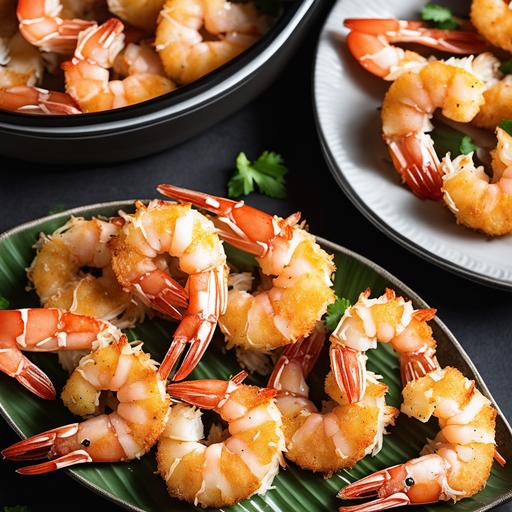
How To Cook Frozen Coconut Shrimp In Air Fryer [FULL GUIDE]
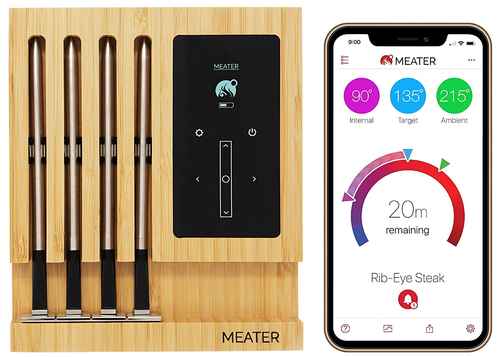
Recommended Equipments:
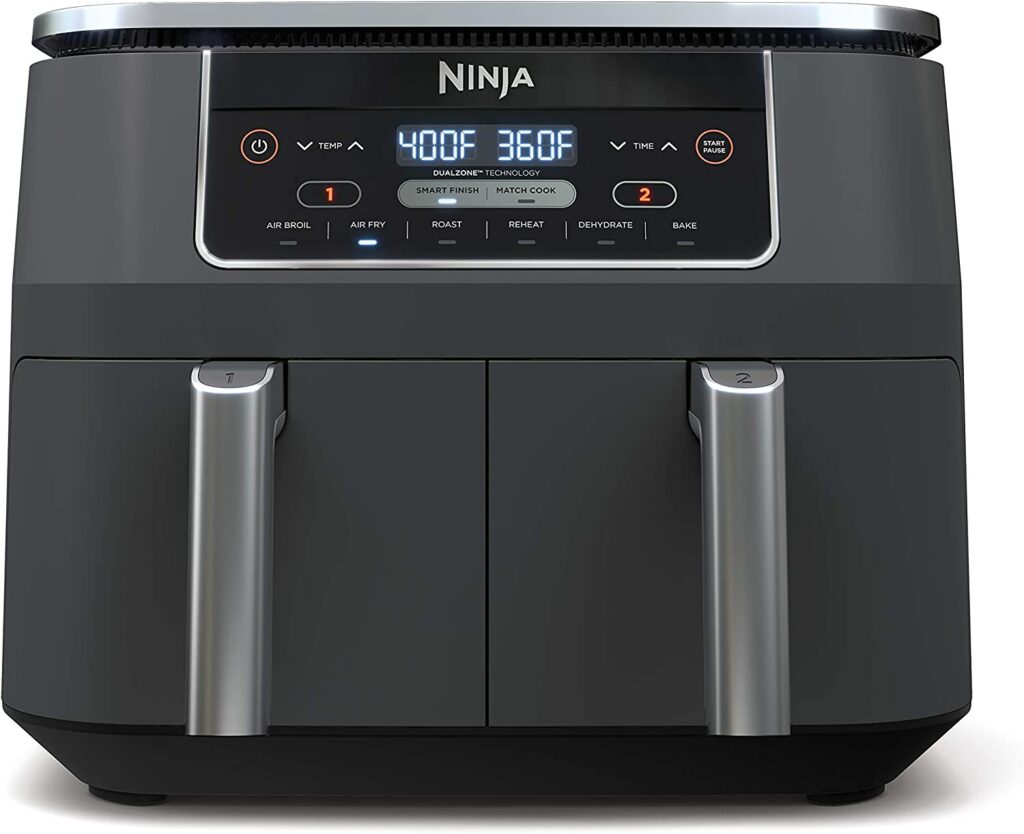
Frozen coconut shrimp has long been a favorite appetizer and snack, combining the crisp crunch of golden breading with the tropical sweetness of coconut and the tender juiciness of shrimp inside. Traditionally deep-fried, this dish can be heavy and calorie-dense. The air fryer, however, has revolutionized how we approach fried foods, offering a way to achieve that coveted crisp exterior without immersing the shrimp in oil. Cooking frozen coconut shrimp in an air fryer is not only convenient and fast but also ensures a consistent, golden finish with minimal cleanup. But success in air frying requires understanding the interplay between temperature, time, and technique-critical factors for achieving perfectly cooked shrimp every time.
Optimal Air Fryer Temperature To Cook Frozen Coconut Shrimp In Air Fryer
The ideal temperature to cook frozen coconut shrimp in an air fryer is around 400°F (204°C). This temperature strikes a balance between ensuring the coconut coating crisps up beautifully while allowing the shrimp inside to cook evenly without becoming rubbery.
Air fryers cook by circulating hot air rapidly around the food. If the temperature is too low, the coating may become soggy or fail to brown adequately. Conversely, if the temperature is too high, the exterior may burn before the shrimp are fully cooked, resulting in a bitter taste and uneven texture. Maintaining a steady 400°F allows for that golden-brown, crunchy crust while preserving the delicate moisture of the shrimp inside.
How Long To Cook Frozen Coconut Shrimp In Air Fryer
Cooking time for frozen coconut shrimp depends slightly on the size and thickness of the shrimp and the specific model of your air fryer. On average:
- Standard frozen coconut shrimp: 9-12 minutes
- Extra-large frozen coconut shrimp: 12-15 minutes
It is recommended to flip or shake the shrimp halfway through the cooking process to ensure even browning on all sides. Starting with the lower end of the time range allows you to monitor progress and prevent overcooking, as shrimp can become tough quickly if left too long.
How To Tell If It Is Done
Knowing when your coconut shrimp is perfectly cooked requires attention to both visual and tactile cues:
- Color and Texture: The coating should be golden-brown and crisp. Coconut tends to darken quickly, so the shrimp should have an even color without blackened spots.
- Shrimp Texture: The shrimp inside should be opaque and firm but still tender. Avoid overcooking, as shrimp turn rubbery when cooked too long.
- Internal Temperature: For precision, use a meat thermometer; shrimp should reach an internal temperature of 145°F (63°C).
A combination of these indicators ensures you achieve both safety and quality.
Ingredients Needed
Cooking frozen coconut shrimp in an air fryer requires minimal ingredients, as the shrimp are pre-breaded and seasoned:
- Frozen coconut shrimp (quantity depends on servings, typically 6-12 per person)
- Optional: Cooking spray or a light brush of oil for extra crispiness
- Optional: Dipping sauces (sweet chili, mango chutney, or classic cocktail sauce)
No additional seasoning is required, though light oil misting enhances browning.
How To Cook Frozen Coconut Shrimp In Air Fryer
- Preheat the air fryer to 400°F (204°C) for 3-5 minutes to ensure even cooking.
- Arrange the shrimp in a single layer in the air fryer basket. Avoid overcrowding to allow proper air circulation.
- Optional step: Lightly spray or brush the shrimp with oil to enhance crisping.
- Cook for 9-12 minutes, shaking or flipping halfway through.
- Check for doneness by observing color, texture, and internal temperature.
- Serve immediately with your favorite dipping sauce while hot and crispy.
What If I Use A Different Air Fryer Temperature?
Using a temperature lower than 400°F will slow cooking, requiring additional time to reach proper doneness. The shrimp may cook unevenly and the coating may remain soft or soggy. On the other hand, a temperature higher than 400°F can cause the coconut and breadcrumbs to brown or burn quickly while leaving the shrimp undercooked. If adjusting temperature, monitor shrimp closely and be prepared to extend or shorten cooking time accordingly.
What If I Use A Different Air Fryer Cooking Time?
Altering the cooking time without adjusting temperature can impact both texture and safety:
- Shorter time: The shrimp may remain undercooked, the shrimp meat translucent, and the coating soft.
- Longer time: The shrimp will become dry and rubbery, and the coconut coating may burn or become bitter.
Always start with the recommended time and adjust incrementally, checking for doneness visually and by touch.
When Things Go Wrong
Even with careful technique, air frying coconut shrimp can encounter issues:
- Shrimp are soggy: Likely due to overcrowding or insufficient temperature. Cook in smaller batches and ensure proper air circulation.
- Shrimp are burnt on the outside but raw inside: Temperature too high or shrimp too thick; lower temperature slightly and extend cooking time.
- Shrimp stick to basket: Preheat the air fryer and lightly spray the basket with oil. Consider using parchment liners designed for air fryers.
Understanding these pitfalls can save the next batch from disaster.
Expert Tips
- Do not thaw: Cook frozen shrimp directly from the freezer for best texture and safety.
- Flip halfway: Ensures even browning and consistent crispiness.
- Preheat your air fryer: Provides immediate searing and prevents sticking.
- Use a light oil spray: Promotes uniform golden color without excess fat.
- Serve immediately: Air-fried foods lose crispiness quickly; serve hot for optimal experience.
FAQs
Can I Cook Frozen Coconut Shrimp Directly In The Air Fryer Without Thawing?
Yes, frozen coconut shrimp can be cooked directly from the freezer in an air fryer. Preheating the air fryer for 3-5 minutes ensures even cooking, and the shrimp will cook thoroughly without thawing. This method also helps maintain a crispy coating.
What Temperature Should I Set My Air Fryer To For Frozen Coconut Shrimp?
The ideal temperature for cooking frozen coconut shrimp in an air fryer is 375°F (190°C). This temperature allows the shrimp to cook evenly while preventing the coconut coating from burning.
How Long Does It Take To Cook Frozen Coconut Shrimp In An Air Fryer?
Cooking time typically ranges from 10 to 12 minutes. Shake or flip the shrimp halfway through the cooking process to ensure even browning and crispiness on all sides.
Do I Need To Spray Oil On Frozen Coconut Shrimp Before Air Frying?
Lightly spraying the frozen shrimp with cooking oil is optional but recommended. It helps enhance the crispiness of the coconut coating and gives a golden-brown finish without making the shrimp greasy.
How Can I Tell If The Coconut Shrimp Is Fully Cooked?
The shrimp is fully cooked when the coating is golden brown and crispy, and the shrimp inside is opaque and firm to the touch. Avoid overcooking, as shrimp can become rubbery.
Can I Cook Multiple Layers Of Frozen Coconut Shrimp At Once In The Air Fryer?
It is best to cook the shrimp in a single layer with some space between each piece. Overlapping can prevent even cooking and may result in a soggy coating. If needed, cook in batches.
What Dipping Sauces Pair Well With Air-fried Coconut Shrimp?
Popular dipping sauces include sweet chili sauce, mango salsa, pineapple sauce, or a classic cocktail sauce. The sweetness of tropical or tangy sauces complements the coconut coating perfectly.