
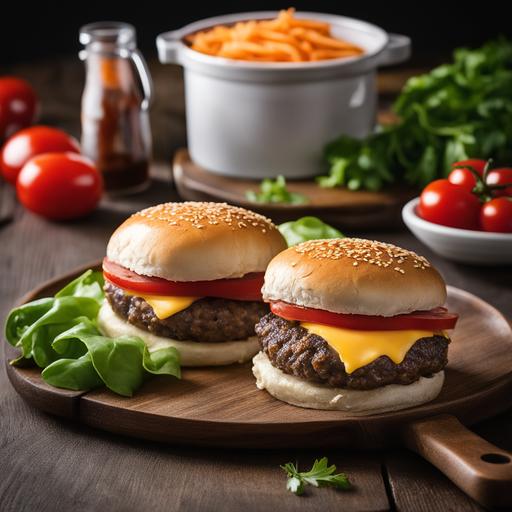
How To Cook Frozen Hamburgers In Air Fryer [FULL GUIDE]
Recommended Equipments:
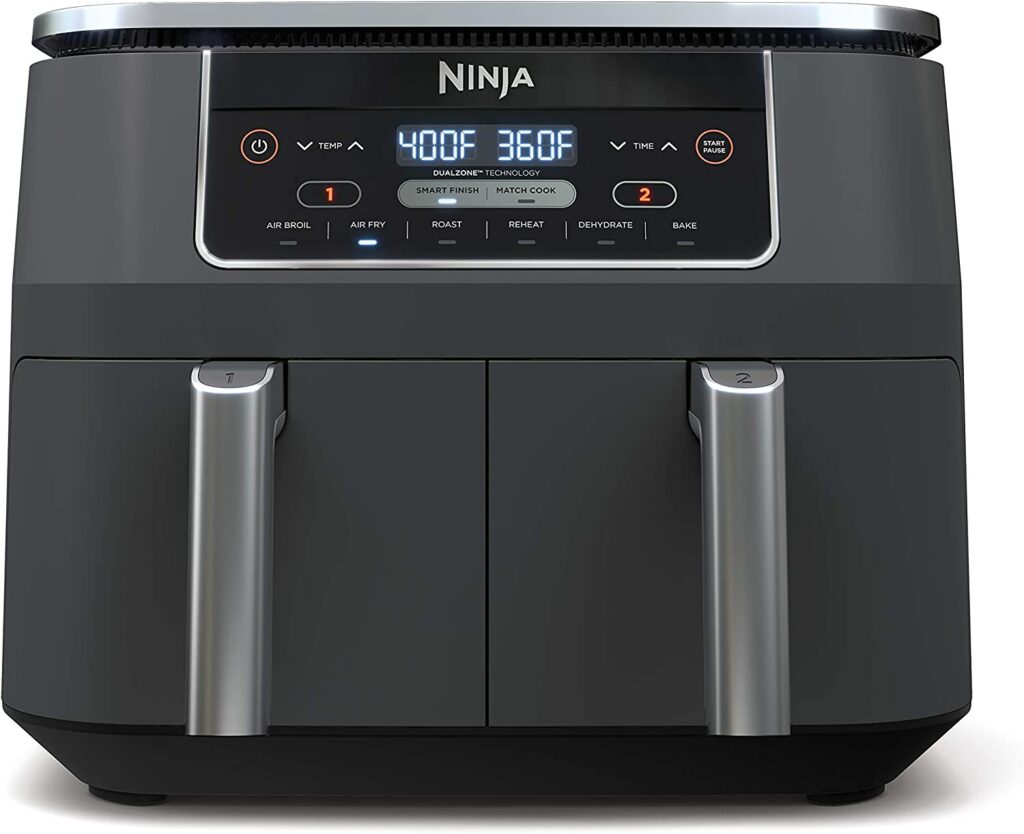
Frozen hamburgers are a convenient and versatile meal option, but cooking them perfectly can be tricky. Traditional stovetop or grill methods often require thawing, careful attention to prevent undercooking, and sometimes produce uneven results. Enter the air fryer: a modern kitchen marvel that combines convection heat with rapid air circulation, creating a golden, juicy burger with a fraction of the fuss. Air frying frozen hamburgers offers a consistent cooking method that seals in flavor while producing a crisp exterior, all without the need for added oils or messy grease. In this guide, we’ll explore the science and practical steps behind air frying frozen hamburgers to perfection, ensuring a satisfying result every time.
Optimal Air Fryer Temperature To Cook Frozen Hamburgers In Air Fryer
Temperature plays a pivotal role in cooking frozen hamburgers evenly. The ideal air fryer temperature strikes a balance between rapid surface browning and thorough internal cooking. For frozen patties, preheating your air fryer to 360°F (182°C) is generally optimal. This temperature allows the outside of the burger to achieve a desirable crust without leaving the center raw.
Cooking at temperatures too high (400°F or above) can quickly brown the exterior while leaving the inside undercooked, creating a burger that is visually appealing but unsafe to eat. Conversely, temperatures too low (below 320°F) can result in a dry, grayish patty that lacks flavor and juiciness. For most standard frozen beef patties, 360°F provides a balance between texture, juiciness, and safety.
How Long To Cook Frozen Hamburgers In Air Fryer
Cooking time varies slightly depending on patty thickness, air fryer brand, and whether you prefer your burger medium or well-done. On average:
- Regular ¼-inch to ½-inch frozen patties: 15-18 minutes
- Thicker gourmet or homemade patties (¾-inch or more): 20-25 minutes
It’s essential to flip the patties halfway through cooking. This ensures even exposure to the circulating hot air, preventing uneven browning and undercooked spots. Using a meat thermometer to check doneness adds an extra layer of precision.
How To Tell If It Is Done
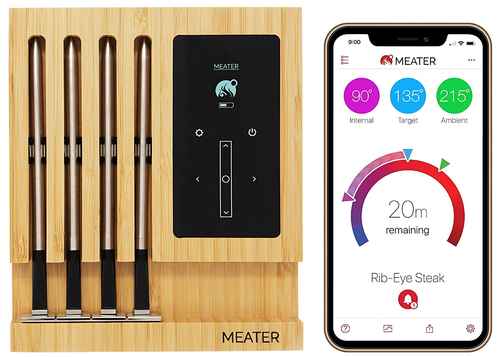
Safety and quality go hand in hand when cooking burgers. The most reliable method to ensure doneness is using an instant-read meat thermometer:
- Medium-rare: 130-135°F (not recommended for frozen store-bought patties)
- Medium: 140-145°F
- Medium-well: 150-155°F
- Well-done: 160°F
Visually, a fully cooked hamburger will have a firm texture, no pink in the center, and juices that run clear. Slight browning along the edges and a caramelized exterior indicate a flavorful crust formed by the Maillard reaction.
Ingredients Needed
Cooking frozen hamburgers in an air fryer requires minimal ingredients, making it an easy meal prep option:
- Frozen hamburger patties (beef, turkey, or plant-based alternatives)
- Salt and pepper, or seasoning of choice
- Optional toppings: cheese slices, lettuce, tomato, pickles, onions
- Optional buns or bread
Extra ingredients like garlic powder, smoked paprika, or burger seasoning can elevate flavor, but even a simple salt-and-pepper approach delivers a satisfying result.
How To Cook Frozen Hamburgers In Air Fryer
- Preheat your air fryer to 360°F (182°C) for 3-5 minutes.
- Season both sides of your frozen patties with salt, pepper, or desired spices.
- Place the patties in a single layer in the air fryer basket. Avoid stacking or overlapping.
- Cook for 15-18 minutes, flipping halfway through.
- Check the internal temperature using a meat thermometer to ensure it reaches at least 160°F for beef.
- Optional: Add cheese in the final 1-2 minutes to allow it to melt.
- Serve immediately with your choice of bun, toppings, and condiments.
What If I Use A Different Air Fryer Temperature?
Adjusting the temperature affects texture, juiciness, and cooking time:
- Higher temperatures (375-400°F): Shorter cooking time but increased risk of burning or uneven cooking. A thicker patty may remain undercooked in the center.
- Lower temperatures (320-350°F): Slower, gentler cooking that preserves juiciness but may result in a less crisp exterior. Expect longer cook times, sometimes up to 25-30 minutes for thick patties.
Fine-tuning temperature depends on your air fryer model, patty thickness, and personal preference for doneness.
What If I Use A Different Air Fryer Cooking Time?
Cooking time directly affects doneness:
- Too short: Burgers may be raw or partially frozen in the center.
- Too long: Burgers become dry, tough, or overcooked, with a shrunken appearance.
A good rule of thumb is to start with the standard 15-18 minutes and check internal temperature halfway through any adjustments. Precision is better than guesswork; a thermometer is your best friend.
When Things Go Wrong
Even with air fryers, mistakes happen:
- Undercooked center: Return the patties to the air fryer for 2-5 minutes at a slightly lower temperature to finish cooking evenly.
- Dry or overcooked: Reduce cooking time next time or add a small pat of butter on top to restore moisture.
- Uneven browning: Flip more frequently or rotate patties for uniform heat exposure.
These errors are easily corrected and are excellent learning opportunities for perfecting your method.
Expert Tips
- Preheat the air fryer for even heat distribution.
- Do not overcrowd the basket; air circulation is crucial.
- Use a meat thermometer to guarantee safe and perfect doneness.
- Rest the patties for 2-3 minutes after cooking to allow juices to redistribute.
- Season creatively: smoked paprika, garlic powder, or onion powder add complexity without extra oil.
- Cheese trick: Place cheese on the patty and cover with a small foil tent for 1-2 minutes to melt without burning.
FAQs
Can I Cook Frozen Hamburgers In An Air Fryer Without Thawing Them First?
Yes, frozen hamburgers can be cooked directly in an air fryer without thawing. Air fryers circulate hot air around the food, which allows frozen patties to cook evenly. However, cooking time will be slightly longer than fresh or thawed patties.
What Temperature Should I Set My Air Fryer To For Cooking Frozen Hamburgers?
The ideal temperature for cooking frozen hamburgers in an air fryer is typically 375°F (190°C). This temperature allows the patties to cook thoroughly without drying out, while achieving a slightly crispy exterior.
How Long Does It Take To Cook A Frozen Hamburger In An Air Fryer?
Cooking time depends on the thickness of the patty. Generally, frozen hamburger patties take 15-20 minutes in an air fryer, flipping halfway through for even cooking. Always check that the internal temperature reaches 160°F (71°C) for safety.
Do I Need To Use Oil When Cooking Frozen Hamburgers In An Air Fryer?
Using oil is optional. Some people lightly brush the patty with oil to enhance browning and prevent sticking. However, many air fryer baskets have non-stick coatings, and frozen patties often release enough fat during cooking, making oil unnecessary.
Should I Season Frozen Hamburgers Before Air Frying?
Yes, you can season frozen hamburgers before air frying, but it is easier to add seasoning after the patty has slightly thawed during cooking. Common seasonings include salt, pepper, garlic powder, and onion powder. Avoid heavy sauces initially, as they may burn.
How Can I Tell If My Frozen Hamburger Is Fully Cooked In The Air Fryer?
The most reliable way is to use a meat thermometer. The internal temperature should reach 160°F (71°C) for beef. Additionally, the exterior should be browned and firm, and the juices should run clear when pressed with a fork.
Can I Cook Multiple Frozen Hamburgers At Once In The Air Fryer?
Yes, you can cook multiple patties, but avoid overcrowding the basket. Leave at least ½ inch of space between patties to ensure proper air circulation and even cooking. You may need to increase the cooking time slightly when cooking several patties together.