
How To Cook Frozen Seasoned Chicken Wings In Air Fryer [FULL GUIDE]
Recommended Equipments:
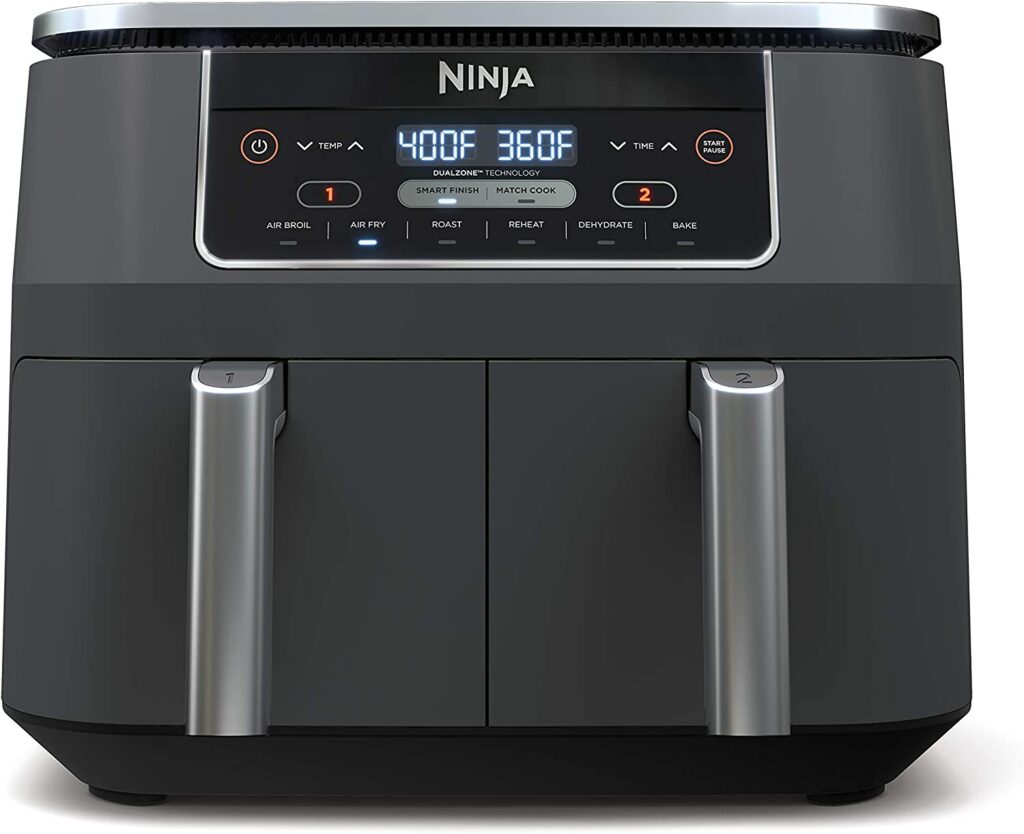
Frozen seasoned chicken wings are a favorite for quick, satisfying meals, especially when you crave that crispy exterior and juicy interior without the mess of deep frying. The beauty of the air fryer lies in its ability to circulate hot air rapidly, creating a crunchy texture that mimics traditional frying but with far less oil. Whether you’re hosting a casual game night, preparing a midweek dinner, or simply indulging in a snack, cooking frozen seasoned chicken wings in an air fryer offers convenience and flavor in one. However, achieving the perfect balance between crispiness and tenderness requires attention to temperature, timing, and proper technique.
Optimal Air Fryer Temperature To Cook Frozen Seasoned Chicken Wings In Air Fryer
The temperature at which you cook frozen chicken wings is critical for achieving that coveted golden-brown exterior without drying out the meat. For most air fryers, the ideal temperature for cooking frozen seasoned chicken wings is around 360°F (182°C). This temperature allows the wings to cook through evenly while giving the skin enough heat to crisp up. Cooking at a lower temperature may result in wings that are cooked through but lack crispiness, while higher temperatures risk burning the outside before the interior is fully cooked.
Some air fryers have strong airflow systems that can tolerate slightly higher temperatures, around 375°F (190°C), which can speed up cooking and create extra crispiness. However, a moderate 360°F provides the safest balance for most home models, especially if the wings are thickly seasoned or larger in size.
How Long To Cook Frozen Seasoned Chicken Wings In Air Fryer
Cooking time varies based on the size of the wings and the type of air fryer used. On average, frozen seasoned chicken wings require 25-30 minutes in the air fryer. To ensure even cooking, it is essential to flip or shake the wings halfway through the cooking process.
- Small wings (under 3 oz each): 22-25 minutes
- Medium wings (3-4 oz each): 25-28 minutes
- Large wings (over 4 oz each): 28-32 minutes
Because air fryer models differ, it’s always wise to check for doneness a few minutes before the recommended cooking time, then adjust as necessary.
How To Tell If It Is Done
Properly cooked chicken wings should meet both safety and quality criteria.
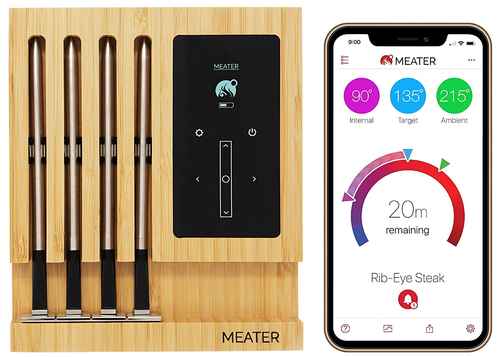
- Internal Temperature: The USDA recommends chicken reach 165°F (74°C). Using a meat thermometer inserted into the thickest part of a wing is the most accurate method.
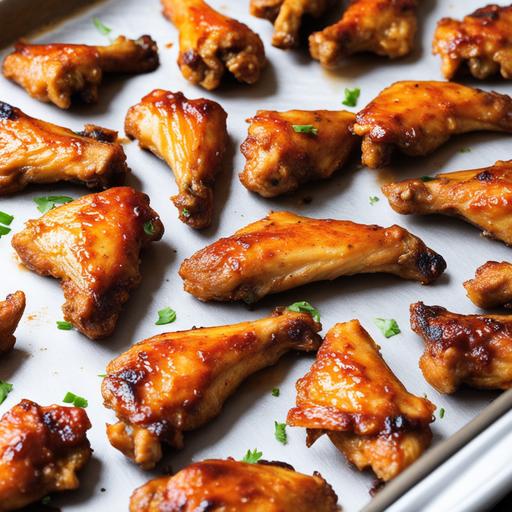
- Visual Clues: Look for golden-brown skin that has crisped nicely. The meat should pull away from the bone easily.
- Texture Test: When pierced, the juices should run clear, not pink or bloody. The wing should feel firm but still juicy inside.
Ingredients Needed
For a simple, foolproof batch of frozen seasoned chicken wings, you will need:
- 1-2 pounds of frozen seasoned chicken wings (store-bought or homemade seasoned before freezing)
- Optional: cooking spray (for extra crispiness)
- Optional: extra seasoning or dry rub (if you want to enhance flavor mid-cook)
No oil is required, but a light spritz can enhance browning.
How To Cook Frozen Seasoned Chicken Wings In Air Fryer
- Preheat the air fryer to 360°F (182°C) for 3-5 minutes. Preheating ensures the wings start crisping immediately.
- Arrange wings in a single layer in the basket. Avoid overcrowding to allow proper air circulation.
- Cook for 12-15 minutes, then shake or flip the wings for even browning.
- Continue cooking for an additional 12-15 minutes until wings reach 165°F internally and the skin is golden and crisp.
- Check doneness and adjust cooking time if necessary.
- Serve immediately with dipping sauce, celery sticks, or your favorite sides.
What If I Use A Different Air Fryer Temperature?
Using a higher temperature (375-400°F / 190-204°C) will make wings crispier faster but risks overcooking or drying out the meat if left too long. A lower temperature (320-340°F / 160-171°C) will cook the wings more gently, keeping them juicier but may produce less crispy skin and extend cooking time. Adjust the cooking time accordingly and always check the internal temperature.
What If I Use A Different Air Fryer Cooking Time?
Shortening the cooking time may leave the wings undercooked in the center, especially when frozen. Extending cooking time too long can dry out the meat and toughen the skin. Always prioritize internal temperature over timing alone, as every air fryer model heats differently.
When Things Go Wrong
- Wings are raw inside: Likely cooked at too low a temperature or for too short a time. Return to the air fryer and continue cooking until the internal temperature reaches 165°F.
- Skin is burnt but meat is undercooked: Temperature too high or wings placed too close to heating element. Lower the temperature and cook longer.
- Wings are soggy: Wings were overcrowded or not flipped/shaken mid-cook. Spread wings in a single layer and ensure proper air circulation.
Expert Tips
- Shake or flip midway to ensure even cooking.
- Do not thaw frozen seasoned wings before cooking-air frying from frozen locks in juices.
- Use a thermometer for the most reliable doneness check.
- Add a light spray of oil for extra crispiness without deep frying.
- Experiment with seasoning: add a pinch of garlic powder, paprika, or cayenne for a flavor boost mid-cook.
FAQs
Can I Cook Frozen Seasoned Chicken Wings Directly In An Air Fryer?
Yes, you can cook frozen seasoned chicken wings directly in an air fryer. There is no need to thaw them beforehand. Cooking from frozen ensures the wings retain their flavor and texture. Preheating the air fryer for a few minutes can help achieve more even cooking.
What Temperature Should I Set My Air Fryer For Frozen Chicken Wings?
The ideal temperature for cooking frozen chicken wings in an air fryer is typically 360°F to 400°F (182°C to 204°C). Start at a lower temperature for the first 15-20 minutes to ensure the wings cook through, then increase the heat toward the end to crisp the skin.
How Long Does It Take To Cook Frozen Seasoned Chicken Wings In An Air Fryer?
Cooking time varies depending on wing size and air fryer model, but generally, frozen wings take 25 to 30 minutes. Shake or flip the wings every 8-10 minutes to ensure even cooking and prevent sticking.
Do I Need To Add Oil When Cooking Frozen Seasoned Wings In An Air Fryer?
Most seasoned wings already contain some oil or seasoning that will render during cooking. Adding a light spray of oil can enhance crispiness but is optional. Excess oil is unnecessary and can cause smoke in the air fryer.
How Can I Tell When The Chicken Wings Are Fully Cooked?
The most reliable way to check doneness is with a meat thermometer. The internal temperature should reach at least 165°F (74°C). Wings should be golden brown, crispy on the outside, and juices should run clear.
Can I Cook A Large Batch Of Frozen Wings At Once In The Air Fryer?
You can cook multiple wings, but avoid overcrowding the basket. Overcrowding reduces airflow, leading to uneven cooking and soggy skin. It’s better to cook in batches for consistent results.
Should I Season Frozen Wings Again Before Cooking In An Air Fryer?
It is usually unnecessary to add extra seasoning if the wings are already seasoned. However, if you prefer stronger flavors, you can lightly sprinkle additional spices or toss the wings with a small amount of oil and seasoning before cooking.