
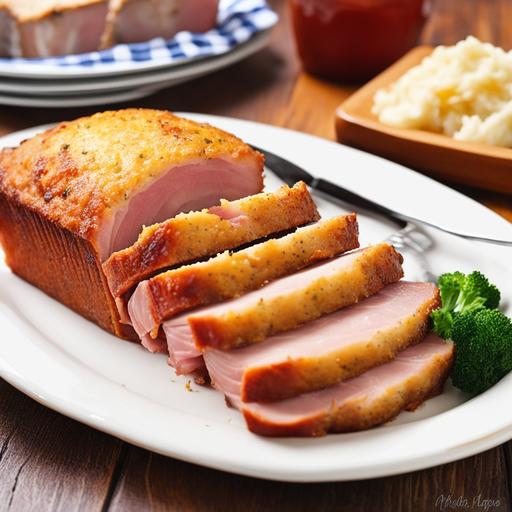
How To Cook Ham Loaf In Air Fryer [FULL GUIDE]
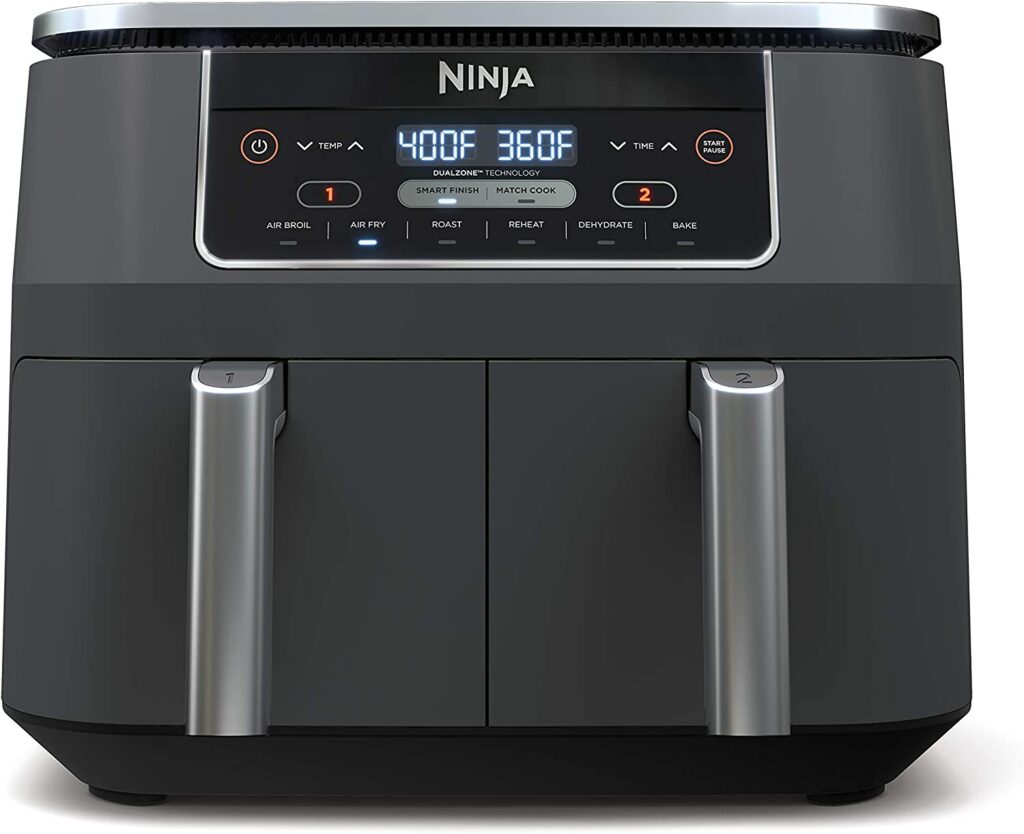
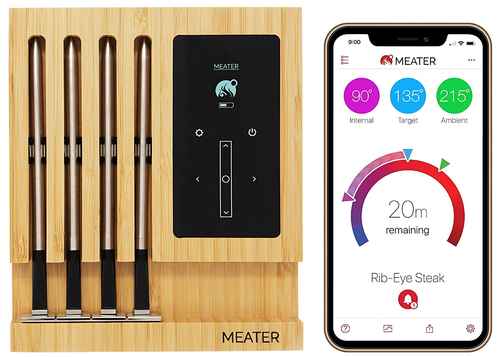
Recommended Equipments:
Ham loaf is a comforting, savory dish that has graced family tables for generations. Combining the smoky, salty flavor of ham with a tender, slightly sweet loaf, it’s the perfect balance between hearty protein and flavorful seasoning. Traditionally baked in the oven, ham loaf can also be cooked in an air fryer-a method that not only speeds up cooking time but also produces a moist interior with a lightly crisp exterior. The air fryer’s rapid air circulation ensures even cooking, locking in juices while giving the loaf a golden-brown finish. In this guide, we’ll explore every aspect of cooking ham loaf in an air fryer, from ideal temperatures to troubleshooting common pitfalls, ensuring a perfect result every time.
Optimal Air Fryer Temperature To Cook Ham Loaf In Air Fryer
The ideal temperature for cooking ham loaf in an air fryer is 350°F (175°C). This temperature strikes a balance between cooking the loaf evenly throughout and avoiding over-browning or drying out the exterior. Cooking at lower temperatures, such as 325°F, can result in a slower cooking process, which is useful if your loaf is particularly thick or dense. Higher temperatures, like 375°F, may brown the outside too quickly, leaving the interior undercooked.
Using 350°F allows the air fryer’s circulating hot air to penetrate the loaf gradually, promoting even cooking and ensuring the glaze or toppings caramelize without burning. It’s also important to preheat your air fryer for 3-5 minutes to stabilize the temperature before placing the loaf inside.
How Long To Cook Ham Loaf In Air Fryer
Cooking time varies depending on the size and thickness of your ham loaf. For a standard 1-pound loaf, the typical cooking time is about 25-30 minutes at 350°F. For larger loaves, closer to 2 pounds, cooking may take 35-40 minutes.
It’s best to check the internal temperature using a meat thermometer starting at the lower end of the cooking range. Overcooking can dry out the loaf, while undercooking leaves it unsafe to eat. Because air fryers vary in airflow and wattage, these times are guidelines rather than strict rules-observing doneness is essential.
How To Tell If It Is Done
The most reliable way to determine if your ham loaf is cooked through is to measure the internal temperature. A fully cooked ham loaf should reach an internal temperature of 160°F (71°C).
Other visual and tactile cues include:
- Firm texture: The loaf should spring back slightly when gently pressed.
- Golden exterior: The top should have a lightly browned or caramelized crust, especially if glazed.
- Juices: When sliced, the juices should run clear and not appear pink or watery.
Ingredients Needed
To make a classic ham loaf suitable for the air fryer, you will need:
- 1-2 pounds of ground ham
- 1/2 pound of ground pork (optional for added moisture)
- 1 cup breadcrumbs (regular or panko)
- 1/2 cup milk
- 1/4 cup finely chopped onion
- 1/4 cup ketchup or tomato sauce
- 1 tablespoon mustard
- 1 teaspoon garlic powder
- 1 teaspoon black pepper
- 1/2 teaspoon salt
- 1/2 teaspoon paprika (optional for color and flavor)
- 1-2 tablespoons brown sugar or honey (for glaze, optional)
The glaze can be a combination of ketchup, brown sugar, mustard, and a touch of vinegar, spread over the top during cooking to add sweetness and create a caramelized crust.
How To Cook Ham Loaf In Air Fryer
- Preheat the air fryer: Set it to 350°F (175°C) for 3-5 minutes.
- Prepare the loaf: In a mixing bowl, combine ground ham, ground pork, breadcrumbs, milk, onion, ketchup, mustard, garlic powder, pepper, and salt. Mix until just combined-avoid overmixing to keep the loaf tender.
- Shape the loaf: Form the mixture into a compact oval or rectangular shape that fits comfortably in your air fryer basket without touching the sides.
- Optional glazing: Brush the top with your glaze mixture.
- Air fry: Place the loaf in the preheated air fryer. Cook at 350°F for 25-30 minutes (adjust for loaf size).
- Check doneness: Insert a meat thermometer into the center; it should read 160°F.
- Rest the loaf: Remove from the air fryer and let it rest for 5-10 minutes before slicing to allow juices to redistribute.
What If I Use A Different Air Fryer Temperature?
- Lower temperature (325°F / 163°C): The loaf will cook more slowly and evenly, which is ideal for very thick loaves. However, you may not achieve a nicely browned exterior without adding extra cooking time.
- Higher temperature (375-400°F / 190-200°C): The exterior will brown faster, potentially producing a crisp crust, but you risk an undercooked center if the loaf is thick. Monitor carefully and consider tenting the top with foil to prevent burning.
What If I Use A Different Air Fryer Cooking Time?
- Shorter cooking time: The loaf may be undercooked, and the center could remain raw. Always use a thermometer to check internal temperature rather than relying solely on time.
- Longer cooking time: Overcooking will dry out the ham loaf and make it tough. If the exterior becomes too dark before the interior reaches 160°F, cover loosely with foil to prevent burning while finishing the cooking.
When Things Go Wrong
Even experienced cooks can encounter problems with air-fried ham loaf:
- Dry or tough loaf: Usually caused by overcooking or using lean meat without added moisture. Remedy by reducing cooking time and including milk or a small amount of ground pork for moisture.
- Undercooked center: Typically due to a thick loaf or too high a temperature. Lower the temperature and extend cooking time gradually.
- Burnt glaze: Sugar-based glazes can caramelize quickly. Apply in the last 5-10 minutes of cooking or tent the loaf with foil if browning too fast.
Expert Tips
- Use a meat thermometer: Never rely solely on cooking time-air fryer models vary widely.
- Don’t overmix the meat: Overmixing makes the loaf dense and tough. Mix gently until combined.
- Size matters: Shape the loaf to fit your air fryer basket comfortably; overcrowding reduces air circulation and affects cooking.
- Rest before slicing: This ensures the juices settle and prevents the loaf from drying out.
- Experiment with glaze timing: Adding the glaze halfway through or in the last 5-10 minutes can give better caramelization without burning.
FAQs
Can I Cook A Frozen Ham Loaf In An Air Fryer?
Yes, you can cook a frozen ham loaf in an air fryer, but it will take longer than a thawed loaf. Preheat the air fryer to 325°F (163°C) and cook the frozen loaf for 45-60 minutes, checking periodically to ensure even cooking. Using a meat thermometer to confirm the internal temperature reaches 160°F (71°C) is recommended.
How Long Does It Take To Cook A Ham Loaf In An Air Fryer?
Cooking time depends on the size and thickness of the ham loaf. For a 1 to 1.5-pound loaf, cook at 350°F (177°C) for 25-30 minutes. For larger loaves, you may need to increase the time to 40-50 minutes. Always verify doneness with a meat thermometer.
Should I Cover The Ham Loaf While Cooking In The Air Fryer?
Covering the ham loaf is optional. Leaving it uncovered allows the top to caramelize and develop a slight crisp, especially if glazed. If you prefer a softer crust, loosely cover the loaf with foil for the first half of cooking and remove it for the final minutes to achieve browning.
Do I Need To Add Extra Oil When Cooking Ham Loaf In An Air Fryer?
Typically, no extra oil is needed because ham loaf contains enough fat to prevent sticking. However, lightly greasing the air fryer basket with cooking spray or brushing the loaf with a glaze can enhance flavor and prevent sticking.
Can I Glaze The Ham Loaf In An Air Fryer?
Yes, glazing is recommended to add flavor and create a caramelized crust. Apply the glaze during the last 10-15 minutes of cooking to prevent burning. Popular glazes include brown sugar, honey, or a mixture of mustard and maple syrup.
How Do I Prevent The Ham Loaf From Drying Out In An Air Fryer?
To prevent dryness, avoid overcooking and monitor the internal temperature closely. Cooking at a moderate temperature (around 350°F/177°C) and adding a glaze or light brushing of oil can help retain moisture. Wrapping the loaf loosely in foil for part of the cooking process also helps keep it juicy.
How Do I Know When The Ham Loaf Is Fully Cooked In An Air Fryer?
Use a meat thermometer to check doneness. The internal temperature should reach 160°F (71°C). Additionally, the top should be lightly browned, and the loaf should feel firm to the touch. Resting the loaf for 5-10 minutes after cooking allows juices to redistribute, enhancing flavor and moisture.