

How To Cook Jacket Potato In Ninja Air Fryer [FULL GUIDE]
Recommended Equipments:
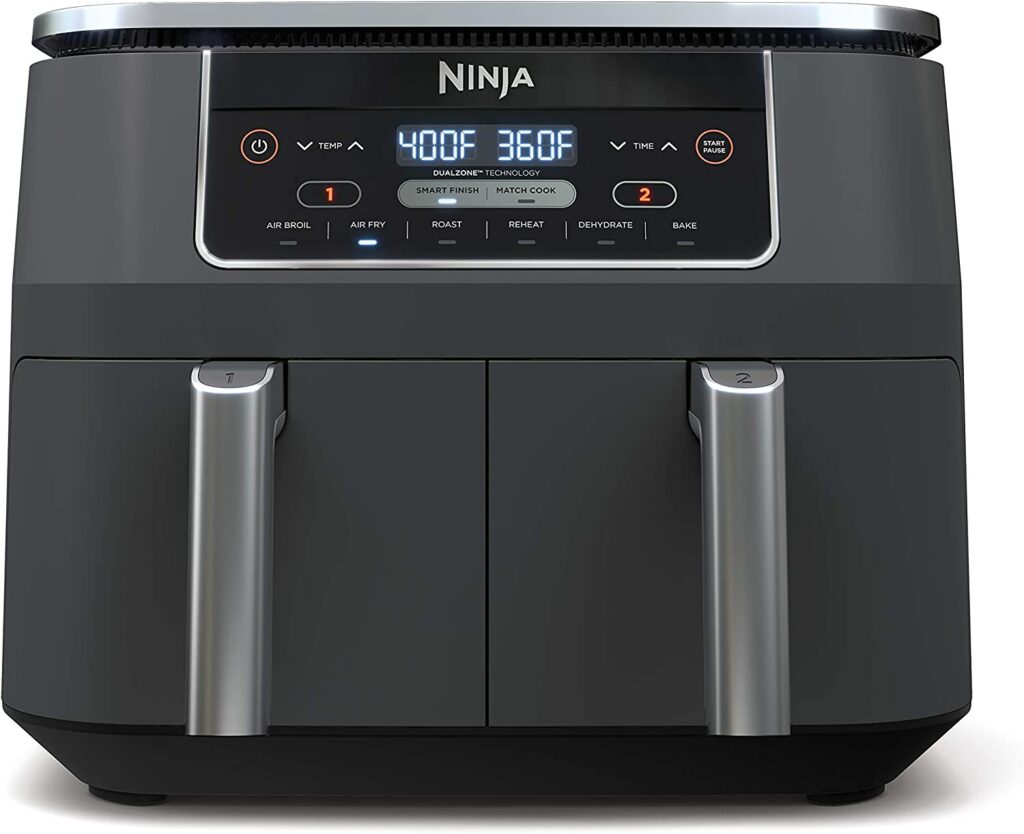
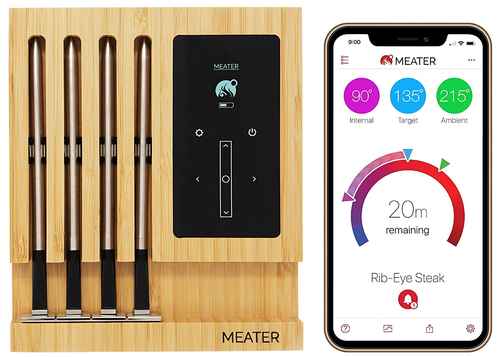
The humble jacket potato, a staple of comfort food, achieves a magical transformation when cooked properly: a crisp, golden skin encasing a soft, fluffy interior. While traditionally baked in an oven, air fryers like the Ninja have revolutionized this process, offering a faster, energy-efficient alternative that delivers impressive results. With the right technique, an air-fried jacket potato can rival-or even surpass-its oven-baked counterpart, giving you perfectly textured skin and a steaming interior without hours of waiting. This guide will walk you through every step of achieving the ultimate Ninja Air Fryer jacket potato, from optimal temperatures to troubleshooting common mishaps, ensuring consistently satisfying results.
Optimal Air Fryer Temperature To Cook Jacket Potato In Ninja Air Fryer
Temperature is a critical factor in air frying a jacket potato. The goal is to balance two key outcomes: crisp, crackling skin and a tender, fully cooked interior. For the Ninja Air Fryer, the sweet spot is 200°C (approximately 400°F). This high temperature promotes Maillard browning, which gives the skin its signature golden-brown crunch while allowing the heat to penetrate deep into the potato, cooking it evenly. Temperatures lower than 180°C (356°F) may result in longer cooking times and a skin that is soft rather than crisp. Conversely, temperatures above 210°C (410°F) risk overcooking the exterior before the interior is fully tender.
How Long To Cook Jacket Potato In Ninja Air Fryer
Cooking time depends on the size of the potato and the desired texture. On average, a medium-sized potato (around 200-250 grams) will require 35-45 minutes at 200°C. Smaller potatoes may be ready closer to 30 minutes, while larger potatoes-up to 400 grams-may need 50 minutes or slightly more. It’s important to turn the potato halfway through the cooking process to ensure even exposure to the circulating hot air, which prevents uneven cooking and allows the skin to crisp uniformly. Timing can be adjusted based on personal preference for a slightly softer or firmer interior.
How To Tell If It Is Done
Determining whether a jacket potato is perfectly cooked requires a combination of visual cues and tactile checks:
- Visual: The skin should appear golden-brown, slightly blistered, and crisp to the touch. Any dullness or wrinkling without crispness indicates undercooking.
- Tactile: Gently press the potato with tongs or a fork. A fully cooked potato yields to slight pressure and feels soft inside without collapsing.
- Fork Test: Insert a fork into the center. It should slide in effortlessly. Resistance or firmness at the core signals that more cooking time is needed.
Ingredients Needed
For the simplest, most classic Ninja Air Fryer jacket potato, you need:
- 1-2 medium-sized baking potatoes (Russet or Maris Piper are ideal for fluffiness)
- 1-2 teaspoons of olive oil or vegetable oil
- Salt, preferably coarse, to enhance the skin’s crispiness
Optional additions for flavor: black pepper, garlic powder, paprika, or dried herbs.
How To Cook Jacket Potato In Ninja Air Fryer
- Prep the potato: Wash and scrub the potato thoroughly. Pat it dry.
- Pierce the skin: Use a fork to poke several holes all around the potato, allowing steam to escape during cooking.
- Oil and season: Rub a thin layer of olive oil over the skin and sprinkle with salt. This helps achieve a crispy, flavorful exterior.
- Preheat the air fryer: Set the Ninja Air Fryer to 200°C (400°F) and preheat for 3-5 minutes.
- Cook: Place the potato in the air fryer basket. Cook for 35-45 minutes, flipping halfway through.
- Check doneness: Use the fork or touch test to ensure the potato is cooked all the way through.
- Serve: Slice open, fluff the interior with a fork, and add desired toppings like butter, cheese, sour cream, or chives.
What If I Use A Different Air Fryer Temperature?
Adjusting the temperature will directly affect cooking time and texture:
- Lower temperatures (170-190°C / 340-375°F): Cooking will take longer (50-60 minutes), but the skin will be less crispy, and moisture may not evaporate fully.
- Higher temperatures (210-220°C / 410-425°F): Potato cooks faster, and the skin crisps quickly, but there’s a risk that the interior will remain undercooked if not carefully monitored.
Tip: If you lower the temperature, consider a slightly longer cook and ensure flipping halfway to promote even heat distribution.
What If I Use A Different Air Fryer Cooking Time?
Cooking time is flexible but needs adjustment based on potato size:
- Shorter times: Potatoes may be undercooked, resulting in a hard or doughy center.
- Longer times: Risk of overcooking the skin and drying out the interior, especially for smaller potatoes.
Solution: Always check doneness at the minimum recommended time using the fork or touch test, then continue cooking incrementally until perfect.
When Things Go Wrong
Even with an air fryer, mistakes can happen:
- Skin not crisping: Likely due to insufficient oil, overcrowding, or lower temperature. Increase heat slightly and apply a thin layer of oil.
- Potato undercooked: Turn up the temperature or extend cooking time, and ensure potatoes are flipped halfway.
- Potato drying out: Could be due to overcooking or pre-cutting before cooking. Cook whole potatoes for optimal moisture retention.
Expert Tips
- Uniform sizing: Choose potatoes of similar size for even cooking.
- Don’t overcrowd: Air circulation is key-avoid stacking potatoes in the basket.
- Oil evenly: A light, uniform coating ensures crisp skin without greasiness.
- Preheat the air fryer: This jumpstarts the cooking process and improves texture.
- Fluff immediately after cooking: This allows steam to escape and enhances fluffiness.
- Experiment with seasoning: Garlic powder, smoked paprika, or dried herbs can elevate the skin’s flavor.
FAQs
What Is The Best Way To Prepare Jacket Potatoes For Cooking In A Ninja Air Fryer?
To prepare jacket potatoes, start by washing them thoroughly to remove any dirt. Then, prick each potato several times with a fork to allow steam to escape while cooking. Optionally, rub the potatoes with a small amount of oil and season with salt for a crispier skin.
How Long Should I Cook Jacket Potatoes In The Ninja Air Fryer?
Cooking time can vary depending on the size of the potatoes, but typically, jacket potatoes take around 35 to 40 minutes at 400°F in the Ninja Air Fryer. Check for doneness by inserting a fork; the potato should feel soft inside.
Do I Need To Preheat The Ninja Air Fryer Before Cooking Jacket Potatoes?
Yes, it’s recommended to preheat the Ninja Air Fryer for 3 to 5 minutes before cooking jacket potatoes. This ensures the potatoes cook evenly and the skin becomes crispy.
What Temperature Should I Set The Ninja Air Fryer To For Cooking Jacket Potatoes?
Set the Ninja Air Fryer to 400°F (200°C) for cooking jacket potatoes. This high temperature helps achieve a crispy outer skin while cooking the potato through.
Can I Cook Multiple Jacket Potatoes At Once In The Ninja Air Fryer?
Yes, you can cook multiple jacket potatoes in the Ninja Air Fryer, but make sure they are not overcrowded. Allow enough space between each potato to ensure even airflow and proper cooking. You may need to cook them in batches if the air fryer basket is too small.
How Can I Tell When My Jacket Potatoes Are Fully Cooked In The Ninja Air Fryer?
You can check if your jacket potatoes are done by inserting a fork or skewer into the center. If it slides in easily without resistance, the potato is cooked through. The skin should also be crispy and golden.
What Toppings Can I Add To My Jacket Potatoes After Cooking Them In The Ninja Air Fryer?
Once your jacket potatoes are cooked, you can add a variety of toppings such as butter, sour cream, cheese, chives, bacon bits, or even chili. The possibilities are endless depending on your personal preferences.