How To Cook Kabobs In Air Fryer [FULL GUIDE]
Recommended Equipments:
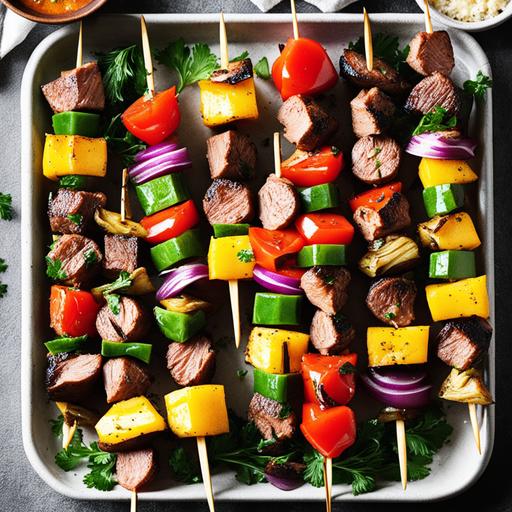
Kabobs are a timeless culinary delight, offering a vibrant combination of marinated proteins, fresh vegetables, and sometimes even fruits, threaded onto skewers and grilled to perfection. Traditionally cooked over an open flame, kabobs can now be conveniently prepared in an air fryer, allowing home cooks to enjoy the same succulent results without the hassle of lighting a grill. Air frying preserves the juiciness of the meat, caramelizes the natural sugars in vegetables, and delivers a crisp exterior, all while reducing excess oil. Whether you’re preparing chicken, beef, lamb, or vegetable kabobs, understanding the nuances of air fryer cooking is essential for achieving that perfect balance of tenderness, flavor, and visual appeal.
Optimal Air Fryer Temperature To Cook Kabobs In Air Fryer
Temperature control is crucial when air frying kabobs. Too low, and your meat will be undercooked and your vegetables limp; too high, and the exterior may burn before the interior is fully cooked. For most kabobs, the ideal temperature range is 375°F to 400°F (190°C to 204°C).
- Chicken Kabobs: Best cooked at 380°F for a balance of crispy edges and juicy centers.
- Beef or Lamb Kabobs: Slightly higher heat, around 400°F, encourages caramelization and browning without drying out the meat.
- Vegetable Kabobs: Can tolerate slightly higher temperatures (400°F), as most vegetables cook quickly and benefit from a charred exterior.
Maintaining this temperature ensures the kabobs cook evenly while retaining moisture and flavor. Some air fryers may have hotspots, so rotating the skewers halfway through cooking can enhance uniformity.
How Long To Cook Kabobs In Air Fryer
Cooking time is closely tied to both the protein choice and the size of the kabob pieces. Here’s a general guideline:
- Chicken Kabobs: 12-15 minutes, flipping halfway.
- Beef Kabobs: 10-14 minutes, depending on desired doneness (medium-rare vs. well-done).
- Lamb Kabobs: 12-15 minutes, similar to chicken.
- Vegetable Kabobs: 8-12 minutes, depending on the density of vegetables.
Cut meat into uniform cubes (around 1 to 1.5 inches) and slice vegetables to similar thickness to ensure consistent cooking. Overcrowding the basket slows cooking and prevents proper browning.
How To Tell If It Is Done
The most reliable way to ensure your kabobs are fully cooked is by checking internal temperature:
- Chicken: 165°F (74°C)
- Beef (medium): 135-145°F (57-63°C)
- Lamb: 145°F (63°C) for medium-rare
- Vegetables: Tender when pierced with a fork; slightly charred edges indicate readiness
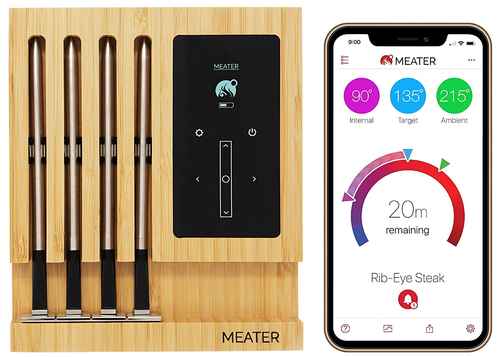
Visual cues also help: chicken should no longer be pink inside, beef should have a caramelized exterior, and vegetables should have golden-brown edges. Always use a meat thermometer for precise results.
Ingredients Needed
For a standard air fryer kabob, you’ll need:
- Proteins: Chicken breast/thigh, beef sirloin, lamb, shrimp, or tofu
- Vegetables: Bell peppers, onions, zucchini, cherry tomatoes, mushrooms
- Marinade: Olive oil, lemon juice, garlic, paprika, cumin, salt, pepper, or your preferred spice blend
- Skewers: Wooden or metal, soaked if wooden
Optional ingredients include pineapple chunks, halloumi cheese, or herbs like rosemary or cilantro to elevate flavor.
How To Cook Kabobs In Air Fryer
- Prep Ingredients: Cut protein and vegetables into uniform cubes. Marinate protein for at least 30 minutes for enhanced flavor.
- Assemble Kabobs: Thread meat and vegetables onto skewers, alternating for color and texture. Avoid overloading skewers to ensure even cooking.
- Preheat Air Fryer: Preheating to 375-400°F ensures immediate cooking and browning.
- Cook: Place kabobs in the air fryer basket in a single layer. Cook for 10-15 minutes, turning halfway.
- Check for Doneness: Use a thermometer for meat, check tenderness for vegetables.
- Serve: Rest for 3-5 minutes before serving to allow juices to redistribute.
What If I Use A Different Air Fryer Temperature?
Lower temperatures (350°F or below) may require longer cooking, resulting in softer, less caramelized exteriors. Higher temperatures (425°F or above) can brown the outside too quickly, potentially leaving the inside undercooked. Adjust cooking time and monitor closely when deviating from the recommended 375-400°F range.
What If I Use A Different Air Fryer Cooking Time?
- Shorter Time: Kabobs may be undercooked or meat could remain raw in the center.
- Longer Time: Risk of drying out meat and overcooking vegetables, causing them to become mushy.
Always prioritize internal temperature over appearance alone; visual cues can be misleading, especially with marinated meats.
When Things Go Wrong
Common mishaps include:
- Uneven cooking: Caused by overcrowding the basket; cook in batches if necessary.
- Burned edges, raw center: Typically due to too high a temperature; reduce heat and extend cooking time.
- Soggy vegetables: May result from excessive moisture in the marinade; pat ingredients dry before skewering.
Keeping these issues in mind allows you to troubleshoot and refine your kabob technique.
Expert Tips
- Rotate Skewers: Halfway through cooking for even browning.
- Use Metal Skewers: Heat conducts through the skewer, cooking meat from the inside out.
- Marinate Wisely: Acidic marinades (lemon, vinegar) should not exceed 2-3 hours for delicate proteins like chicken to avoid mushiness.
- Pat Dry: Excess moisture prevents proper caramelization.
- Let Rest: Allow meat to rest for 3-5 minutes post-cooking to retain juices.
FAQs
What Types Of Kabobs Can I Cook In An Air Fryer?
You can cook a variety of kabobs in an air fryer, including chicken, beef, lamb, shrimp, and vegetable kabobs. Ensure that ingredients are cut into uniform pieces to guarantee even cooking. Marinated kabobs often yield the most flavorful results.
Do I Need To Soak Wooden Skewers Before Using Them In An Air Fryer?
Yes, if using wooden skewers, soak them in water for at least 30 minutes before cooking. This prevents the skewers from burning or catching fire in the air fryer during the cooking process.
What Is The Ideal Temperature And Cooking Time For Kabobs In An Air Fryer?
For most kabobs, preheat your air fryer to 375°F (190°C). Cook chicken kabobs for 12-15 minutes, beef or lamb kabobs for 10-12 minutes, and shrimp kabobs for 6-8 minutes. Flip the kabobs halfway through cooking to ensure even browning.
Should I Brush Kabobs With Oil Before Air Frying?
Yes, lightly brushing or spraying kabobs with oil helps prevent sticking and promotes even browning. Use a high-smoke-point oil, such as olive oil or avocado oil, for best results.
How Do I Prevent Kabobs From Sticking To The Air Fryer Basket?
To prevent sticking, either lightly coat the basket with nonstick spray or line it with perforated parchment paper designed for air fryers. Additionally, ensure the kabobs are not overcrowded to allow proper air circulation.
Can I Cook Frozen Kabobs In An Air Fryer?
Yes, frozen kabobs can be cooked in an air fryer, but the cooking time will be longer. Preheat the air fryer to 375°F (190°C) and cook frozen kabobs for 15-20 minutes, flipping them halfway through. Ensure the internal temperature reaches safe levels for the protein used.
How Can I Check If Kabobs Are Cooked Properly In An Air Fryer?
Check doneness by using a meat thermometer. Chicken should reach 165°F (74°C), beef or lamb should be at least 145°F (63°C) for medium-rare, and shrimp should be opaque and firm. Additionally, visually inspect for a lightly browned exterior.