How To Cook Petite Sirloin Steak In Air Fryer [FULL GUIDE]
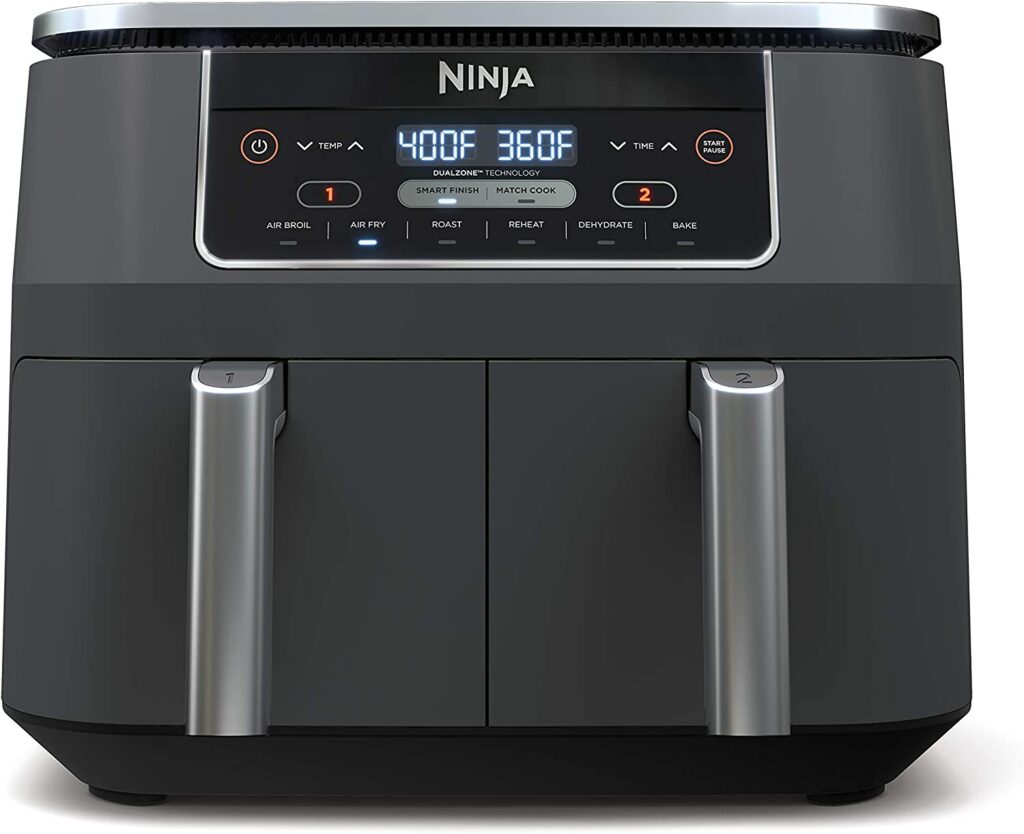
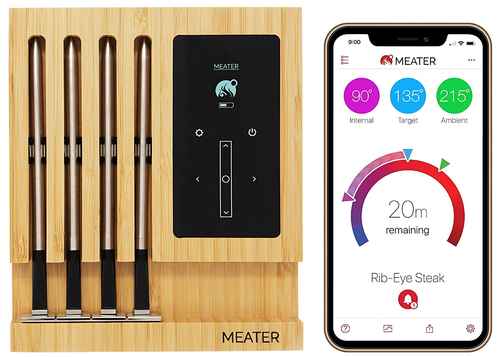
Recommended Equipments:
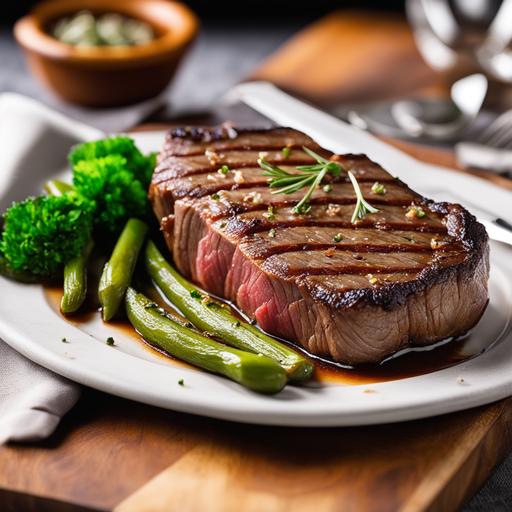
The petite sirloin steak is a cut that perfectly balances tenderness, flavor, and affordability, making it a favorite for home cooks seeking a hearty, juicy steak without the expense of a ribeye or New York strip. Traditionally, sirloin steaks have been cooked on a grill or stovetop, but the air fryer-a compact, high-heat appliance that circulates hot air around food-has revolutionized the way we prepare meats. Using an air fryer allows the steak to develop a beautifully caramelized crust while retaining a tender, juicy interior, all with less oil and mess than conventional methods. This guide will take you step by step through the process of achieving the perfect petite sirloin steak in your air fryer, while providing nuanced insights into temperature control, timing, and troubleshooting.
Optimal Air Fryer Temperature To Cook Petite Sirloin Steak In Air Fryer
Temperature is one of the most critical factors in cooking a steak to perfection. For petite sirloin, the optimal air fryer temperature is 400°F (204°C). At this temperature, the Maillard reaction-the chemical process responsible for browning and developing rich, savory flavors-occurs efficiently, creating a crusty exterior without overcooking the interior.
Cooking at lower temperatures (350°F/177°C) may result in a steak that cooks more evenly but lacks a satisfying seared exterior, while temperatures above 425°F (218°C) risk burning the outside before the inside reaches the desired doneness. Precision is key: an air fryer with an accurate thermometer and preheating function ensures consistent results.
How Long To Cook Petite Sirloin Steak In Air Fryer
Cooking time depends on the steak’s thickness, initial temperature, and desired doneness. For a petite sirloin approximately 1 inch thick, the general guidelines are:
- Rare (120-125°F / 49-52°C): 8-9 minutes
- Medium Rare (130-135°F / 54-57°C): 10-11 minutes
- Medium (140-145°F / 60-63°C): 12-13 minutes
- Medium Well (150-155°F / 66-68°C): 14-15 minutes
- Well Done (160°F+ / 71°C+): 16-18 minutes
Always remember to flip the steak halfway through cooking to ensure even browning on both sides.
How To Tell If It Is Done
Determining doneness is more precise with a meat thermometer than by eye. Insert the thermometer into the center of the steak, avoiding bone or fat. For a more tactile approach, you can use the finger test:
- Rare: soft and squishy
- Medium Rare: slightly firmer with a bit of resistance
- Medium: springy but firm
- Medium Well: very firm with minimal give
- Well Done: extremely firm
Resting the steak for 5-10 minutes after cooking is crucial. During this time, the juices redistribute, preventing the steak from drying out when sliced.
Ingredients Needed
You don’t need a long list of ingredients for a beautifully cooked petite sirloin:
- 1 petite sirloin steak (about 1 inch thick)
- 1-2 tablespoons olive oil (or preferred high-heat oil)
- Salt (preferably kosher or sea salt)
- Freshly ground black pepper
- Optional: garlic powder, smoked paprika, rosemary, or thyme for added flavor
The simplicity of ingredients allows the natural flavor of the beef to shine while still giving room for subtle seasoning enhancements.
How To Cook Petite Sirloin Steak In Air Fryer
- Preheat the Air Fryer: Set to 400°F (204°C) for at least 5 minutes. Preheating ensures immediate searing.
- Prepare the Steak: Pat the steak dry with paper towels. Rub both sides with olive oil, then generously season with salt, pepper, and optional spices.
- Place in Air Fryer Basket: Lay the steak flat, ensuring it doesn’t overlap or touch the basket for optimal air circulation.
- Cook: Air fry for the recommended time based on your desired doneness, flipping halfway through.
- Check Temperature: Use a meat thermometer to confirm internal doneness.
- Rest: Remove steak, cover loosely with foil, and let rest 5-10 minutes.
- Serve: Slice against the grain and enjoy with your favorite sides.
What If I Use A Different Air Fryer Temperature?
Altering the temperature can impact texture and juiciness:
- Lower Temperatures (350-375°F / 177-190°C): Longer cooking times with less crust development. The interior may cook more evenly, but you sacrifice the seared exterior.
- Higher Temperatures (425-450°F / 218-232°C): Faster crust formation, but increased risk of overcooking or uneven doneness inside, especially for thicker cuts.
Adjusting time becomes essential if you change temperature. Lower temperature = longer cook; higher temperature = shorter cook.
What If I Use A Different Air Fryer Cooking Time?
Time deviations affect doneness and juiciness:
- Shorter Time: The steak may be undercooked and cool inside. Perfect for rare lovers but risky if not monitored.
- Longer Time: You risk a dry, tough steak, especially since petite sirloin is leaner than cuts like ribeye.
Always rely on a meat thermometer rather than guesswork, especially when deviating from recommended cooking times.
When Things Go Wrong
Even with precise methods, mistakes can occur:
- Steak is too dry: Likely overcooked. Resting helps, but leaner cuts like petite sirloin have a narrow window for juiciness. Next time, reduce cook time slightly or sear at a higher temperature for less time.
- Uneven cooking: Could be due to overcrowding or not flipping. Ensure single-layer placement and consistent flipping.
- No crust formation: Possibly due to low temperature or wet surface. Always pat dry and preheat the air fryer.
Expert Tips
- Pat Dry: Moisture is the enemy of a good sear.
- Let the Steak Come to Room Temperature: 20-30 minutes outside the fridge reduces uneven cooking.
- Oil and Season Right Before Cooking: Prevents salt from drawing out moisture prematurely.
- Use a Meat Thermometer: Accuracy is key-eyeballing rarely works for lean cuts.
- Rest Before Slicing: Prevents juice loss and enhances tenderness.
- Experiment with Seasoning: Simple salt and pepper work wonders, but garlic, rosemary, or smoked paprika elevate flavor.
FAQs
What Temperature Should I Set My Air Fryer For Cooking Petite Sirloin Steak?
For cooking petite sirloin steak in an air fryer, set the temperature to 400°F (204°C). This temperature allows the steak to sear properly while cooking evenly inside, producing a tender and juicy result.
How Long Should I Cook Petite Sirloin Steak In An Air Fryer?
The cooking time depends on the thickness of the steak and your preferred doneness. For a 1-inch thick steak, cook for 10-12 minutes for medium-rare, 12-14 minutes for medium, and 14-16 minutes for medium-well, flipping halfway through cooking.
Do I Need To Preheat The Air Fryer Before Cooking Petite Sirloin Steak?
Yes, preheating the air fryer is recommended. Preheat at 400°F (204°C) for 3-5 minutes. This ensures the steak starts cooking immediately at the right temperature, promoting a better sear and more even cooking.
Should I Season The Petite Sirloin Steak Before Air Frying?
Absolutely. Lightly coat the steak with olive oil, then season with salt, pepper, and optional spices or herbs. Seasoning before cooking enhances flavor and creates a more appealing crust.
Do I Need To Flip The Steak While Cooking In An Air Fryer?
Yes, flipping the steak halfway through the cooking process ensures even browning and cooking on both sides. This is particularly important in an air fryer since hot air circulates primarily from the top and sides.
How Can I Tell When The Petite Sirloin Steak Is Done Without Cutting It Open?
Use a meat thermometer for accuracy. For medium-rare, the internal temperature should reach 130-135°F (54-57°C); medium is 140-145°F (60-63°C); medium-well is 150-155°F (65-68°C). This prevents overcooking and keeps the steak tender.
Should I Let The Petite Sirloin Steak Rest After Air Frying?
Yes, let the steak rest for 5-10 minutes after cooking. Resting allows the juices to redistribute throughout the meat, resulting in a juicier and more flavorful steak.