
How To Cook Potato Logs In Air Fryer [FULL GUIDE]
Recommended Equipments:
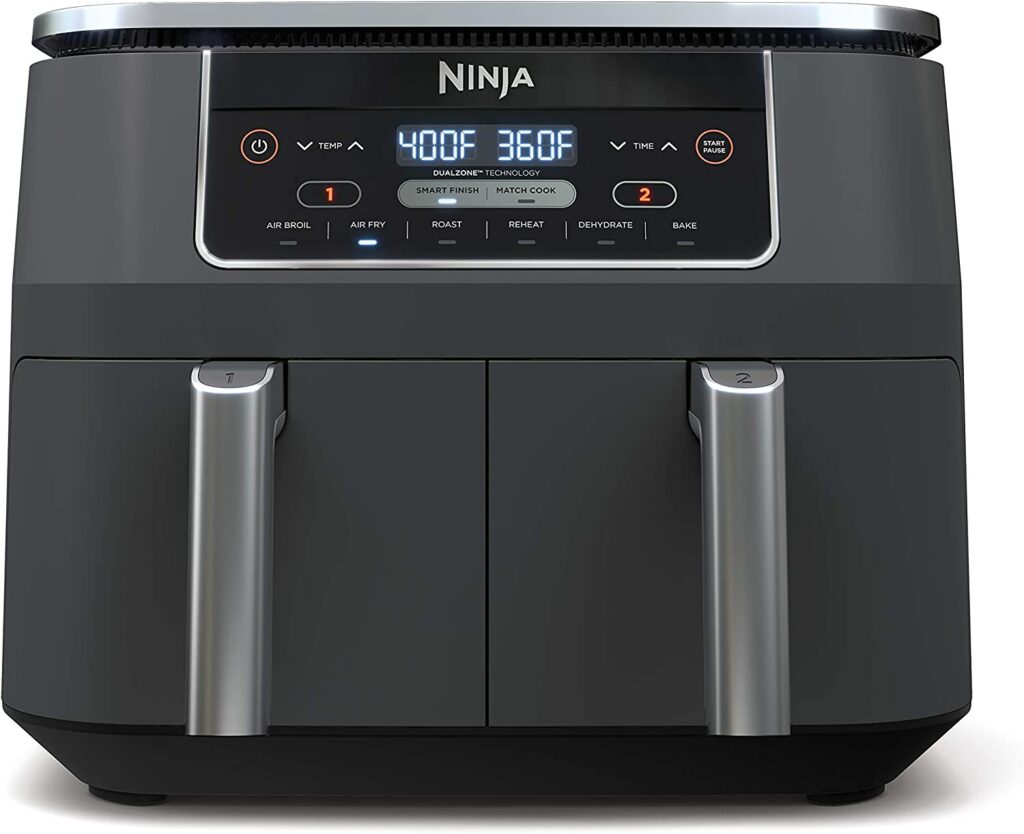

Potato logs, with their golden-brown exterior and soft, creamy interior, have become a beloved snack or side dish in many households. They combine the comforting taste of perfectly cooked potatoes with the convenience of an easy-to-handle finger food. While traditionally deep-fried, air fryers have revolutionized the way we prepare potato logs, delivering the crispy texture of frying with significantly less oil. Cooking potato logs in an air fryer not only reduces calories and fat but also creates a faster, cleaner cooking process. Understanding the nuances of temperature, timing, and technique is essential to achieving that ideal crunch without sacrificing the fluffy interior.
Optimal Air Fryer Temperature To Cook Potato Logs In Air Fryer
Temperature plays a critical role in cooking potato logs perfectly. The ideal temperature for most air fryers is around 400°F (204°C). This temperature strikes a balance between achieving a crispy, golden exterior while ensuring the inside cooks through evenly. Lower temperatures, such as 350°F (177°C), may cook the interior too slowly, leaving the exterior pale and soft. Conversely, higher temperatures above 425°F (218°C) can burn the outer layer before the interior has had time to fully soften.
It’s important to preheat your air fryer. Many models require 3-5 minutes to reach the desired temperature, which helps ensure the logs begin cooking immediately upon placement, promoting even browning.
How Long To Cook Potato Logs In Air Fryer
The cooking time for potato logs is generally 15-20 minutes, depending on their size, thickness, and your specific air fryer model. For standard-sized logs (about 3 inches long and 1 inch thick), start with 16 minutes, flipping halfway through to guarantee even cooking. Thicker logs may require closer to 20 minutes, while thinner logs might be done in 12-14 minutes.
Cooking in batches may also affect timing. Overcrowding the basket reduces airflow, leading to uneven cooking and less crispiness.
How To Tell If It Is Done
The perfect potato log should have:
- A golden-brown exterior that is crisp but not burnt.
- A soft, fluffy interior that yields slightly when pressed.
- A fork or toothpick test will confirm doneness: Insert it into the center-if it slides in easily, the logs are cooked through.
Avoid relying solely on color, as some varieties of potatoes brown faster than others. Always check texture as the final indicator.
Ingredients Needed
To prepare potato logs in an air fryer, you will need:
- 2-3 medium-sized potatoes (Russet or Yukon Gold work best)
- 1-2 tablespoons vegetable oil or olive oil
- Salt, to taste
- Optional spices: paprika, garlic powder, onion powder, black pepper, or cayenne for a spicy kick
These simple ingredients are all it takes to achieve the classic golden, crispy result.
How To Cook Potato Logs In Air Fryer
- Prepare the potatoes: Peel them if desired, then cut into uniform logs (approximately 3 inches long and 1 inch thick).
- Season: Toss the potato logs in a bowl with oil and your choice of seasonings. Make sure each log is evenly coated.
- Preheat the air fryer: 400°F (204°C) for 3-5 minutes.
- Arrange in basket: Place potato logs in a single layer with space between them for airflow.
- Cook: Air fry at 400°F (204°C) for 15-20 minutes, flipping halfway through for even crisping.
- Check doneness: Use a fork or toothpick to test the center and ensure a soft interior.
- Serve immediately: Enjoy hot for the best texture.
What If I Use A Different Air Fryer Temperature?
Adjusting the temperature can affect both texture and cooking time:
- Lower temperatures (350-375°F / 177-190°C): Results in less crispy exteriors but may produce a creamier interior. Extend cooking time slightly.
- Higher temperatures (425-450°F / 218-232°C): Creates a darker, crunchier crust but risks burning the outside while leaving the inside undercooked. Reduce cooking time and monitor closely.
Consistency and frequent checking are key if you experiment with temperature.
What If I Use A Different Air Fryer Cooking Time?
Cooking time adjustments affect doneness and crispiness:
- Shorter time: Logs may appear golden but remain undercooked inside. Always check texture.
- Longer time: Results in overly hard, dry interiors or burnt exteriors. Flip halfway to prevent uneven browning.
Small incremental changes (1-2 minutes) are safer than large adjustments.
When Things Go Wrong
Common issues and fixes:
- Soggy logs: Often caused by overcrowding or insufficient preheating. Cook in batches and shake or flip halfway.
- Burnt exterior: Temperature too high or cooking too long. Reduce heat slightly or shorten time.
- Undercooked interior: Logs too thick or air fryer not preheated. Slice more evenly and ensure preheating.
- Uneven browning: Flip or shake halfway through cooking for uniform results.
Expert Tips
- Soak the logs in water for 15-30 minutes before air frying to remove excess starch, which enhances crispiness.
- Pat dry after soaking to prevent steaming instead of frying.
- Lightly coat with oil; too much oil can make them greasy, too little reduces crispiness.
- Experiment with seasonings: Smoked paprika, garlic salt, or Parmesan can elevate simple potato logs.
- Serve immediately: Potato logs lose their crunch as they cool.
FAQs
What Are Potato Logs And How Are They Different From Regular Fries?
Potato logs are thick, cylindrical pieces of potato, usually coated with seasoning or a light batter. Unlike regular fries, which are thinner and have more surface area for crispiness, potato logs have a soft, fluffy interior with a crisp outer layer when cooked in an air fryer.
Do I Need To Thaw Frozen Potato Logs Before Air Frying?
No, most frozen potato logs can be cooked directly from frozen. Thawing is optional and may slightly reduce cooking time, but cooking them frozen ensures they retain their shape and achieve a crisp exterior.
What Temperature And Time Are Recommended For Cooking Potato Logs In An Air Fryer?
A common recommendation is to cook potato logs at 400°F (200°C) for 15-20 minutes. Shake or turn them halfway through cooking to ensure even browning and crispiness. Cooking times may vary slightly based on air fryer model and potato log size.
Should I Use Oil When Cooking Potato Logs In An Air Fryer?
Lightly brushing or spraying potato logs with oil can enhance browning and crispiness, but it is not strictly necessary if the potato logs are pre-oiled or coated. Excessive oil is not recommended, as the air fryer can achieve crispiness with minimal fat.
How Can I Prevent Potato Logs From Sticking To The Air Fryer Basket?
To prevent sticking, lightly coat the basket with oil spray or use parchment paper designed for air fryers. Avoid overcrowding the basket, as this can reduce airflow and cause uneven cooking.
Can I Season Potato Logs Before Air Frying, And Which Seasonings Work Best?
Yes, potato logs can be seasoned before air frying. Common seasonings include salt, pepper, garlic powder, paprika, or a blend of herbs. Tossing the potato logs in seasoning with a small amount of oil helps the flavors adhere and enhances crispiness.
How Do I Know When Potato Logs Are Fully Cooked In The Air Fryer?
Potato logs are done when they are golden brown on the outside and soft inside. You can check by inserting a fork; it should slide in easily. The exterior should be crispy, while the interior remains fluffy and tender.