How To Cook Prime Rib In Air Fryer [FULL GUIDE]
Recommended Equipments:
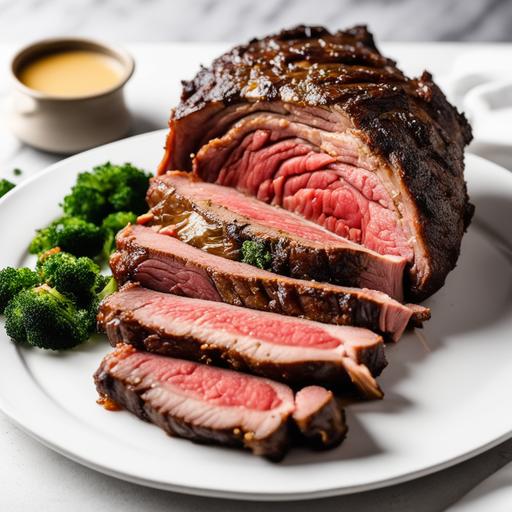
Prime rib is often celebrated as the crown jewel of beef cuts, renowned for its rich marbling, tenderness, and unparalleled flavor. Traditionally reserved for oven roasting during holidays or special occasions, this luxurious cut can also be cooked perfectly in an air fryer, offering a faster, more convenient approach without compromising taste. Cooking prime rib in an air fryer allows for a crisp, golden-brown crust while keeping the interior succulent and juicy. The trick lies in understanding the precise temperature, timing, and preparation techniques to transform a simple cut of beef into a restaurant-quality masterpiece. Whether you are an experienced home chef or a curious novice, mastering prime rib in an air fryer opens up a new world of culinary possibilities.
Optimal Air Fryer Temperature To Cook Prime Rib In Air Fryer
Air fryers work by circulating hot air around the food at high speeds, creating a crispy outer layer while cooking the inside evenly. For prime rib, the optimal temperature is crucial to achieving the perfect balance of a browned crust and tender, medium-rare interior.
- Ideal Temperature: 375°F (190°C) is generally considered ideal for prime rib in an air fryer. This temperature is high enough to sear the outer layer and create the signature crust but not so high as to overcook the center too quickly.
- Alternative Temperatures: Some chefs prefer starting at a higher temperature, like 400°F (205°C), for 10 minutes to sear, then lowering to 325°F (163°C) to finish cooking. This reverse sear approach in an air fryer mimics traditional oven roasting but significantly reduces cooking time.
Temperature control is critical because prime rib is a thick, dense cut of meat, and uneven heat can easily result in overdone edges or undercooked centers.
How Long To Cook Prime Rib In Air Fryer
Cooking time varies depending on the weight, thickness, and desired doneness of the prime rib. For a standard 2-4 pound roast:
- Medium-Rare (130-135°F / 54-57°C): Approximately 15-20 minutes per pound at 375°F.
- Medium (135-145°F / 57-63°C): Around 20-25 minutes per pound at 375°F.
- Medium-Well (145-155°F / 63-68°C): Roughly 25-30 minutes per pound at 375°F.
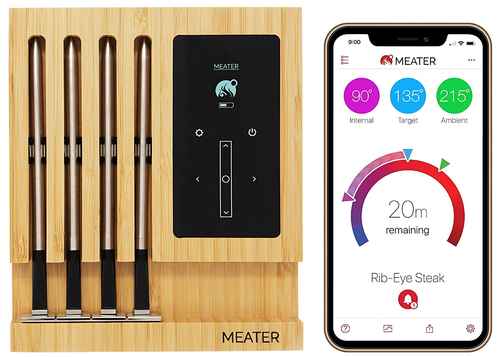
It’s important to note that air fryers vary in intensity, so using an internal meat thermometer is the most reliable method to ensure perfect doneness.
How To Tell If It Is Done
Determining doneness is essential to achieving the perfect prime rib:
-
Internal Temperature: The gold standard is using a digital meat thermometer. Insert it into the thickest part of the roast:
- Rare: 120-125°F
- Medium-Rare: 130-135°F
- Medium: 135-145°F
- Medium-Well: 145-155°F
- Visual Cues: A well-cooked prime rib should have a deep golden-brown crust and juices that run clear. Slightly pink juices indicate medium-rare perfection.
- Touch Test: With experience, you can gently press the meat: soft and springy indicates rare, firmer but yielding signals medium, and very firm denotes well-done.
Ingredients Needed
To cook a prime rib in an air fryer, you need simple yet high-quality ingredients:
- Prime Rib Roast: 2-4 pounds, preferably bone-in for added flavor.
- Olive Oil or Melted Butter: To coat the roast and promote browning.
- Salt and Pepper: Generously applied for seasoning.
- Garlic Powder, Onion Powder, or Herbs (Optional): Rosemary, thyme, and crushed garlic elevate flavor.
- Beef Broth or Water (Optional): To add moisture to the air fryer pan if desired.
The secret to prime rib is minimal but precise seasoning; the meat itself should shine.
How To Cook Prime Rib In Air Fryer
-
Preparation
Remove the prime rib from the refrigerator at least 30-60 minutes before cooking to allow it to reach room temperature. Pat dry with paper towels.
-
Seasoning
Rub the roast with olive oil or butter, then generously season with salt, pepper, and optional herbs. Ensure all sides are coated.
-
Preheating
Preheat the air fryer to 375°F (190°C) for 5-10 minutes.
-
Cooking
Place the prime rib in the air fryer basket, fat side up, ensuring space around the roast for air circulation. Cook for the recommended time based on weight and desired doneness.
-
Monitoring
Check the internal temperature halfway through cooking to prevent overcooking.
-
Resting
Remove the roast and let it rest for 15-20 minutes before slicing. Resting allows juices to redistribute, resulting in a moist and flavorful prime rib.
What If I Use A Different Air Fryer Temperature?
Altering the temperature can affect the crust and doneness:
- Higher Temperature (400-425°F): Will create a more pronounced crust but risks overcooking the interior quickly. Ideal if you plan to reduce cooking time slightly and monitor closely.
- Lower Temperature (325-350°F): Slower cooking preserves juiciness and tenderness but may yield a less crispy exterior. Best used for thicker roasts where even cooking is preferred.
The key is balance-higher temperatures need shorter times, lower temperatures need longer times.
What If I Use A Different Air Fryer Cooking Time?
Adjusting cooking time directly impacts doneness:
- Shorter Time: The meat may remain undercooked or too rare; only attempt if you plan to finish with a higher heat sear.
- Longer Time: The roast may overcook, especially the outer layers, becoming dry and less tender.
Using an internal thermometer is essential when deviating from standard timings.
When Things Go Wrong
Even with careful attention, mistakes can happen:
- Overcooked Meat: Slice thinly and serve with au jus or a sauce to mask dryness.
- Undercooked Meat: Return to the air fryer in short increments, monitoring closely.
- Uneven Cooking: Rotate the roast halfway through cooking to ensure even heat exposure.
Remember, air fryers vary by brand and model, so small adjustments are often necessary.
Expert Tips
- Use a Meat Thermometer: Invaluable for precision and avoiding guesswork.
- Season Ahead: Rub salt and herbs on the roast a few hours before cooking to enhance flavor.
- Air Fryer Size: Ensure your prime rib fits comfortably in the basket; overcrowding prevents proper air circulation.
- Rest Before Slicing: Never skip resting; it transforms a good roast into an exceptional one.
- Bone-In for Flavor: The bone helps conduct heat evenly and adds depth to the taste.
FAQs
What Is The Best Size Of Prime Rib For Air Fryer Cooking?
For most standard air fryers, a prime rib roast of 2 to 4 pounds is ideal. This size ensures even cooking and allows the hot circulating air to properly crisp the exterior while keeping the interior juicy. Larger roasts may not fit or cook evenly in a typical countertop air fryer.
Should I Season The Prime Rib Before Cooking In The Air Fryer?
Yes. Seasoning is essential to enhance flavor and create a crust. Use a mix of salt, black pepper, garlic powder, and herbs like rosemary or thyme. Apply the seasoning generously to all sides of the roast and allow it to rest at room temperature for 30 to 60 minutes before cooking.
What Temperature And Cooking Time Should I Use For Air Fryer Prime Rib?
Preheat the air fryer to 400°F (204°C) for searing the exterior. Cook the prime rib at this temperature for 10-15 minutes to develop a crust, then reduce the temperature to 325°F (163°C) and continue cooking until the internal temperature reaches your desired doneness: 120-125°F for rare, 130-135°F for medium-rare, and 140-145°F for medium. Cooking times vary based on roast size and air fryer model.
How Do I Ensure The Prime Rib Is Cooked Evenly In The Air Fryer?
Use a meat thermometer to monitor internal temperature accurately. Additionally, allowing the roast to come to room temperature before cooking helps even cooking. For very thick roasts, you can rotate or flip the meat halfway through the cooking process to prevent uneven browning.
Do I Need To Cover The Prime Rib While Cooking In The Air Fryer?
No, covering the roast is generally not necessary. The circulating hot air in an air fryer creates a natural browning effect on the exterior. Covering it may trap steam, preventing the crust from forming. However, if the exterior is browning too quickly, loosely tenting with foil can help.
Should I Rest The Prime Rib After Cooking In The Air Fryer?
Absolutely. Resting the roast for 15-20 minutes after cooking allows the juices to redistribute, resulting in a more tender and flavorful meat. Keep the roast loosely tented with foil during resting to retain warmth.
Can I Make A Sauce Or Au Jus Directly In The Air Fryer?
The air fryer is not ideal for making sauces directly because it doesn’t collect drippings efficiently. Instead, remove the prime rib, place it on a cutting board, and use the pan drippings or reserved fat to make a sauce or au jus on the stovetop. Deglaze with beef broth, wine, or a combination of both for best results.