
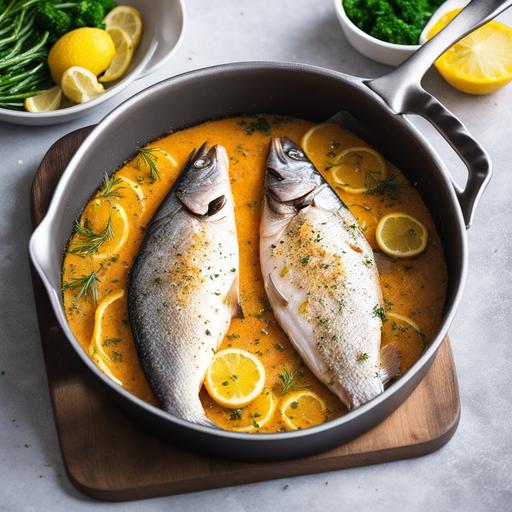
How To Cook Raw Fish In Air Fryer [FULL GUIDE]
Recommended Equipments:
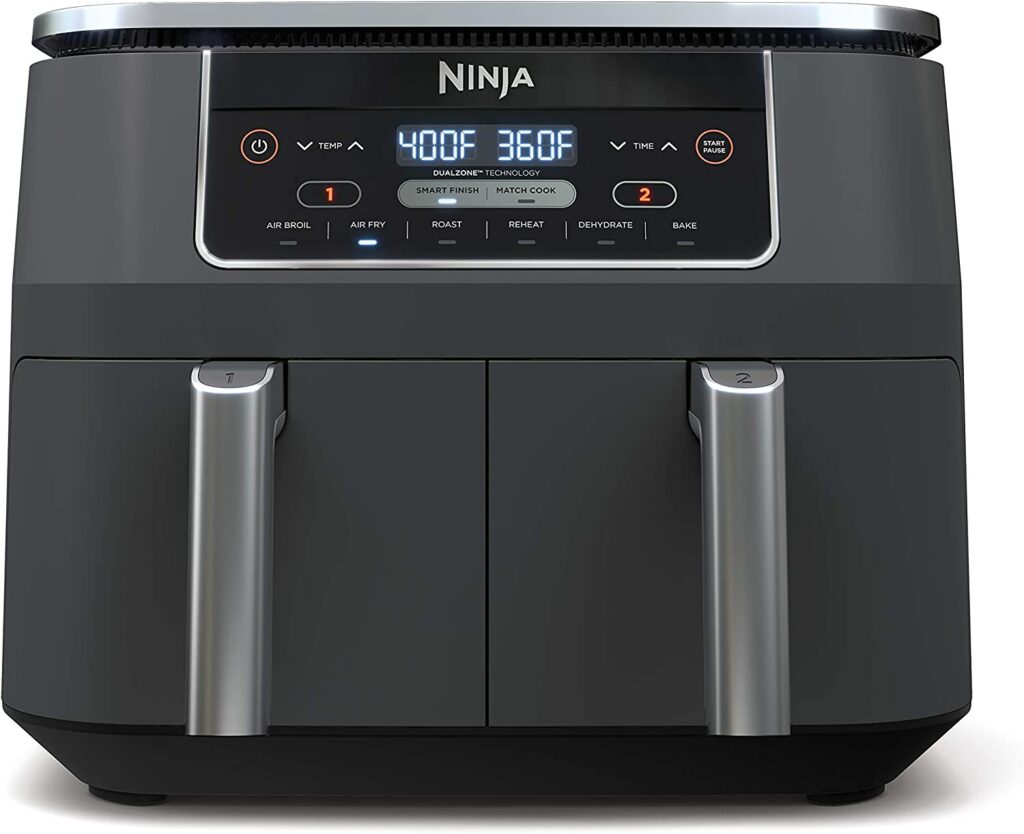
Air fryers have revolutionized home cooking, offering a fast, convenient, and healthier alternative to traditional frying. Among the many foods that benefit from air frying, fish is a standout. Delicate, flavorful, and packed with nutrients like omega-3 fatty acids, fish can be tricky to cook properly-overcooking can dry it out, while undercooking can leave it raw and unsafe. An air fryer’s circulating hot air allows you to achieve a perfectly cooked piece of fish with a crispy exterior and moist interior without the need for excess oil. However, mastering the technique requires understanding temperature control, timing, and preparation nuances. This guide dives deep into everything you need to know to cook raw fish in an air fryer successfully.
Optimal Air Fryer Temperature To Cook Raw Fish In Air Fryer
The ideal air fryer temperature for cooking raw fish generally falls between 350°F (175°C) and 400°F (205°C). The exact temperature depends on the thickness and type of fish:
- Delicate fish fillets (like cod, tilapia, or sole): 350-375°F (175-190°C). These thinner fillets require moderate heat to cook through without breaking apart.
- Thicker fish cuts (like salmon, swordfish, or tuna steaks): 375-400°F (190-205°C). Higher temperatures create a nicely seared exterior while ensuring the center cooks evenly.
Maintaining a steady, appropriate temperature is crucial; too high, and the fish dries or burns; too low, and it may remain undercooked. Preheating your air fryer for 3-5 minutes ensures an even cooking environment, helping the fish cook consistently.
How Long To Cook Raw Fish In Air Fryer
Cooking times vary based on the thickness, type of fish, and air fryer model, but here are general guidelines:
- Thin fillets (½ inch thick): 8-10 minutes
- Medium fillets (1 inch thick): 10-12 minutes
- Thick fillets or steaks (1.5-2 inches): 12-15 minutes
For best results, it’s recommended to flip the fish halfway through the cooking time. This ensures uniform browning and prevents one side from overcooking while the other remains underdone.
How To Tell If It Is Done
Determining doneness is critical for both safety and flavor. Key indicators include:
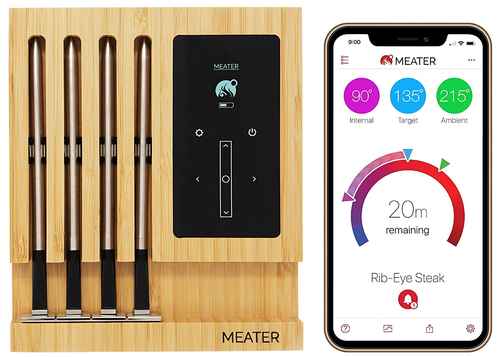
- Internal temperature: Use a digital thermometer; fish is fully cooked at 145°F (63°C).
- Flakiness: Gently insert a fork and twist-fish should flake easily along natural lines.
- Opaque color: Raw fish is translucent; cooked fish becomes opaque throughout.
- Firm texture: Press lightly with a fork or finger; cooked fish should spring back slightly but not feel mushy.
Relying solely on time can be misleading due to variations in fillet thickness and air fryer models, so always check visual and physical cues.
Ingredients Needed
For a simple and flavorful air-fried fish, you’ll need:
- 2-4 raw fish fillets (salmon, cod, tilapia, or your choice)
- 1-2 tablespoons olive oil or cooking spray
- Salt and pepper, to taste
- Optional seasonings: garlic powder, paprika, lemon zest, dried herbs (thyme, parsley, dill)
- Optional garnish: fresh lemon wedges, fresh herbs
You can also prepare a light breading or marinade if desired, but even a simple seasoned fillet works beautifully in the air fryer.
How To Cook Raw Fish In Air Fryer
- Preheat the air fryer to your target temperature (usually 375°F).
- Prepare the fish: Pat the fillets dry with a paper towel. Lightly coat with olive oil or spray, then season evenly.
- Arrange in the air fryer basket: Place fish in a single layer without overlapping to ensure proper air circulation.
- Cook: Air fry for 8-12 minutes (depending on thickness), flipping halfway.
- Check doneness: Use a fork and thermometer to confirm the fish is cooked through.
- Serve immediately: Garnish with lemon wedges or fresh herbs for added flavor.
What If I Use A Different Air Fryer Temperature?
- Lower temperatures (<350°F / 175°C): Fish will cook more slowly, which can lead to a less crispy exterior but more even moisture retention. You may need to increase cooking time by 2-5 minutes.
- Higher temperatures (>400°F / 205°C): The fish exterior may crisp too quickly while the interior remains undercooked. This method is riskier and requires close monitoring.
Temperature adjustments are useful for personal preference but require careful attention to avoid overcooking or undercooking.
What If I Use A Different Air Fryer Cooking Time?
- Shorter cooking time: Fish may remain raw in the center, posing a safety risk. Check thickness carefully before cutting into it.
- Longer cooking time: Fish will become dry and lose its delicate texture, especially thin fillets. Thicker cuts tolerate longer cooking better, but timing should always align with the internal temperature guideline of 145°F (63°C).
When Things Go Wrong
Common mishaps include:
- Dry fish: Usually from overcooking or too high temperature. Solution: reduce temperature or time next attempt, and consider lightly oiling the fish.
- Fish sticking to basket: Use parchment paper or lightly oil the basket; ensure fish is dry before cooking.
- Uneven cooking: Avoid overcrowding the basket; flip halfway through cooking.
- Fish falling apart: Handle delicate fillets gently and consider cooking at slightly lower heat to maintain structure.
Even experienced cooks encounter these issues; adjusting technique and timing is part of the learning curve.
Expert Tips
- Pat dry before cooking: Excess moisture prevents browning.
- Preheat the air fryer: Ensures consistent cooking.
- Thinly coat with oil: Promotes crispiness without deep frying.
- Don’t overcrowd the basket: Air circulation is crucial.
- Use a thermometer: Guarantees safe cooking without guesswork.
- Experiment with seasoning: Citrus, herbs, and spices elevate flavor without added calories.
- Rest briefly before serving: Allows juices to redistribute for a moist bite.
FAQs
What Types Of Fish Are Best Suited For Air Frying?
Firm, white-fleshed fish such as cod, tilapia, haddock, and halibut are ideal for air frying because they hold their shape well during cooking. Salmon and trout can also be used, but oily fish may require shorter cooking times to prevent overcooking.
Do I Need To Thaw Frozen Fish Before Air Frying?
Yes, it is recommended to fully thaw frozen fish before air frying to ensure even cooking. Cooking fish from frozen can result in uneven textures, with the outside overcooked while the inside remains undercooked.
Should I Season Or Marinate The Fish Before Air Frying?
Yes, seasoning or marinating enhances flavor and can help retain moisture. Simple options include olive oil, lemon juice, garlic, herbs, and spices. For a crisper exterior, lightly coat the fish with flour, breadcrumbs, or panko.
What Temperature And Cooking Time Should I Use?
Most fish fillets cook well in an air fryer at 350-400°F (175-200°C) for 8-12 minutes, depending on thickness. Thicker fillets may need an extra 2-3 minutes, and it is recommended to check for doneness by ensuring the fish flakes easily with a fork.
Do I Need To Preheat The Air Fryer Before Cooking Fish?
Preheating the air fryer is recommended for more even cooking and to help achieve a crisp exterior. Typically, preheating for 3-5 minutes at the desired cooking temperature is sufficient.
How Do I Prevent The Fish From Sticking To The Air Fryer Basket?
Lightly coat the basket with cooking spray or brush a thin layer of oil on the fish. You can also place a perforated parchment paper liner designed for air fryers to prevent sticking while allowing proper airflow.
Can I Cook Breaded And Battered Fish In An Air Fryer?
Yes, breaded or battered fish can be cooked in an air fryer. Use a light coating of breadcrumbs or panko and a minimal amount of oil to achieve a crispy texture. Thick batters may drip and create a mess, so lightly dusting the fish is preferable.