
How To Cook Spaghetti Squash In Air Fryer [FULL GUIDE]
Recommended Equipments:
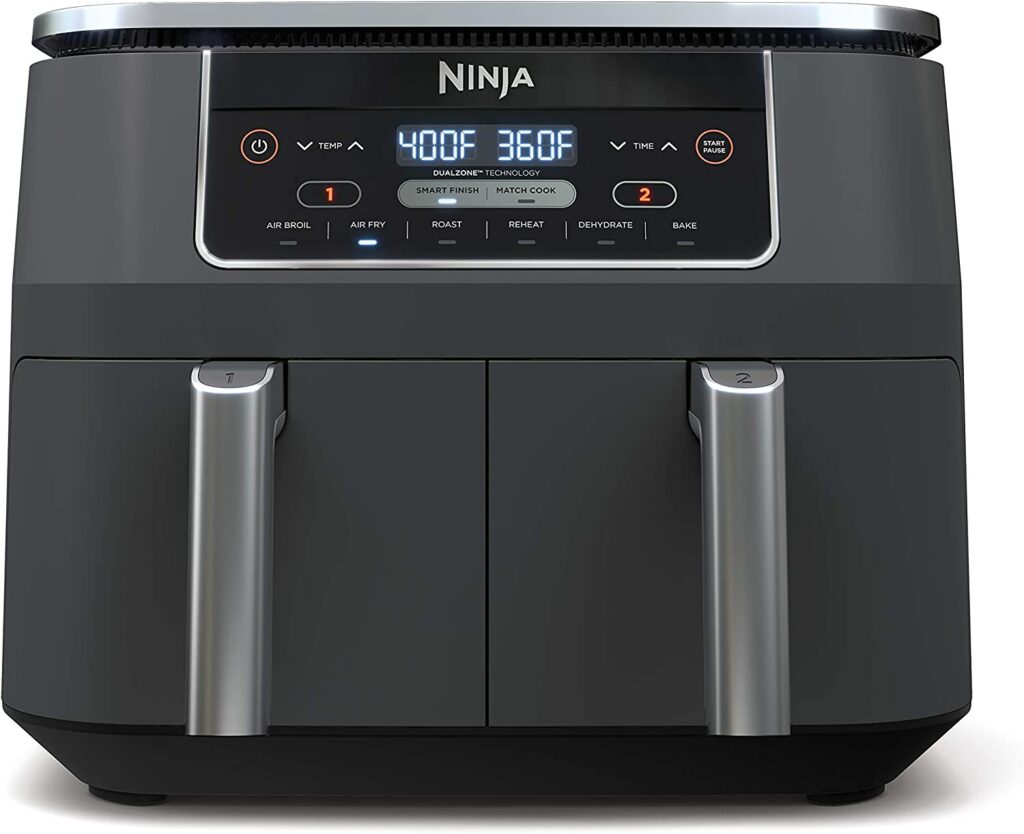
Spaghetti squash is a versatile, nutrient-packed vegetable that serves as a low-carb alternative to traditional pasta. Its stringy flesh, which naturally separates into spaghetti-like strands when cooked, makes it an ideal choice for a variety of dishes-from hearty pasta sauces to light stir-fries. Traditionally, cooking spaghetti squash involves roasting or boiling, both of which can take considerable time or dilute its flavor. Enter the air fryer-a kitchen innovation that promises a faster, evenly cooked, and caramelized result with minimal effort. Using an air fryer allows the squash to retain its subtle sweetness while achieving a tender texture, creating a culinary experience that is both convenient and satisfying.
Optimal Air Fryer Temperature To Cook Spaghetti Squash In Air Fryer
Temperature plays a pivotal role in how the squash cooks. Air fryers circulate hot air, which creates a crisp exterior and tender interior, but the temperature must be balanced to avoid overcooking or drying out the flesh. The optimal temperature for cooking spaghetti squash is 375°F (190°C). This setting is hot enough to break down the fibrous strands and soften the flesh evenly, yet gentle enough to prevent burning the outer skin. Temperatures lower than 350°F may slow the cooking process and produce unevenly cooked squash, while temperatures above 400°F risk charring the skin before the interior is fully tender.
How Long To Cook Spaghetti Squash In Air Fryer
Cooking time depends primarily on the size of the squash. On average:
- Small spaghetti squash (2-3 pounds): 20-25 minutes
- Medium spaghetti squash (3-4 pounds): 25-30 minutes
- Large spaghetti squash (4+ pounds): 30-35 minutes
It’s crucial to flip the squash halfway through cooking to ensure uniform heat distribution. Smaller squashes may cook faster, while exceptionally large ones might require an additional 5-10 minutes. Unlike traditional oven roasting, the air fryer’s rapid circulation can reduce cooking time by 20-30%, making it a practical choice for weeknight dinners.
How To Tell If It Is Done
There are a few reliable indicators:
- Tenderness: Insert a fork into the flesh. If it glides through easily, the squash is ready. Resistance indicates additional cooking is needed.
- String Formation: Properly cooked spaghetti squash should naturally separate into long, spaghetti-like strands when scraped with a fork.
- Color and Aroma: The skin should appear lightly browned and slightly caramelized, and a subtle sweet aroma will waft from the squash.
Avoid overcooking, as mushy strands will compromise the texture and make it less suitable as a pasta substitute.
Ingredients Needed
Cooking spaghetti squash in the air fryer is simple and requires minimal ingredients:
- 1 medium to large spaghetti squash
- 1-2 teaspoons of olive oil (optional, for coating the skin)
- Salt and pepper, to taste
- Optional: garlic powder, paprika, or herbs for extra flavor
No water or pre-cooking is required-air frying locks in natural moisture and sweetness.
How To Cook Spaghetti Squash In Air Fryer
- Prepare the squash: Cut the spaghetti squash in half lengthwise. Scoop out the seeds and discard (or roast separately for a snack).
- Season: Lightly brush the flesh and skin with olive oil. Sprinkle with salt, pepper, or any desired seasonings.
- Preheat the air fryer: Set to 375°F (190°C) for even cooking.
- Place squash in the basket: Cut-side down for initial roasting, which encourages caramelization of the outer shell.
- Cook and flip: Air fry for 12-15 minutes, flip, and cook for another 12-15 minutes, adjusting for size.
- Check for doneness: Use a fork to test tenderness and strand separation.
- Scrape and serve: Use a fork to gently separate the flesh into spaghetti-like strands. Add sauces or toppings as desired.
What If I Use A Different Air Fryer Temperature?
Adjusting the temperature alters cooking outcomes:
- Lower than 350°F: Slower cooking, potentially uneven texture, but reduced risk of burning.
- Above 400°F: Faster caramelization, but higher risk of burnt edges and uneven cooking. If using higher temperatures, monitor closely and consider shortening cook time by 5-10 minutes.
Temperature adjustments require careful timing to avoid overcooked or undercooked squash.
What If I Use A Different Air Fryer Cooking Time?
Cooking time affects texture and moisture:
- Shorter time: Squash may be undercooked, resulting in tough strands.
- Longer time: Can lead to mushy, overly dry flesh and potentially burnt edges.
Always check halfway and test with a fork to ensure the squash is not under or overcooked. Air fryers vary, so personal adjustment is often necessary.
When Things Go Wrong
Common issues include:
- Undercooked squash: Flesh is still firm; solution-return to the air fryer for 5-10 more minutes.
- Overcooked or mushy strands: Result of excessive heat or time; reduce temperature and adjust time next attempt.
- Uneven cooking: Often due to uneven squash size or failure to flip; ensure halves are similar in size and rotate halfway.
- Dry or bitter flavor: Can occur if skin is scorched; lightly oiling the squash helps prevent this.
Keeping notes on your air fryer’s performance can help perfect your timing and temperature.
Expert Tips
- Uniform halves: Cutting the squash evenly ensures consistent cooking.
- Brush with oil: Adds flavor and helps caramelization.
- Flip halfway: Ensures even browning and tenderness.
- Season after cooking: To avoid moisture loss, some chefs prefer seasoning after scraping strands.
- Use preheating: Preheating the air fryer can prevent prolonged cooking times.
- Experiment with toppings: Parmesan, herbs, or a drizzle of olive oil elevate flavor without masking the natural sweetness.
FAQs
How Do I Prepare Spaghetti Squash For The Air Fryer?
Start by washing the spaghetti squash thoroughly. Cut it in half lengthwise using a sharp knife. Remove the seeds and stringy pulp with a spoon. Optionally, brush the inside with olive oil and season with salt, pepper, or other spices before cooking.
What Temperature Should I Set My Air Fryer For Spaghetti Squash?
Preheat your air fryer to 375°F (190°C). This temperature allows the squash to cook evenly while caramelizing slightly on the edges without burning.
How Long Does It Take To Cook Spaghetti Squash In An Air Fryer?
Cooking time typically ranges from 20 to 30 minutes, depending on the size of the squash and the air fryer model. Check for doneness by inserting a fork into the flesh; it should be tender and easily shredded.
Should I Cook The Squash Halves Face Up Or Face Down?
Cooking face down (cut side down) is recommended. This allows the heat to concentrate on the flesh, promoting faster cooking and a slightly caramelized texture. However, cooking face up is also possible if you want to retain seasoning on top.
How Do I Know When The Spaghetti Squash Is Fully Cooked?
The squash is done when the flesh is tender and can be easily scraped into strands with a fork. The edges may brown slightly, but the flesh should not be hard or chewy.
Can I Season The Squash Before Or After Air Frying?
You can do both. Brushing the inside with olive oil and seasonings before air frying helps enhance flavor and caramelization. After cooking, you can add additional seasoning, herbs, or sauces to taste.
Is It Better To Cook The Squash Whole In The Air Fryer Or Cut In Halves?
Cutting the squash in halves is generally better for even cooking and faster results. Cooking it whole is possible but will require a longer time and may result in uneven texture, as air fryers heat more efficiently on exposed surfaces.